
Spain’s Economic Growth Fails to Ease Household Pressures as Sanchez Seeks Reelection
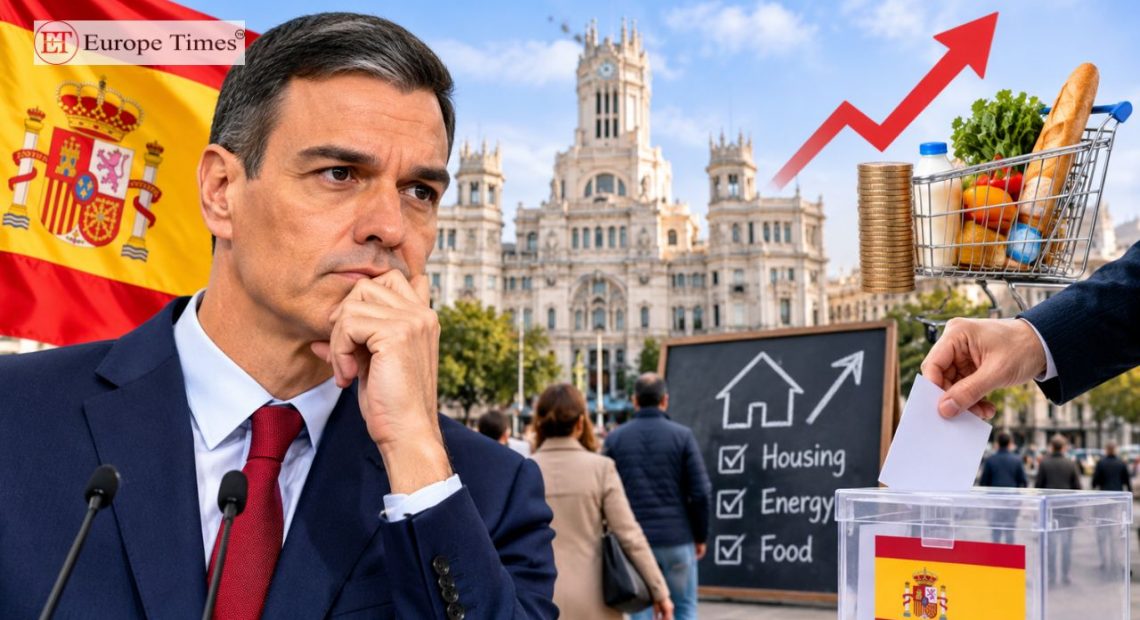
Spain’s economy has delivered strong growth under Prime Minister Pedro Sanchez, with rising employment, higher wages for many workers and a narrowing budget deficit. However, many voters say they are struggling to feel the benefits in their daily lives as rising housing, energy and food costs continue to erode household purchasing power. The gap between positive economic figures and everyday financial pressures could become a major challenge for Sanchez ahead of Sunday’s election.
The southwestern region of Extremadura illustrates this divide. Minimum wages have increased by 66% and salaries for state employees by more than 20%, while labour reforms have helped stabilise incomes in agriculture and tourism. Yet small businesses are facing higher operating costs, and many households remain concerned about affordability. Inflation reached 4.9% in October, its highest level since February 2023, while average real wages fell by 0.3% between 2019 and 2025, according to a CaixaBank analysis.
The economic frustration is influencing voter sentiment, with opinion polls suggesting that the conservative People’s Party (PP) and far-right Vox could secure a majority. Housing, economic hardship and job quality have emerged as leading voter concerns. Sanchez’s government has defended its economic record, acknowledging that prosperity has not been distributed evenly. Meanwhile, the opposition has promised higher salaries and tax cuts, although questions remain over how these proposals would be implemented.
Pic courtesy: google/ images are subject to copyright