featured News Trending

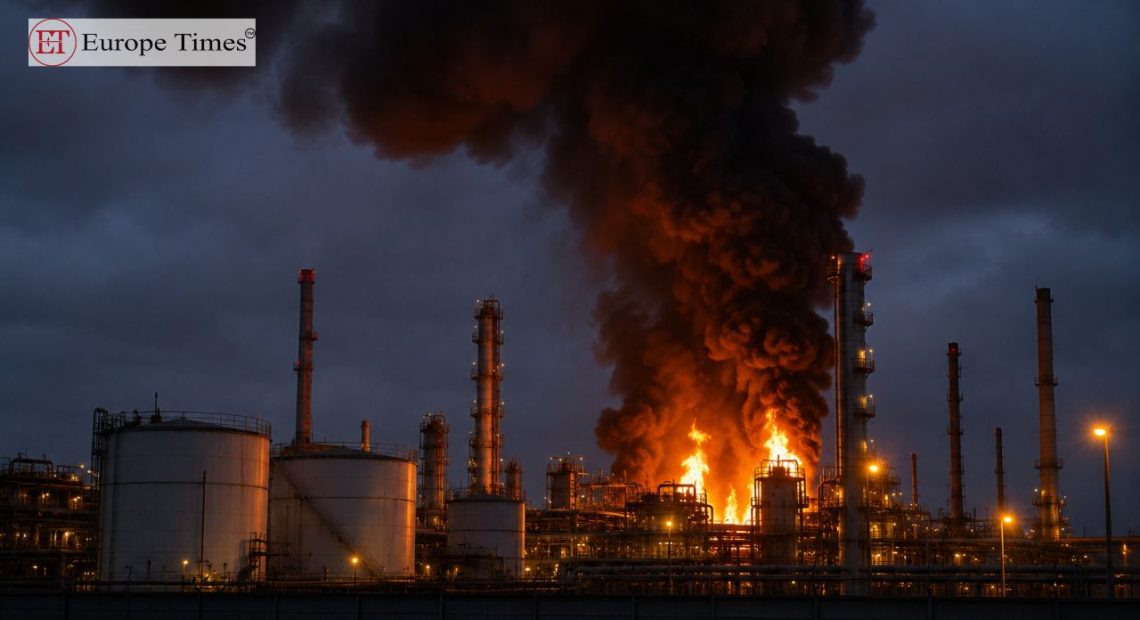
Germany’s private sector activity has contracted for the second consecutive month in May, as the broader economic recovery faces severe headwinds from the ongoing war involving Iran. The HCOB flash Composite Purchasing Managers’ Index (PMI) for Germany, compiled by S&P Global, ticked up marginally to 48.6 from April’s 48.4, slightly beating analyst expectations but firmly remaining below the crucial 50.0 threshold that separates growth from contraction. Economists warn that this persistent downturn puts Europe’s largest economy on a direct course to contract in the second quarter of the year.

The economic slump was primarily driven by the services sector, which registered its second consecutive monthly drop in business activity, although the pace of decline slowed slightly with the sector’s PMI rising to 47.8 from 46.9. Meanwhile, Germany’s manufacturing sector experienced a complete stalling, plummeting to an index reading of 49.9 from 51.4 in April. Experts note that the temporary boost manufacturers previously enjoyed from stockpiling goods to outrun supply shortages and price hikes has effectively fizzled out.

Compounding these sector declines, German businesses are grappling with an intensification of cost pressures and accelerating input price inflation. Disruptions stemming from the effective closure of the crucial Strait of Hormuz continue to impact the economy, triggering supply chain shortages and driving up energy costs. Consequently, firms are reporting a sharp reduction in overall demand, as customers pull back on spending due to squeezed purchasing power and heightened geopolitical uncertainty.

Pic courtesy: google/ images are subject to copyright

featured News Trending

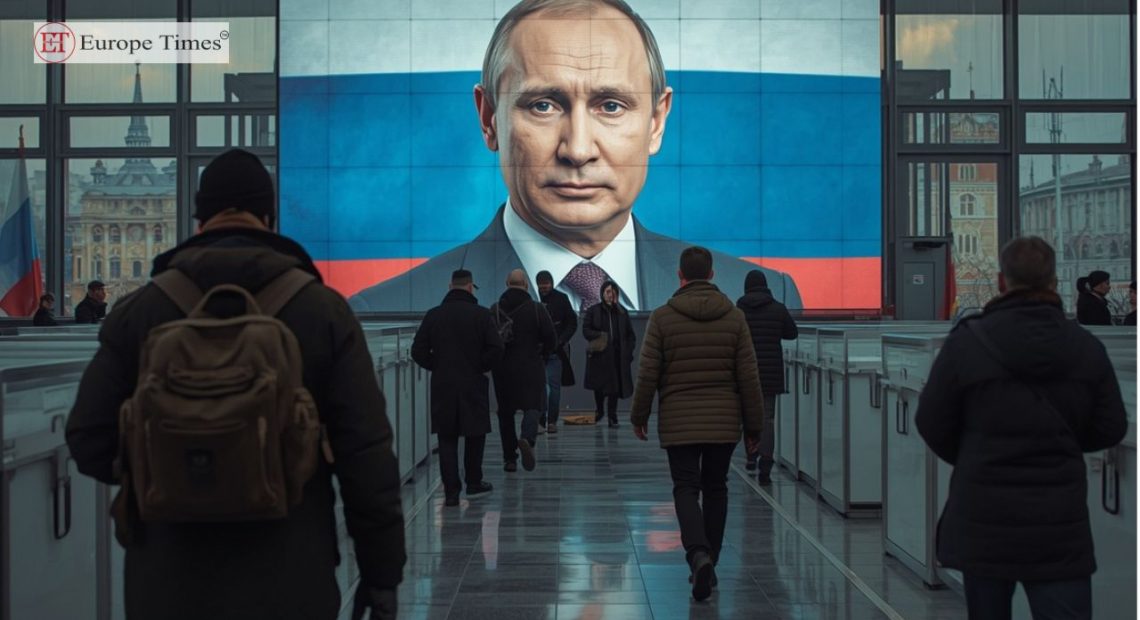
Russia and China have jointly criticized U.S. President Donald Trump over plans for the proposed “Golden Dome” missile-defense system, warning that it threatens global strategic stability. The statement came during a meeting between Chinese President Xi Jinping and Russian President Vladimir Putin in Beijing. The project aims to expand missile interception capabilities through ground-based systems and space-based defense technologies designed to detect and potentially destroy incoming missile threats.

Moscow and Beijing argued that the proposed shield undermines the balance between offensive and defensive nuclear systems, which they say is essential for maintaining global security. The two countries also criticized Washington for allowing the 2010 New START nuclear arms treaty to expire without negotiating a replacement. Russia backed China’s stance against joining future U.S.-Russia nuclear arms control talks, while both nations accused the U.S. of pursuing destabilizing military strategies.

The joint statement also warned against the deployment of intermediate-range missiles and the use of preventive missile strikes aimed at disabling enemy forces before conflict begins. Adding to tensions, Russia released footage of military exercises involving the movement and deployment of nuclear warheads for Iskander-M missile systems across Russia and Belarus. The developments highlight growing geopolitical strains between major global powers over missile defense and nuclear security.

Pic courtesy: google/ images are subject to copyright

featured News Trending

The United Kingdom is set to begin talks to join the European Union’s £78 billion ($105.9 billion) loan programme for Ukraine, signalling closer defence and financial cooperation. Prime Minister Keir Starmer is expected to announce the move at the European Political Community summit in Yerevan, highlighting Britain’s intent to support Ukraine with critical military resources.

The EU-backed loan, approved last month, aims to cover a significant portion of Ukraine’s financial and defence needs over the next two years, with a large share directed toward military spending amid its ongoing war with Russia. The UK government said participation could also open opportunities for British defence firms to contribute to Ukraine’s urgent requirements.

Alongside the funding initiative, Britain plans to introduce further sanctions targeting Russian companies to disrupt military supply chains. The move reflects growing European efforts to strengthen defence cooperation, particularly as the United States urges allies to take greater responsibility for regional security, pushing the UK and EU toward deeper strategic alignment post-Brexit.

Pic courtesy: google/ images are subject to copyright

featured News Trending

Austria has expelled three Russian diplomats over concerns they were involved in signals intelligence activities, citing suspicious satellite installations on diplomatic buildings in Vienna. Authorities flagged an “antenna forest” of satellite dishes, believed capable of intercepting communications, as a potential security threat.

Foreign Minister Beate Meinl-Reisinger said the misuse of diplomatic immunity for espionage was unacceptable, confirming the diplomats had already left the country. The move brings the total number of Russian diplomats expelled by Austria since 2020 to 14. While officials did not disclose detailed intelligence findings, concerns had reportedly been raised for years about the scale and nature of the installations.

Russia has reacted strongly, warning of a firm response. Vienna, home to major international bodies like the International Atomic Energy Agency and the Organization for Security and Co-operation in Europe, has long been known as a hub for diplomatic and intelligence activity due to its dense concentration of foreign missions.

Pic courtesy: google/ images are subject to copyright

featured News Trending

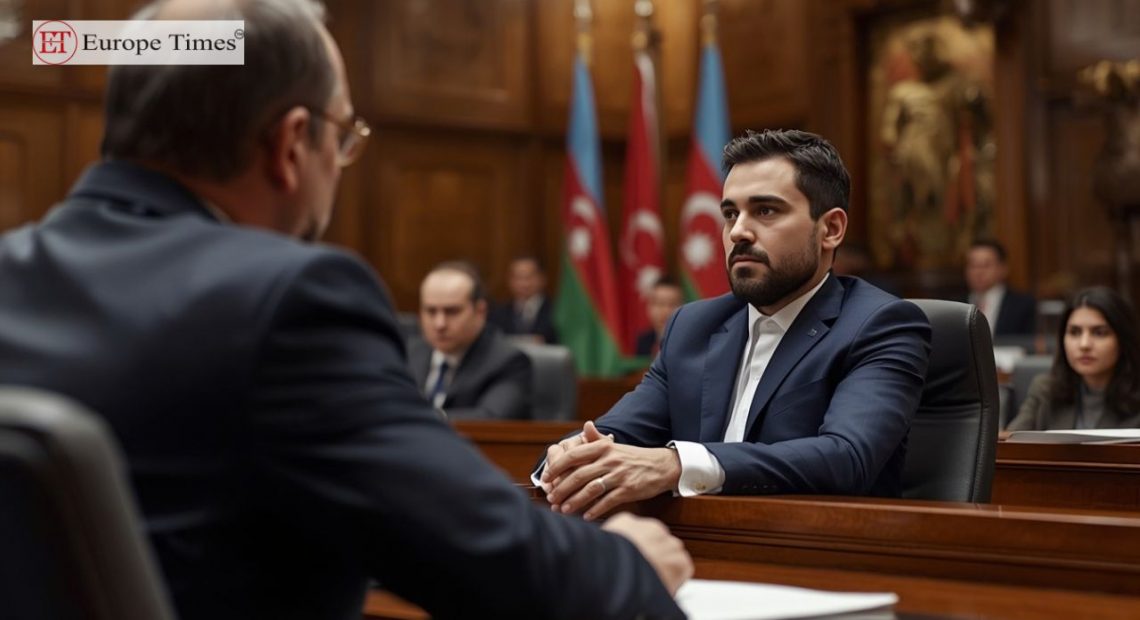
More than 30 European leaders have gathered in Yerevan for back-to-back summits, marking a significant geopolitical shift for Armenia—a country historically aligned with Russia. The meetings, including the European Political Community summit and a landmark EU-Armenia bilateral, signal growing ties between Armenia and Europe despite its longstanding dependence on Moscow for energy and security.

The shift gained momentum after the 2023 conflict with Azerbaijan, when Russia failed to intervene as Azerbaijani forces took control of Nagorno-Karabakh, displacing over 100,000 ethnic Armenians. Disillusioned with Russian-led security arrangements, Armenia has since moved closer to Europe, even initiating steps toward EU membership in 2025. A US-backed peace agreement between Armenia and Azerbaijan has further accelerated regional diplomacy, though tensions remain fragile.

Russia has reacted with visible unease, warning that Armenia cannot simultaneously align with both the EU and its Eurasian Economic Union. Recent actions—including trade restrictions and suspected cyber interference—highlight growing friction. While Europe is offering support through monitoring missions and cooperation, it has stopped short of firm commitments on defence or energy, leaving Armenia to carefully balance its shifting alliances.

Pic courtesy: google/ images are subject to copyright

featured News Trending

China has announced a ban on exports of dual-use items to seven European entities, accusing them of involvement in arms sales to Taiwan. The affected companies include Germany’s Hensoldt AG, Belgium’s FN Browning, and several Czech defence firms, with Beijing placing them on its export control list. China said the move targets organisations that “colluded with Taiwan,” which it considers part of its territory.

The restrictions apply to goods, software, and technologies with both civilian and military uses, such as components used in drones and semiconductors. Beijing stated that all related transfers must stop immediately, though it may grant case-by-case approvals in exceptional situations. China also said it had informed the European Union through its export control dialogue mechanism before announcing the measures.

European and Czech officials have sought clarification, with some companies saying they do not expect major business impacts. The Czech government has instructed its embassy in Beijing to seek explanations, while firms like Excalibur Army said they do not directly rely on Chinese dual-use imports. The move comes amid growing geopolitical tensions over Taiwan, which China claims as its own but which Taiwan’s government rejects.

Pic courtesy: google/ images are subject to copyright

featured News Trending

Finance leaders from the Group of Seven stressed the urgent need to reduce the economic fallout of the ongoing Middle East conflict, warning that a prolonged war could weigh heavily on global growth. Meeting on the sidelines of the International Monetary Fund and World Bank Group spring gatherings in Washington, officials also reaffirmed the importance of working toward a lasting peace.

The conflict was one of the top issues discussed by finance ministers and central bank governors, alongside concerns about securing supply chains for critical minerals. The group highlighted that disruptions from geopolitical tensions could further strain global markets and economic stability if not addressed promptly.

In addition, G7 officials reiterated their commitment to supporting Ukraine amid ongoing Russian aggression. The discussions, led under France’s G7 presidency, underscored a broader effort to manage geopolitical risks while safeguarding the global economy from escalating shocks.

Pic courtesy: google/ images are subject to copyright

featured News Trending

Tensions escalated sharply as Iran warned it would retaliate against Gulf ports following the U.S. military’s decision to impose a naval blockade on vessels linked to Iranian ports. The move comes after talks failed to secure a lasting ceasefire in the ongoing conflict, raising fears of renewed escalation. Tehran called the blockade illegal and warned that if its ports were targeted, no port in the Gulf region would remain safe.

The blockade, enforced across Iranian ports along the Arabian Gulf and Gulf of Oman, has already disrupted global oil flows. Iran has restricted passage through the Strait of Hormuz, allowing only controlled transit, while the U.S. has vowed to block ships paying Iranian tolls. Two Iranian-linked tankers departed just before the blockade began, underscoring the urgency among traders and operators.

Global markets reacted swiftly, with oil prices surging above $100 a barrel amid fears of prolonged supply disruption. With the fragile ceasefire at risk and negotiations stalled, both sides remain entrenched, raising concerns of further economic fallout and instability in global energy markets.

Pic courtesy: google/ images are subject to copyright

featured News Trending

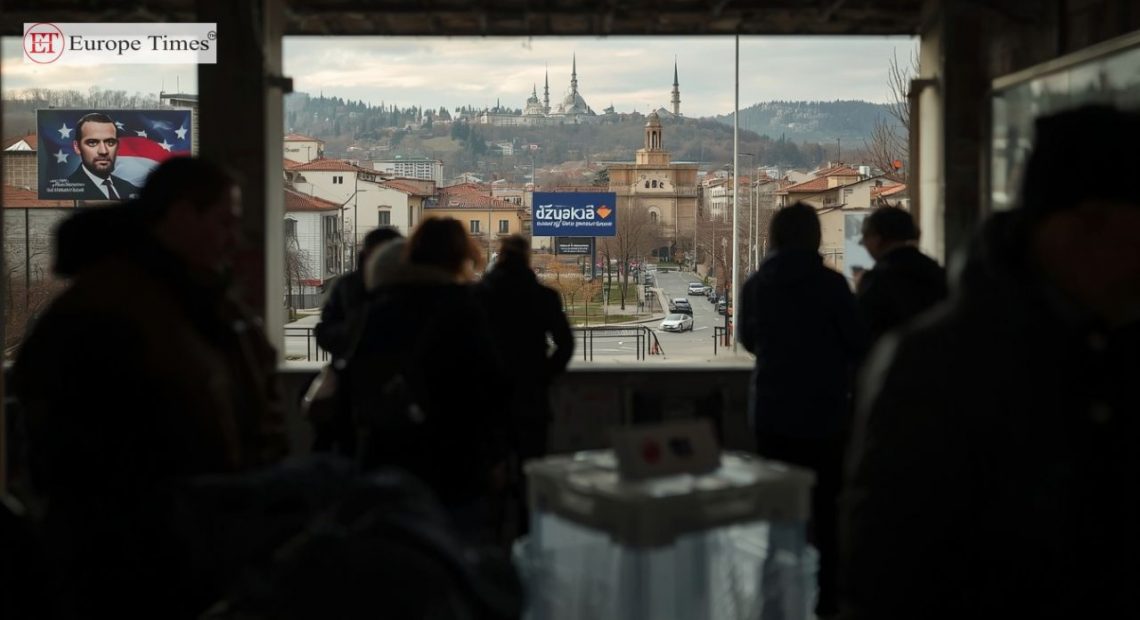
Andrej Babiš has voiced strong support for Viktor Orbán ahead of Hungary’s parliamentary election, calling him the best choice for stability and national interests during uncertain times. Babiš praised Orbán’s stance on sovereignty and competitiveness, emphasizing the importance of experienced leadership amid ongoing geopolitical tensions.

Opinion polls suggest Orbán, who has led Hungary for over 16 years, faces a serious challenge from opposition leader Péter Magyar. Orbán’s tenure has been marked by frequent clashes with the European Union and relatively closer ties with Russia, making the upcoming election a significant political moment for the region.

Since returning to power, Babiš has aligned more closely with Orbán in European politics, including within their shared parliamentary grouping. His government has reduced support for Ukraine and taken positions that diverge from broader EU policies, while proposing reforms critics say could mirror Hungary’s approach to governance. Despite this, the Czech Republic continues to maintain a comparatively moderate stance on Russia.

Pic courtesy: google/ images are subject to copyright

featured News Trending

Al Carns has said Ukraine could play a significant role in securing the strategically vital Strait of Hormuz, highlighting Kyiv’s advanced drone capabilities developed during its ongoing war. The UK has been leading talks with over 30 nations to address disruptions caused by tensions involving Iran, which have impacted global oil supplies.

Volodymyr Zelenskyy confirmed that Ukraine has already contributed expertise to international consultations and deployed more than 200 specialists to the Middle East. These teams have reportedly helped counter long-range drone threats, showcasing Ukraine’s battlefield innovations. Carns emphasized that such capabilities could be valuable not just regionally but also in safeguarding key global shipping routes.

While reaffirming that Ukraine remains a top defence priority for the UK and its allies, Carns urged Kyiv to expand exports of its military technology to capitalize on rising global demand. He noted that Ukraine’s advancements in drones, AI, and data-driven warfare represent a major shift in modern combat, though delays in export approvals could risk losing momentum as other nations begin catching up.

Pic courtesy: google/ images are subject to copyright