featured News Trending

A Miami-based Albanian businessman who sold coastal land for a luxury resort project linked to Jared Kushner is under investigation for allegedly using forged property documents, according to case files reviewed by Reuters. Albanian prosecutors have accused Artur Shehu of money laundering and involvement in drug trafficking networks, allegations he has denied through his lawyer.

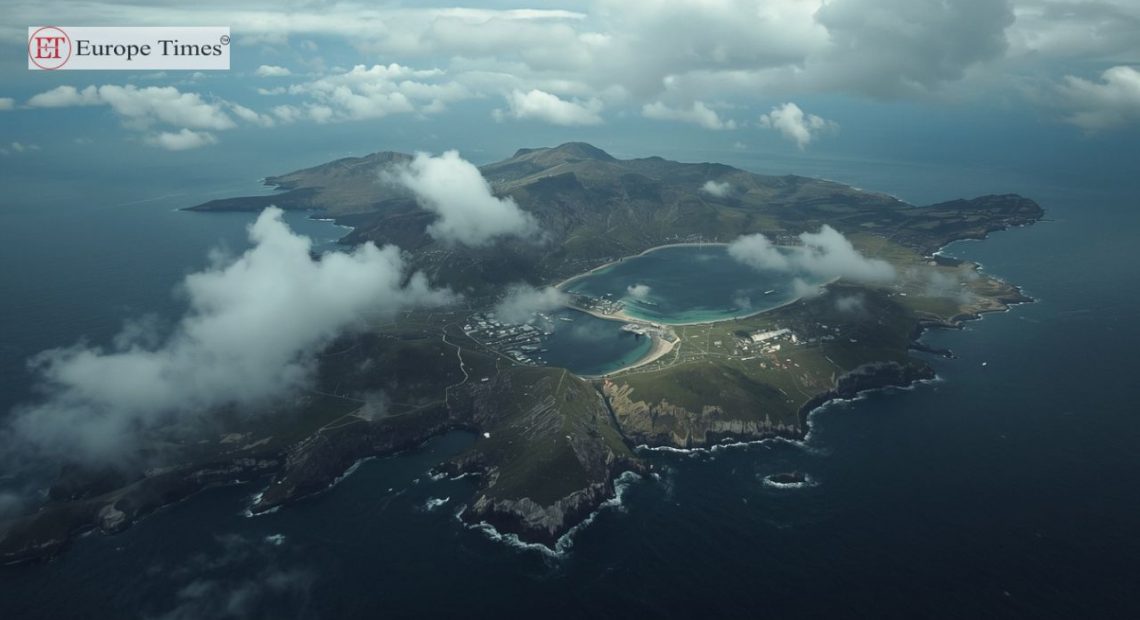
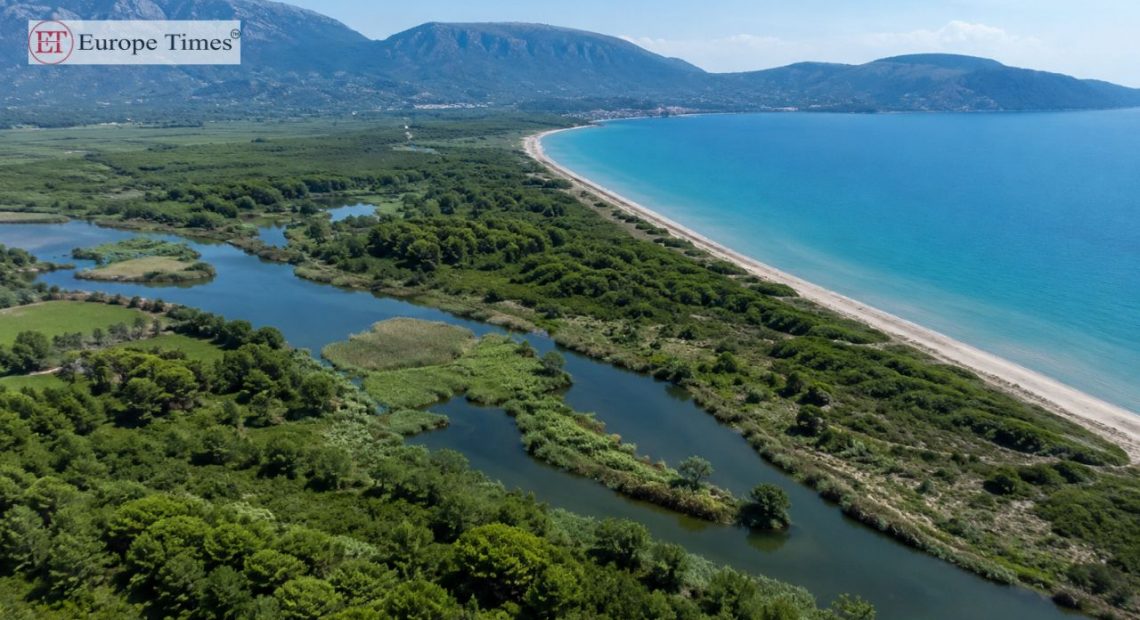
The disputed land, sold for around €110 million to a company connected with the Kushner-backed Sazan Real Estate Development project, is located along Albania’s protected Vjosa-Narta coastline. Prosecutors have frozen the sale proceeds in a notary account, while investigators allege the property was acquired through falsified ownership documents. The investigation does not accuse Kushner, the resort developers, or investors of any wrongdoing.

The planned resort has already faced opposition from local residents and environmental groups concerned about the impact on protected wetlands and wildlife, including flamingos and sea turtles. While Albania’s government supports the project, claiming it follows legal and environmental rules, critics continue to challenge the ownership claims and have sought court action to stop the development.

Pic courtesy: google/ images are subject to copyright

featured News Trending

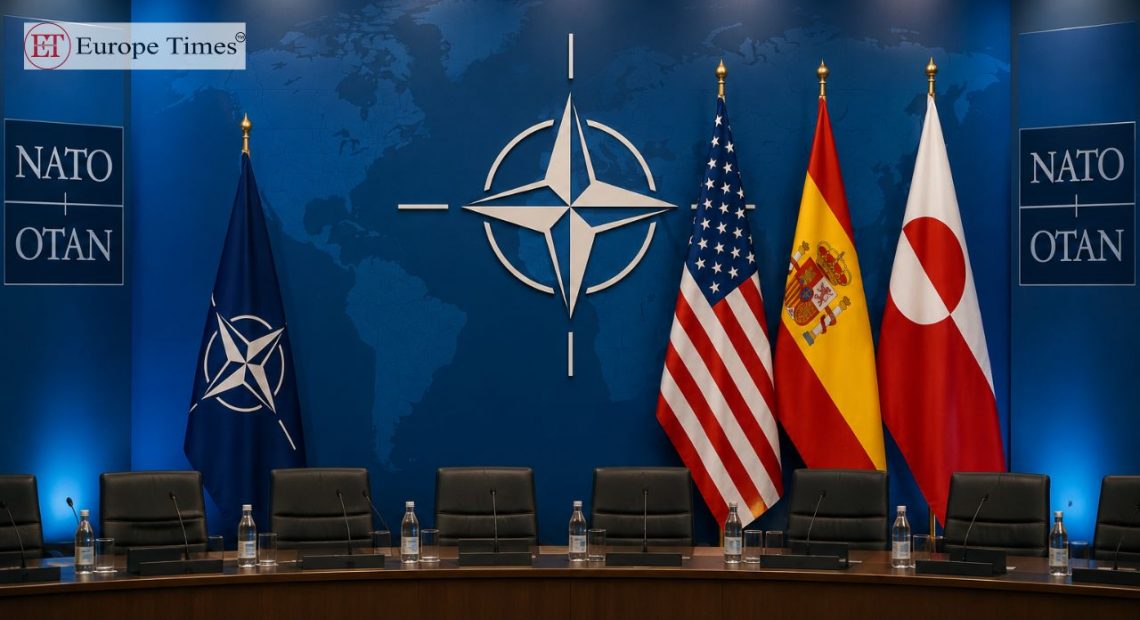
U.S. President Donald Trump sharply criticized Spain during the NATO summit, calling it a “wasted cause” and a “terrible partner in NATO” while threatening to cut trade ties with the country. Trump accused Spain of failing to meet NATO’s defence spending expectations and expressed frustration over Madrid’s refusal to allow greater U.S. military use of its bases during operations linked to the Iran conflict.

Spanish Prime Minister Pedro Sánchez dismissed the remarks, saying his conversation with Trump at the summit was friendly and focused on topics such as the FIFA World Cup. Spanish officials stressed that relations with the United States remain strong, while the European Union backed Spain, describing EU-U.S. trade as mutually beneficial and pledging to protect the interests of all member states.

Trump also renewed his claim that the United States should acquire Greenland, arguing the Arctic territory is vital for U.S. security. Denmark and Greenland once again rejected the idea, insisting Greenland is not for sale. Despite the disagreements, all 32 NATO members reaffirmed their commitment to the alliance’s collective defence principle, with NATO Secretary General Mark Rutte describing the summit as a success.

Pic courtesy: google/ images are subject to copyright

featured News Trending

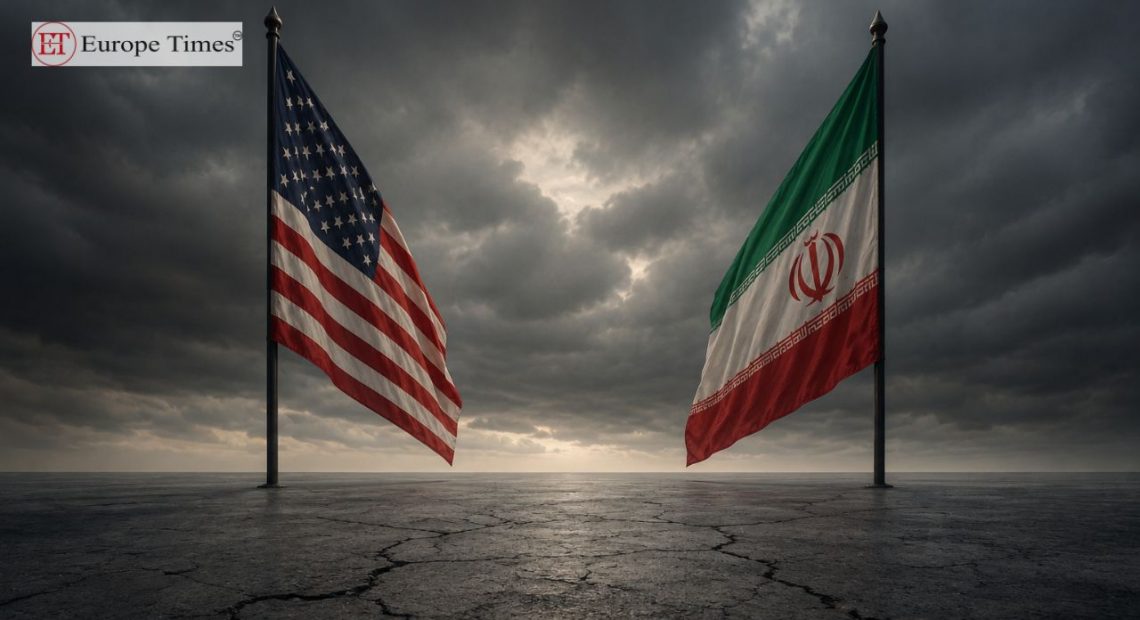
Donald Trump has declared that the interim agreement between the United States and Iran aimed at ending their conflict is “over.” Speaking ahead of the NATO summit in Ankara, Trump said he no longer wished to engage with Tehran, following the collapse of indirect negotiations and renewed U.S. military strikes against Iran.

The temporary agreement, brokered by Pakistan, had created a 60-day window for talks on a permanent peace deal. However, negotiations held in Qatar failed to produce progress, and tensions escalated after the United States launched fresh strikes on Iranian targets earlier this week.

The U.S. also revoked a license that had temporarily allowed Iran to sell crude oil and petroleum products. The Treasury Department has given Iran until July 17 to wind down transactions previously permitted under the agreement, marking another step in the worsening relations between Washington and Tehran.

Pic courtesy: google/ images are subject to copyright

featured News Trending

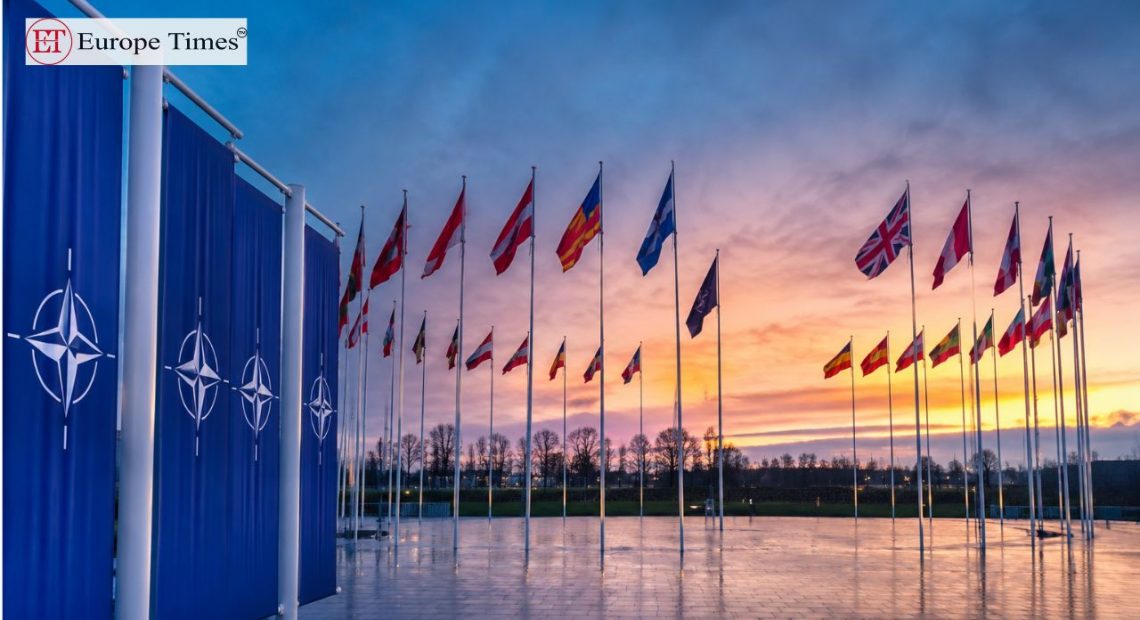
NATO leaders will gather in Ankara next week for a high-stakes summit aimed at reinforcing alliance unity despite growing tensions with U.S. President Donald Trump. European members are expected to highlight increased defence spending and stronger military capabilities as Washington scales back parts of its military commitment to Europe. NATO Secretary General Mark Rutte said the summit will focus on turning higher defence budgets into combat-ready forces and expanding the alliance’s defence industry.

The meeting is also expected to reaffirm NATO’s support for Ukraine, with leaders pledging continued military assistance in its war against Russia. Ukrainian President Volodymyr Zelenskiy will attend a dinner hosted by Turkish President Recep Tayyip Erdoğan, who is also scheduled to hold bilateral talks with Trump. European leaders hope the personal ties between Trump, Erdoğan and Rutte will help keep discussions constructive despite recent disagreements.

The summit comes after months of strain within the alliance, including disputes over the Iran conflict, Trump’s criticism of NATO spending, and U.S. troop reductions in Europe. European officials remain concerned that renewed tensions or developments in the Middle East could overshadow the gathering. Even so, NATO diplomats say leaders recognise the importance of presenting a united front and maintaining the alliance’s collective security commitments.

Pic courtesy: google/ images are subject to copyright

featured News Trending

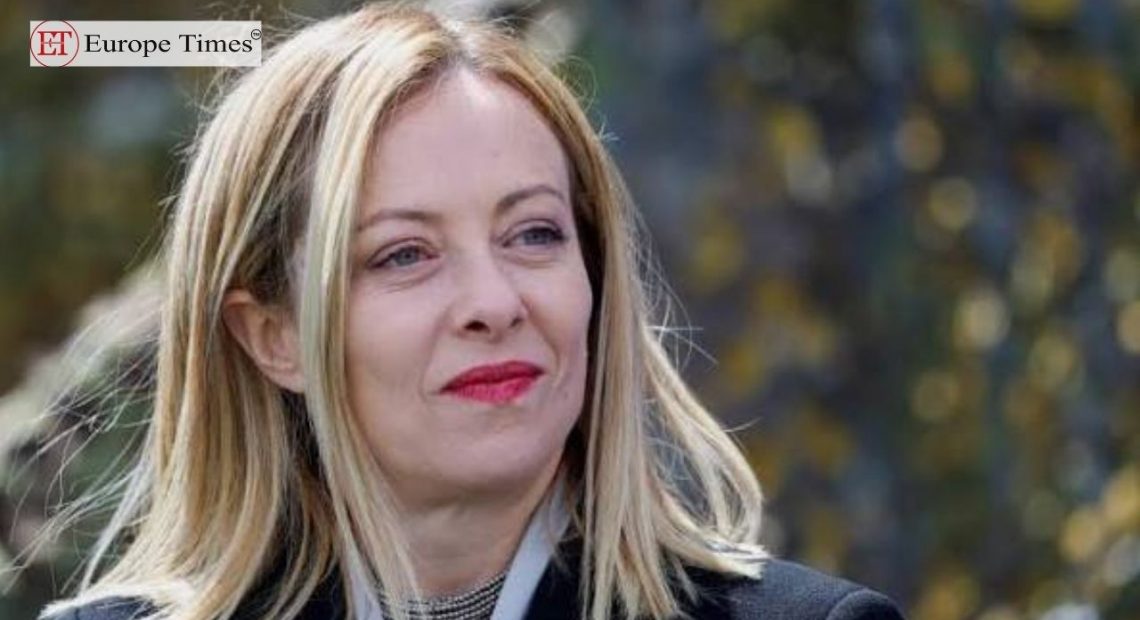
Italian Prime Minister Giorgia Meloni has fiercely accused U.S. President Donald Trump of fabricating a story after he claimed she “begged” him for a photograph at the recent G7 summit in France. Trump told Italy’s La7 TV channel that Meloni desperately wanted a picture with him and that he only complied because he “felt sorry for her.” Meloni expressed her astonishment at the remarks, stating they were “completely made up” and firmly declaring that neither she nor Italy ever begs. She further chided the U.S. President for showing “far greater indulgence” toward the enemies of the West than toward long-standing international allies.

The public verbal dispute has triggered an immediate and severe diplomatic backlash from Rome, signaling a sharp deterioration in ties between the two right-wing leaders. Underscoring the Italian government’s fury, Foreign Minister Antonio Tajani announced the immediate cancellation of his scheduled official visit to the United States next week, labeling Trump’s comments “serious and offensive” to the entire nation of Italy. This abrupt fallout comes just days after the G7 summit in Evian-les-Bains, where video footage of the two leaders conversing cordially on a sofa suggested they had stabilized a relationship previously strained by disagreements over the ongoing conflict with Iran.

The rhetoric from Meloni’s inner circle has reached unprecedented levels of hostility for the usually close allies. Giovanbattista Fazzolari, undersecretary to the prime minister’s office, released a scathing statement accusing Trump of “wrecking the historic relations between the United States and Europe” through either intent or ineptitude. The current hostility marks a dramatic shift for Meloni, who was notably the only European leader to attend Trump’s inauguration in 2025, but whose relationship with the administration has crumbled following public disagreements over the papacy and the geopolitical handling of the West Asia conflict.

Pic courtesy: google/ images are subject to copyright

featured News Trending

South Korean President Lee Jae-myung said he made significant progress on discussions about peace on the Korean Peninsula during a lengthy conversation with U.S. President Donald Trump at the G7 Summit in France. Lee described their 90-minute dinner discussion as productive, focusing on regional security and South Korea-U.S. relations.

Following the talks, Trump gifted Lee the pen he had used to sign documents at the summit, a gesture Lee said mirrored an earlier meeting where Trump received one of his pens. Trump also repeatedly suggested a future golf outing with Lee and First Lady Kim Hea Kyung, with the South Korean leader joking that he may now need to prepare for the game.

The two leaders also discussed cooperation in areas such as shipbuilding and reaffirmed the importance of trilateral collaboration between South Korea, the United States, and Japan. During the summit, Lee urged Trump to take a leading role in pursuing a peaceful resolution to tensions with North Korea, while Trump reportedly praised Lee as a “strong leader.”

Pic courtesy: google/ images are subject to copyright

featured News Trending

At the G7 summit in Evian-les-Bains, France, European leaders are preparing to confront U.S. President Donald Trump over his preliminary peace deal with Iran and his current strategy regarding the war in Ukraine. While Trump arrived buoyed by an interim agreement aimed at ending the broader Middle East conflict—with a formal signing targeted for Friday—European allies fear the deal is superficial. They warn that a weak agreement risks entrenching Tehran’s nuclear and ballistic missile programs, and France, Britain, and Germany are pushing for a direct role in the upcoming 60-day negotiation window to ensure a more robust framework than what an inexperienced U.S. team might secure.

Concurrently, the summit serves as a critical battleground for reshaping the Russia-Ukraine diplomatic narrative. European diplomats are attempting to convince Trump that past U.S. peace proposals have leaned too heavily in Moscow’s favor. Leaders like European Commission President Ursula von der Leyen emphasized that Ukraine has strengthened its domestic military production and successfully struck strategic targets deep inside Russia, arguing that Vladimir Putin’s war economy is highly strained under sanctions. European nations want to signal an openness to talks with Putin, but insist that stricter sanctions and increased military support for Kyiv must remain on the table to show that Moscow is the party blocking peace.

The security of global energy supplies is also a dominant focus of the summit’s agenda, particularly regarding the safe reopening of the Strait of Hormuz. French President Emmanuel Macron announced that European leaders, alongside representatives from the UAE, Qatar, and Egypt, will discuss a potential Franco-British-led maritime mission and alternative energy routes to bypass the volatile waterway. While Trump confidently stated that the strait would be “completely open” by Friday, European policymakers remain cautious, balancing their immediate energy security anxieties against Ukrainian President Volodymyr Zelenskiy’s concerns that the Middle East crisis is dangerously diverting American attention and resources away from the four-year war in Europe.

Pic courtesy: google/ images are subject to copyright

featured News Trending

French wine and spirits exporters expressed deep concern on Monday following U.S. President Donald Trump’s latest threat to impose 100% tariffs on all French wines and champagnes. The Federation of Wine and Spirits Exporters (FEVS) stated that the escalating friction is incredibly damaging for a highly export-dependent sector that finds itself trapped in a political dispute entirely beyond its control. The trade group has urgently called for “responsible behavior” and the restoration of constructive transatlantic trade ties to protect businesses in both economies.

The punitive measures are being brandished as a direct retaliatory strike against Paris’s domestic fiscal policies. President Trump warned that the United States would have no choice but to implement the sweeping duties unless France completely scraps its 3% digital services tax, which targets major American technology conglomerates. This ultimatum is part of an ongoing effort to pressure European governments out of imposing specialized levies on digital revenues generated within their borders.

This development marks yet another volatile chapter in a series of recurring economic disputes between Washington and Brussels. President Trump has previously threatened even higher penalties, including a 200% tariff on European Union alcohol imports during separate trade disputes in both early 2026 and early 2025. With the U.S. remaining a critical market for premium French agricultural goods, local producers fear that a prolonged standoff will severely damage their global competitive edge.

Pic courtesy: google/ images are subject to copyright

featured News Trending

France is preparing to host the G7 Summit in Evian-les-Bains from June 15–17, with the conflicts in Iran and Ukraine expected to dominate discussions. French President Emmanuel Macron has crafted a carefully balanced agenda aimed at maintaining unity among G7 leaders and avoiding tensions with U.S. President Donald Trump. Leaders from Gulf nations, including Saudi Arabia, the UAE, Qatar, and Egypt, have also been invited due to their involvement in regional security and mediation efforts.

A key focus will be the fragile U.S.-Iran ceasefire and ongoing diplomatic efforts to prevent further escalation in the Middle East. Diplomats believe the atmosphere of the summit could depend heavily on whether Washington secures progress with Tehran before the meeting. At the same time, Ukrainian President Volodymyr Zelenskiy is expected to push for stronger Western support as negotiations with Russia remain stalled and Ukraine intensifies drone attacks on Russian military and energy targets.

Beyond security concerns, G7 leaders will discuss economic challenges such as critical mineral supply chains, global trade imbalances, and reducing dependence on China. France has also encouraged broader discussions involving countries such as India, Brazil, Kenya, and South Korea. Rather than issuing a broad final communiqué, the summit is expected to produce targeted agreements on issues including critical minerals, migration, and international security cooperation.

Pic courtesy: google/ images are subject to copyright

featured News Trending

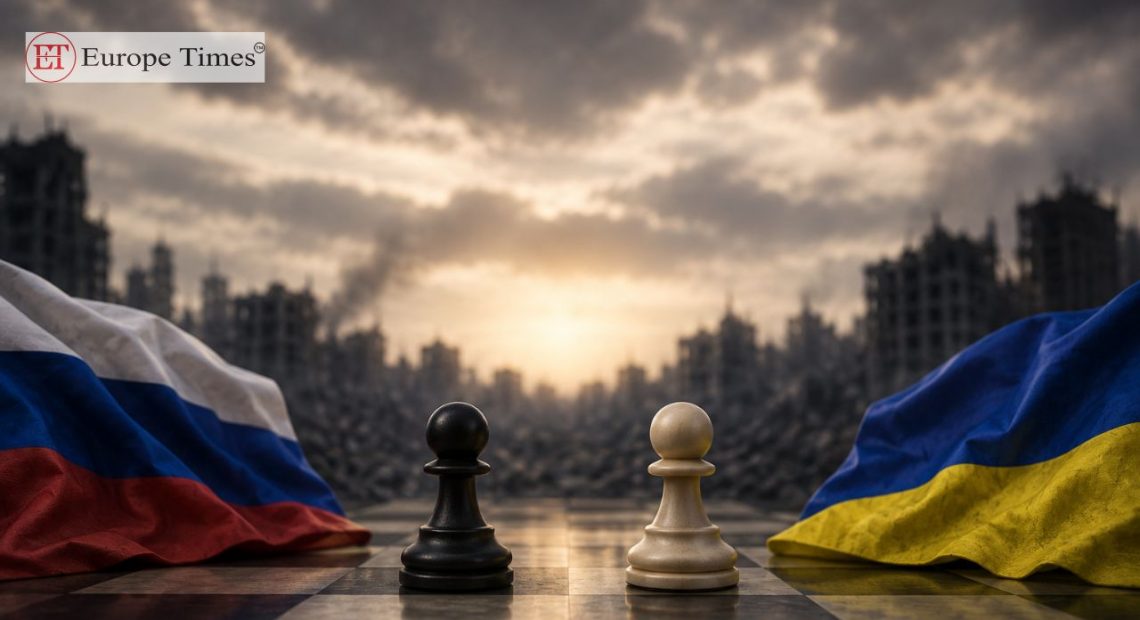
The Kremlin said there are currently no plans for a phone conversation between Russian President Vladimir Putin and U.S. President Donald Trump. Kremlin spokesperson Dmitry Peskov stated that while direct mediation efforts on the Ukraine conflict remain paused, U.S. envoys Steve Witkoff and Jared Kushner continue to maintain communication with both Moscow and Kyiv.

According to Peskov, discussions between Russia and American negotiators are ongoing through existing channels, although no dates have been set for a possible visit by Witkoff and Kushner to Russia. Their earlier mediation efforts had stalled in February amid broader geopolitical tensions linked to military action against Iran.

The comments came after Ukrainian President Volodymyr Zelenskyy described a recent conversation with Witkoff and Kushner as positive and expressed optimism about renewed peace efforts. Peskov also dismissed the prospect of European mediation, arguing that European leaders are more focused on supporting the continuation of the conflict rather than advancing peace negotiations.

Pic courtesy: google/ images are subject to copyright