featured News Trending

Tourism in Spain has surged to record levels, with foreign arrivals reaching about 97 million in 2025 and expectations of hitting 100 million in 2026. Popular destinations like Benidorm have fully rebounded after the pandemic, with visitor numbers far exceeding local populations during peak seasons. Industry leaders say part of the recent boost comes from global instability, as some travelers avoid Middle Eastern and eastern Mediterranean destinations in favor of Spain.

Experts note that geopolitical tensions and conflicts in the Middle East have redirected tourist flows, making Spain a perceived safer alternative to places like Turkey, Egypt, and Dubai. While Spain benefits from this shift, destinations such as Dubai have reportedly seen sharp declines in passenger and booking numbers. Tourism already contributes around 13% of Spain’s GDP, making the sector crucial to its economic growth.

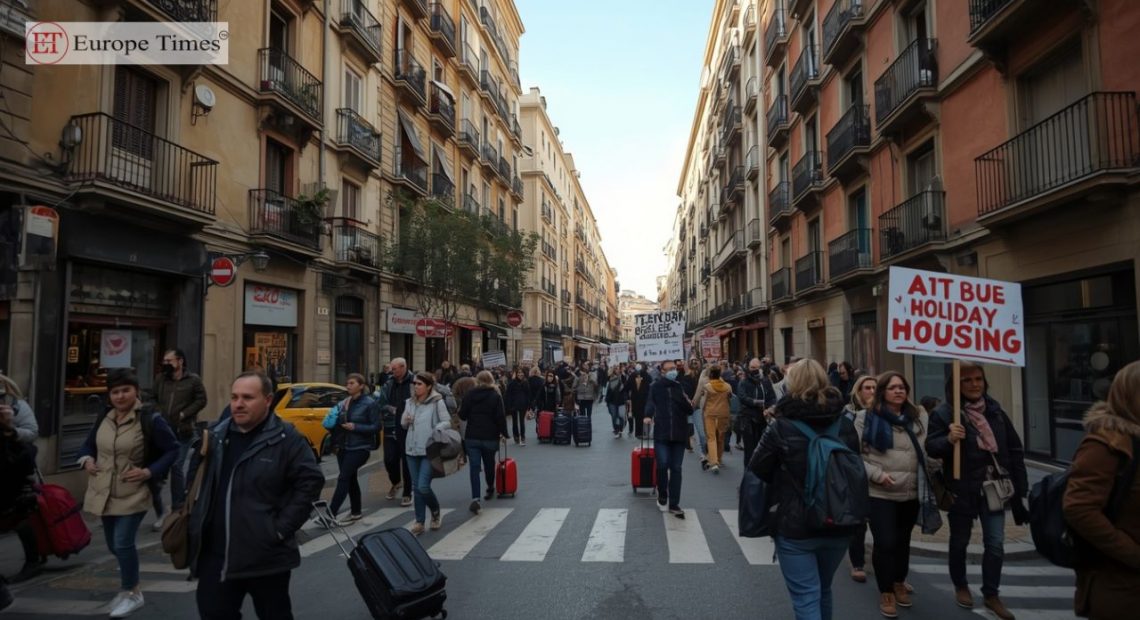
However, the boom has intensified domestic tensions over over-tourism. Cities like Barcelona are facing protests from residents concerned about rising rents, housing shortages, congestion, and environmental pressure, often linked to short-term rentals. Authorities have begun tightening regulations on Airbnb-style accommodation and increasing tourist taxes, but industry leaders warn that balancing growth with livability remains a major challenge.

Pic courtesy: google/ images are subject to copyright

featured News Trending

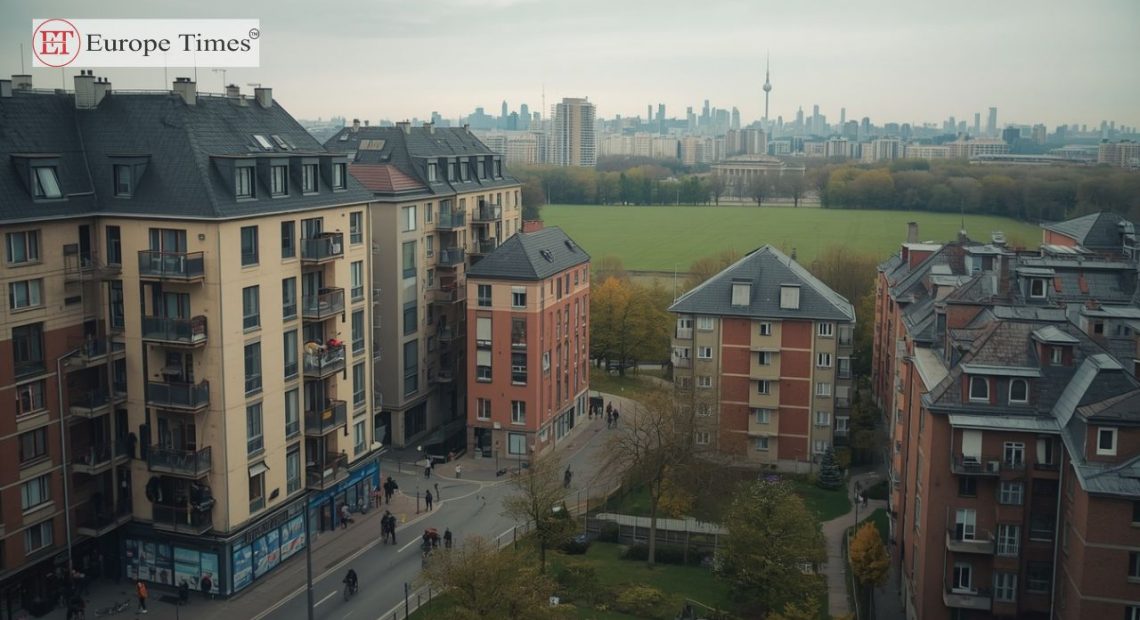
Rising housing costs and growing pressure on public infrastructure in parts of Switzerland are strengthening support for a national referendum aimed at limiting population growth. Residents in the village of Knonau, near the prosperous canton of Zug, say rapid expansion driven by economic growth and immigration has transformed the area and strained local services. Switzerland will vote on June 14 on a proposal backed by the right-wing Swiss People’s Party to cap the country’s population at 10 million before 2050.

Supporters of the initiative argue Switzerland is becoming overcrowded and that immigration levels are unsustainable. The country’s population has already exceeded 9 million, with more than one in four residents being foreign nationals, most from European countries. Critics, including the Swiss government and business groups, warn the proposal could damage Switzerland’s economic ties with the European Union by threatening freedom of movement agreements that support access to the European single market.

The debate has intensified in Zug, one of Switzerland’s wealthiest regions, where low taxes have attracted global businesses and wealthy residents, pushing property prices sharply higher. Real estate costs in the town of Zug now exceed those in cities such as Geneva, according to property consultants. While some locals blame population growth for soaring housing prices, opponents of the initiative say restricting immigration could hurt businesses and worsen labour shortages in the long run.

Pic courtesy: google/ images are subject to copyright

featured News Trending

Spain’s government will introduce tougher rental rules in the coming weeks, including caps on room rents and stricter limits on seasonal leases, as it tries to rein in soaring housing costs. Prime Minister Pedro Sánchez said the new decree will deepen state intervention in the rental market, which has come under strain from a severe housing shortage and a booming tourism sector.

The plan includes a 100% income tax rebate for landlords who renew leases without increasing rents, alongside rent controls in areas classified as under heavy pressure. It will also limit the total rent charged for individual rooms so it cannot exceed the price of renting a whole apartment, a move aimed at stopping landlords from inflating prices through shared housing.

Seasonal rental contracts will face tighter conditions and penalties if they are used to replace long-term leases, a practice critics say worsens housing insecurity. While regions will be responsible for enforcing most of the measures, some, such as Catalonia and major cities like Madrid, have already begun imposing similar limits as Spain grapples with a housing deficit estimated at about half a million homes.

Pic courtesy: google/ images are subject to copyright

News Trending

The mayor of Barcelona, Jaume Collboni, has announced plans to phase out short-term tourist rentals in the city within five years. He stated that no renewals will be granted for the 10,101 tourist licenses currently in place when they expire by November 2028. These apartments, commonly listed on platforms like Airbnb, will instead be reserved for local residents.

Collboni argued that this measure, equivalent to creating 10,000 new homes, aims to address skyrocketing rents, which have risen by 70% over the past decade, making housing unaffordable. Barcelona faces a housing shortage exacerbated by high tourism rates and its emergence as a tech hub, without sufficient new construction to meet demand, thereby inflating prices.

While some politicians and groups support the move as a way to alleviate housing pressure, others criticize it for infringing on property rights and argue that waiting until 2028 is too long for residents facing immediate displacement. Right-wing critics likened the policy to property expropriation seen in regimes like Venezuela’s, while tourist apartment associations claimed it would drive illegal rentals.

The debate reflects broader tensions in Spain over the impacts of mass tourism on local communities and housing affordability.

Picture Courtesy: Google/images are subject to copyright

News Trending

Protests are set to erupt across the Canary Islands this Saturday, with demonstrators calling for a reevaluation of the region’s tourism industry and a halt to the influx of tourists. The movement, named “Canarias tiene un límite” (The Canaries have a limit), is supported by various environmental organizations such as Greenpeace, WWF, and Friends of the Earth.

The protests are fueled by concerns that the current tourism model, which has been in place for decades, is financially burdensome and environmentally unsustainable for locals. Víctor Martín, a spokesperson for the coordinating collective “Canarias se Agota” (The Canaries Have Had Enough), highlighted the strain on resources and the rise in poverty and social exclusion among locals.

Martín emphasized that the focus on tourism persists despite challenges like water scarcity and housing crises. He noted that low wages and high living costs exacerbate the situation, leaving many workers struggling to make ends meet. Martín stressed that the issue lies with the tourism model itself and not with the tourists, many of whom are warmly welcomed by locals.

The protestors demand an immediate halt to large-scale luxury developments and a reassessment of tourism’s impact on the islands. They call for a comprehensive study to determine the carrying capacity of each island and advocate for a transition towards sustainable tourism practices. Martín believes that addressing these issues could position the Canary Islands as a global example of sustainable tourism development.

In response, Fernando Clavijo, the regional president, stated that the government is already taking steps to address the concerns. He acknowledged the need for refinement in the tourism model but defended its overall success.

Overtourism has become a pressing issue not only in the Canary Islands but also in various Spanish cities and regions, prompting protests and discussions on sustainable tourism management.

Picture Courtesy: Google/images are subject to copyright