International Trade News

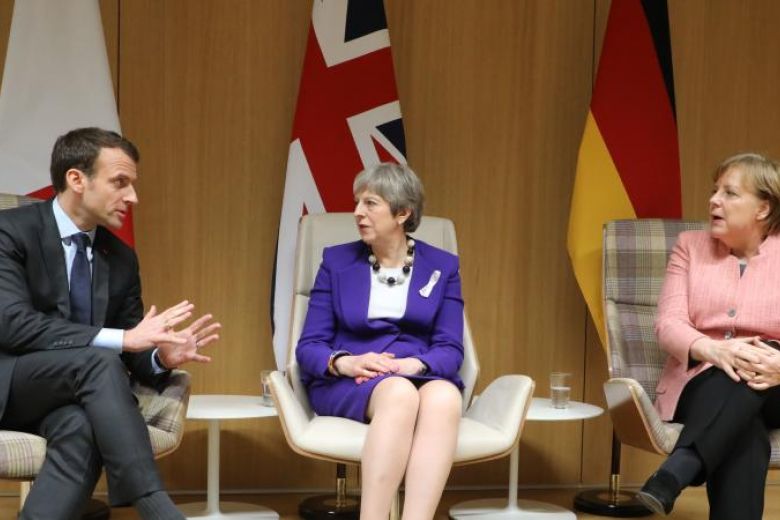
The three major western powers, such as Germany, the UK and France, have established a new payment channel to evade the United States’ economic sanction on the Middle Eastern country of Iran.

The new payment channel, the Instrument for Supporting Trade Exchanges (INSTEX), shares no links with the US-linked payment channels the west presently uses widely.

It is this detachment from the popular payment channels that helps the new channel evade the sanction imposed by the US on Iran.

Iran is one of the most important trading partners of the three major European powers. The countries see the Shia-dominated nation not only as a source of cheap oil but also as a potential market for their goods and services.

It was the US’ belief that Iran involved in the destabilisation of some of its prime allies in the region such as Israel and Saudi Arabia that promoted the world’s most powerful country to impose an economic sanction against the Arab country.

The three important western countries were not in the favour of the sanction. It even urged the US to withdraw the sanction.

The latest move is capable to provoke the US. The US’ present regime is already unhappy with the European powers’ attitude against its long standing demand that the European countries should step up their defence spending to pay justice to their financial obligation to the NATO force.

Vignesh. S. G
Photo Courtesy: Google/ images are subject to copyright

News Politics

From Italy and Spain to the Brexit-affected UK, many European countries have already succumbed to the destructive wave of populism. The economic principle of protectionism, which has come as a part and parcel of the political ideology of modern populism, has clandestinely infiltrated into the economic structure of the populism-affected countries, weakening their present economic structure rooted in the economic principle of liberalism.

Definitely, the European Union is worried about this development. It has almost lost one of its arms to this development. It may not sustain another loss.

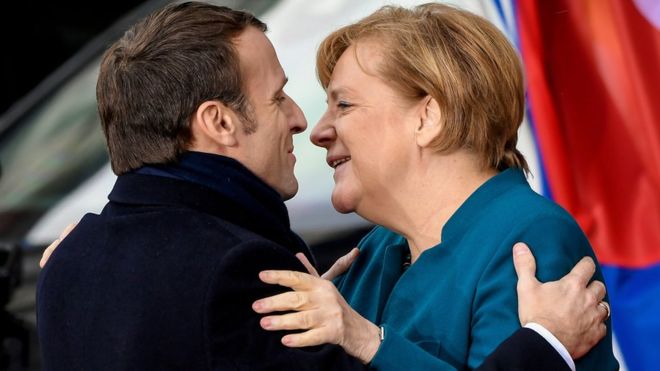
It is in this backdrop that Germany and France have come together to act. The role they play is the role of a defender, the defender of an economic structure which once gifted life breadth to the embattled European continent.

The latest agreement both has signed means that henceforth Germany and France will not think differently in their internal and external security, economic and political affairs.

Their decision to develop a European army is capable to irritate many, especially the United States and the United Kingdom. To them, the more irritating one will not be the agreement for economic corporation, political corporation and/or defence corporate, but the understanding for cultural corporation.

It is noteworthy that the measures for the increased cultural corporation has been doubled by Germans and France at the time many of their friends are researching on how to segregate people on the basis of culture.

The developments indicate that the France-Germany agreement attempts to launch attacks on the concepts of protectionism and populism from all the four fronts –political, economic, security and cultural- on which these dangerous concepts are pivoted.

Will the new European defenders of liberalism win? How better they execute their plan decides what answer the aforesaid question deserves.

Vignesh. S. G
Photo Courtesy: Google/ images are subject to copyright