The Making of an Entrepreneur: Jijin Jimmichan’s Journey

How a young dream from Palakkayam travelled across continents, found its expression in Indian cuisine, survived a global crisis and evolved into a larger vision for entrepreneurship
Some dreams begin with a business plan.
Others begin with a childhood belief that one day, somehow, something bigger is possible.
For Jijin Jimmichan, it began in a small village called Palakkayam in Kerala’s Palakkad district.
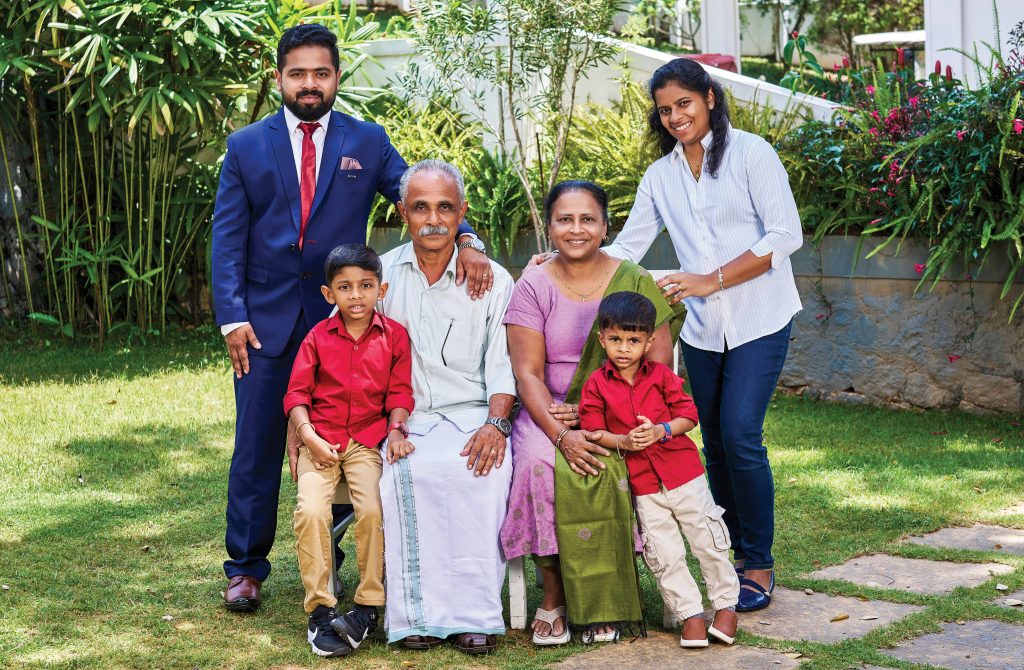
Born on February 20, 1990, Jijin grew up in a world far removed from the international business landscape he would eventually enter. His childhood was simple, shaped by family, familiar faces, and a close-knit community where relationships mattered deeply. Hard work, humility, and strong religious faith were part of everyday life, forming the values that would continue to influence him throughout his journey.
There was no grand entrepreneurial blueprint waiting for him.
There was simply a dream.
From a young age, Jijin wanted to become a businessman. He wanted to build something of his own, create opportunities and prove that an idea backed by determination could become reality.
Today, his journey stretches across hospitality, restaurants, tourism, facility management, retail and sports, connecting Kerala with the United States, the United Arab Emirates and wider international opportunities.
Yet perhaps the most interesting part of Jijin’s story is not how far he has travelled.
It is how his definition of success has changed along the way.
The boy who once dreamed of becoming a businessman now dreams of building a legacy that can create opportunities for others.
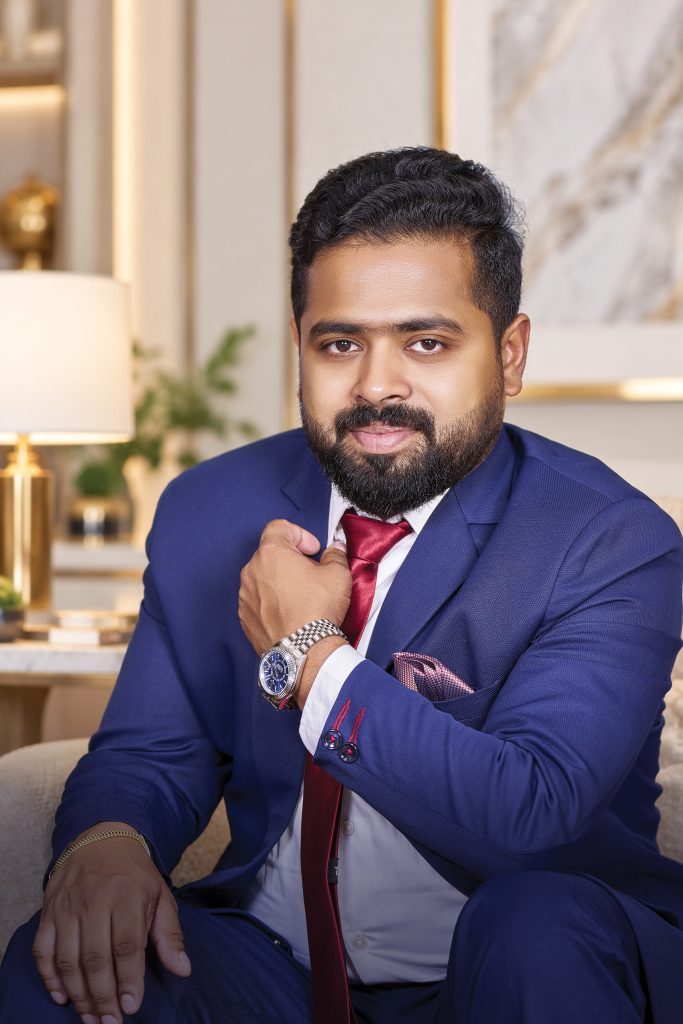
The Roots of a Dream
Long before Jijin Jimmichan entered the world of business, the foundations of his entrepreneurial journey were being shaped in Palakkayam, a small village in Palakkad, Kerala. Growing up in a close-knit community taught him the importance of family, humility, hard work, perseverance and meaningful relationships. It was also during these early years that he developed a strong connection with food and the traditions surrounding it.
Kerala’s cuisine became an important part of his childhood memories. Traditional spices, family meals, seafood, fish and banana-leaf fry preparations and the distinctive flavours of the region were more than everyday food; they were closely connected to his family, village and upbringing. Years later, when he found himself thousands of kilometres away from Kerala, these familiar flavours would become a source of inspiration for his professional journey.
Before turning that connection with food into a business, Jijin chose to understand the world of hospitality. After completing his schooling, he pursued a B.Sc. in Hotel Management and Culinary Services at Yuvakshetra Institute of Management Studies in Palakkad, where he gained knowledge in culinary preparation, hotel management, hospitality operations and customer service.
The experience gave him more than technical knowledge. It shaped his understanding that hospitality goes beyond preparing food or serving guests. At its heart, it is about creating an experience—one that makes people feel welcomed, valued and connected. That understanding would later become an important part of the businesses he went on to build.
When Kerala Met America
After completing his education and training, Jijin moved to the United States in pursuit of greater professional opportunities and international experience. Leaving behind the familiarity of his village in Kerala and stepping into a new country marked a significant turning point in his life. He had to adapt to a different culture, environment and way of doing business, experiences that gradually made him more independent, confident and willing to take risks.
Living away from home also changed the way he looked at his own roots. The food, flavours and traditions that had always been part of everyday life in Kerala began to feel distinctive in a new environment. The spices, seafood, traditional preparations and warmth of Indian hospitality carried a sense of familiarity that he realised could also introduce others to a different side of Indian culture.
Over time, the idea of combining his hospitality education, professional experience and connection to Indian cuisine began to take shape. Jijin wanted to build something of his own—not simply a restaurant, but a business through which he could share the flavours and traditions he had grown up with while creating a welcoming experience for people from different backgrounds.
That vision eventually led him into the restaurant business in 2019, marking the beginning of a new chapter in his entrepreneurial journey and laying the foundation for what would later become Royal Spice Fine Indian Cuisine.
The Royal Spice Story: Royal Spice Fine Indian Cuisine
The creation of Royal Spice Fine Indian Cuisine became one of the defining chapters of Jijin’s entrepreneurial journey.
Jijin shared a deep ambition to create an Indian dining destination that could connect authentic culinary traditions with the diverse American community. He chose Orange, Connecticut, a community enriched by people from different cultural and social backgrounds. To Jijin, that diversity represented an opportunity—a chance to introduce people to the richness of Indian cuisine while creating a space where cultures could come together.
His vision was to create a restaurant where diners could discover Indian food not merely as a cuisine, but as a cultural experience—one that celebrated tradition, flavor, hospitality, and connection.
And the name he chose captured that philosophy.
Royal Spice.
Spices have occupied a special place in India’s history. They shaped culinary traditions, travelled across continents and played an important role in international trade.
For Jijin, spices also represent something personal.They connect his present with the memories of his childhood. They represent the traditions that travelled with him from Kerala to America.
And they embody the idea behind Royal Spice—to preserve the essence of Indian cuisine while presenting it in an environment that feels contemporary, welcoming and memorable.
More Than What’s on the Plate
For Jijin, food has always carried a story. At Royal Spice, some of the dishes closest to his heart are inspired by the flavours he grew up with in Kerala—from fish fries on banana leaves and Malabar-style preparations to the traditional use of aromatic spices. These flavours are closely connected to memories of home, family and the food he experienced during his childhood.
Through Royal Spice, Jijin wanted to bring that sense of Indian culinary diversity to diners in Connecticut. The menu brings together vegetarian and non-vegetarian dishes, seafood, biryanis, breads, curries, North Indian favourites, South Indian influences and traditional Indian desserts, offering guests an opportunity to explore different flavours and regional traditions.
For Jijin, preserving the character of Indian cuisine while making it welcoming to a diverse audience is an important part of the experience. Whether a guest is already familiar with Indian food or is trying it for the first time, the intention is to create a dining experience that feels inviting while offering a genuine taste of the traditions behind the food.
In that sense, Royal Spice is about more than what arrives on the plate. It is about bringing together food, memories, heritage and hospitality, allowing Jijin to share a part of the culture that shaped him with a community thousands of kilometres from where his journey began.
A New Beginning in Orange
The vision took a significant step forward when Royal Spice officially celebrated its grand opening on January 30, 2025. For Jijin, the event marked the beginning of a new chapter and the realisation of an idea they had worked towards for years.
The opening also reflected the restaurant’s growing connection with the local community. What had once been a dormant storefront was transformed into a welcoming space centred around Indian food and hospitality. The Orange Chamber of Commerce recognised the restaurant and its owners, while the opening also received recognition from the Connecticut State General Assembly, adding to the significance of the occasion.
For Jijin, the grand opening was only the beginning. Building a restaurant is an ongoing process shaped by every meal served, every conversation shared and every customer who walks through the door. Through Royal Spice, he continue to build those connections one experience at a time, creating a space where food and hospitality can bring people together.
When the World Stood Still
The entrepreneurial journey, however, had already taught Jijin one of its toughest lessons.
COVID-19.
The pandemic created extraordinary challenges for restaurants and hospitality businesses around the world. Restrictions, uncertainty, changing customer behaviour and operational difficulties placed enormous pressure on the industry.
For an entrepreneur, such a period can fundamentally change the meaning of risk. Jijin faced that uncertainty without abandoning his original ambition. The experience tested his patience and determination, but it also strengthened qualities that would become essential to his later ventures.
Resilience.
Adaptability.
Discipline.
The pandemic taught him that entrepreneurship is not only about knowing how to grow when the economy is favourable. It is about knowing how to continue when circumstances are beyond your control. The crisis became a reminder that setbacks can change a route without necessarily changing the destination.
Beyond Royal Spice
As Jijin’s experience and professional confidence developed, his career interests expanded beyond a single restaurant environment. During this period, he gained valuable experience through his involvement with Royal Spice Fine Dining, Curry Mango Fine Dining, and Vedas Indian Cuisine. His exposure to these establishments, including chain restaurant operations, enabled him to develop a broader understanding of restaurant management, hospitality operations, customer service, team coordination, and business development. These experiences played an important role in broadening his professional perspective and developing his confidence in the hospitality and restaurant industry.
His interest in hospitality also extended into tourism.As Director of Vibe Resort and Spa in Munnar, Jijin gained experience in resort management, guest services and the wider tourism ecosystem.
The move from restaurants to resorts broadened his understanding of hospitality. A restaurant may create an experience over a few hours; a resort has the responsibility of shaping an entire stay.
His professional journey also extended into facility management through his association with TRANA Facility Management Services Pvt. Ltd. in Kochi, including security services and operational planning.
His association with Fortune Shopping Mall in Kanjikode provided exposure to commercial and retail operations.
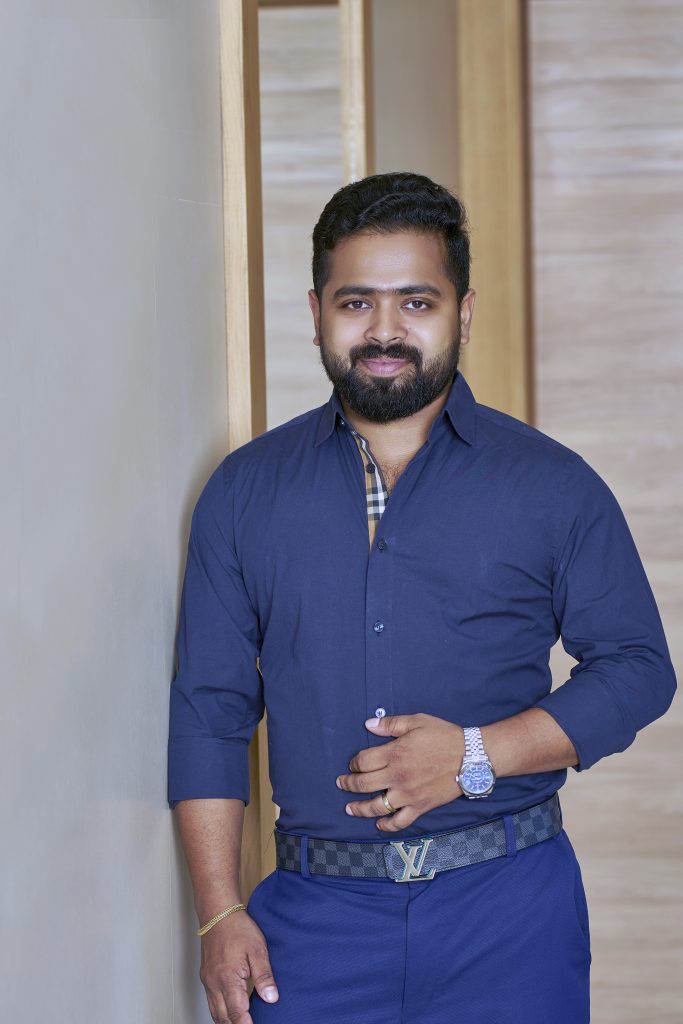
And his international experience continued through his association with Kadavu Restaurant and Sports Bar in Dubai, adding another perspective to his understanding of hospitality and multicultural business environments. Each venture added another piece to the larger picture. Jijin was no longer simply pursuing the dream of becoming a businessman. He was building an understanding of how different businesses work, how people interact with them and how leadership changes across industries.
Where Business Meets Sport
Another interesting dimension of Jijin’s professional journey is his involvement in sports.
He has taken on leadership responsibilities with TEZ Sports and the Liège Red Lions European League Club, bringing together his interests in sports, organisation, management and business development.
For Jijin, the connection between sport and entrepreneurship is natural.
Both demand discipline.
Both require teamwork.
Both involve strategy.
And both teach people how to deal with setbacks.
A business leader, much like a team leader, cannot succeed by focusing only on individual performance. People, systems and a shared objective all have to work together.
His involvement in sports therefore represents more than an additional professional interest. It is another platform through which he continues to explore leadership and team building.
The Entrepreneur Who Doesn’t Like Standing Still
Ask Jijin about his life today and one theme emerges clearly.
He does not like standing still.
Business ideas, meetings, operations, new opportunities and future plans keep him occupied.
For him, productivity is closely connected to purpose.
He believes that staying engaged helps maintain focus and motivation. At the same time, he recognises that an entrepreneur’s ability to keep moving depends on maintaining physical and mental well-being.
The philosophy is simple: ambition should not come at the expense of balance.
Success is not merely about building a business.
It is also about having the energy, clarity and discipline to continue building.
From Building Businesses to Building People
Perhaps the most significant evolution in Jijin’s journey is happening now.
His ambition is gradually moving beyond his own businesses.
He wants to create opportunities for the next generation.
Having experienced the challenges of starting from a relatively modest background, moving to another country, adapting to unfamiliar environments and building businesses, Jijin understands the value of mentorship and connections.
He believes that young entrepreneurs need more than funding.
They need people who have already travelled the road.
They need mentors who can share experience.
They need access to business leaders.
They need networks.
They need encouragement when an idea is still too young to look like a success.
And sometimes, they simply need someone to say, keep going.
This is the legacy Jijin wants to build.
An ecosystem where fresh ideas can meet experience, where technology can meet traditional business knowledge, and where young founders can find the relationships and guidance necessary to turn possibilities into enterprises.
A Future Driven by Innovation
Jijin’s vision for the future is closely connected with innovation.
The business landscape is changing rapidly. Artificial intelligence, digital platforms, changing consumer behaviour and new business models are creating opportunities that previous generations could not have imagined.
He believes young entrepreneurs should not be afraid of that change.
They should understand technology, embrace innovation and be willing to take calculated risks.
At the same time, the lessons of the past should not be discarded.
Jijin’s own journey is proof of that.
The technology and markets may change.
The values remain.
Hard work.
Relationships.
Perseverance.
Humility.
And the courage to begin.
A Dream That Became Bigger
When Jijin looks back, the journey can be traced almost like a map.
Palakkayam.
Palakkad.
America.
Connecticut.
Dubai.
Munnar.
Kochi.
And the many business and professional relationships formed along the way. But the most important journey is not measured in kilometres. It is measured in ambition.
A young boy from a small Kerala village wanted to become a businessman.
He pursued education in hospitality.
He moved across continents.
He entered the restaurant industry.
He built Royal Spice.
He faced one of the most difficult periods the hospitality industry had ever experienced.
He expanded his professional horizons across restaurants, resorts, facility management, retail and sports.
And somewhere along the way, the original dream changed.
He no longer wants success only for himself.
He wants to create possibilities for people who are still standing at the beginning of their own journeys.
That is what makes Jijin Jimmichan’s story more than an entrepreneurial profile.
It is a story about evolution.
About taking something from your childhood and carrying it into a completely different world.
About turning food into a bridge between cultures.
About turning adversity into experience.
And ultimately, about turning personal ambition into a larger purpose.
Royal Spice may have begun as a restaurant, but for Jijin, the journey has become much bigger than a dining room in Connecticut.
It is about what happens when a dream crosses borders.
It is about what happens when heritage becomes an opportunity.
And it is about what happens when an entrepreneur begins to ask a different question—not What can I build for myself? but What can I build that continues to create opportunities after me?
The answer is still being written.
And perhaps that is the most exciting part of Jijin Jimmichan’s story.
The dream began in Palakkayam. It crossed an ocean, found a home in America and became a business. Now, Jijin is looking beyond business itself—to build something that lasts.
From a village dream to a vision without borders, his journey is no longer just about where he came from. It is about how many others he can help move forward.
Pic courtesy: Pegasus Photography/ images are subject to copyright