featured News Trending

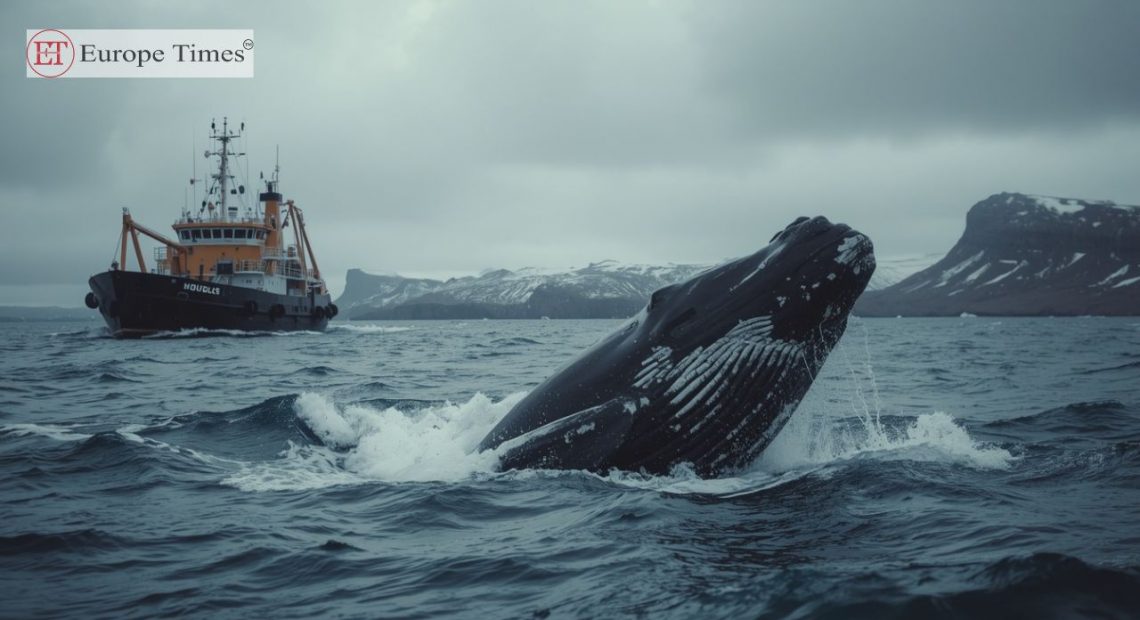
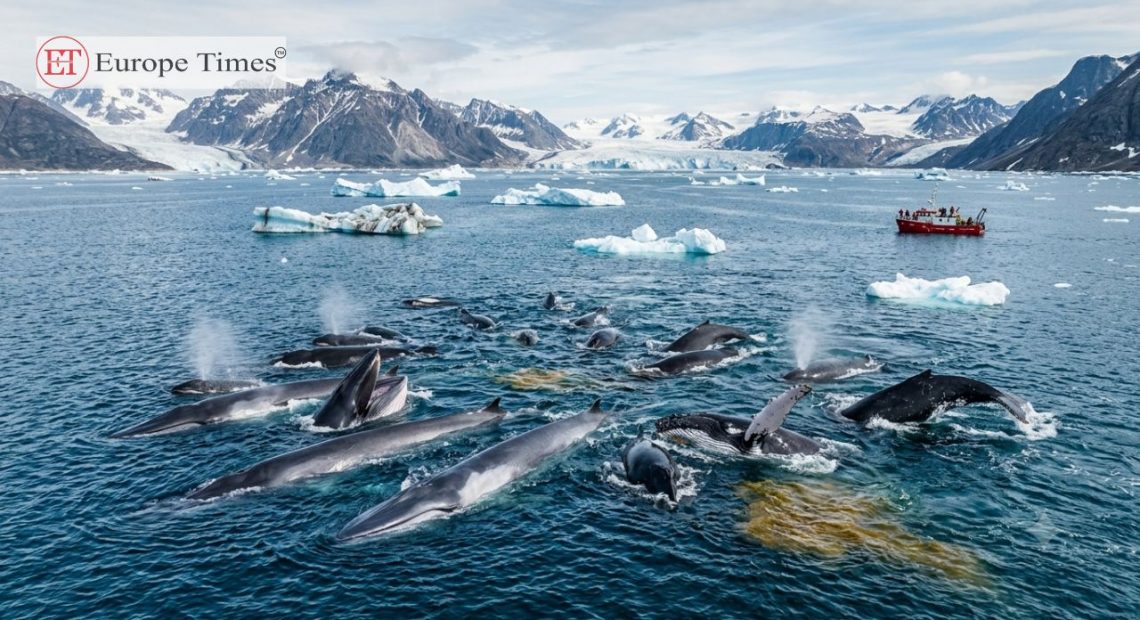
Giant whales are increasingly moving into previously inaccessible waters along Greenland’s east coast as rising temperatures cause sea ice to disappear. A decades-long study found that fin, humpback and minke whales are now feeding in ice-free coastal waters during summer, marking a major shift in the region’s marine ecosystem.

Researchers recorded a sharp rise in whale activity, with aerial surveys, satellite tracking and observations from Inuit hunters providing evidence of the change. An estimated 4,000 humpback whales, 6,000 fin whales and 6,000 minke whales visited the Greenland Sea in summer 2024. Scientists believe warmer waters and increased food availability are attracting the whales to the area.

While some whale species appear to be benefiting from the changing conditions, Arctic species such as narwhals and belugas could face growing pressure as their traditional habitat changes. Scientists say the movement represents a major ecological shift, highlighting how climate change is creating new opportunities for some marine species while threatening others.

Pic courtesy: google/ images are subject to copyright

featured News Trending

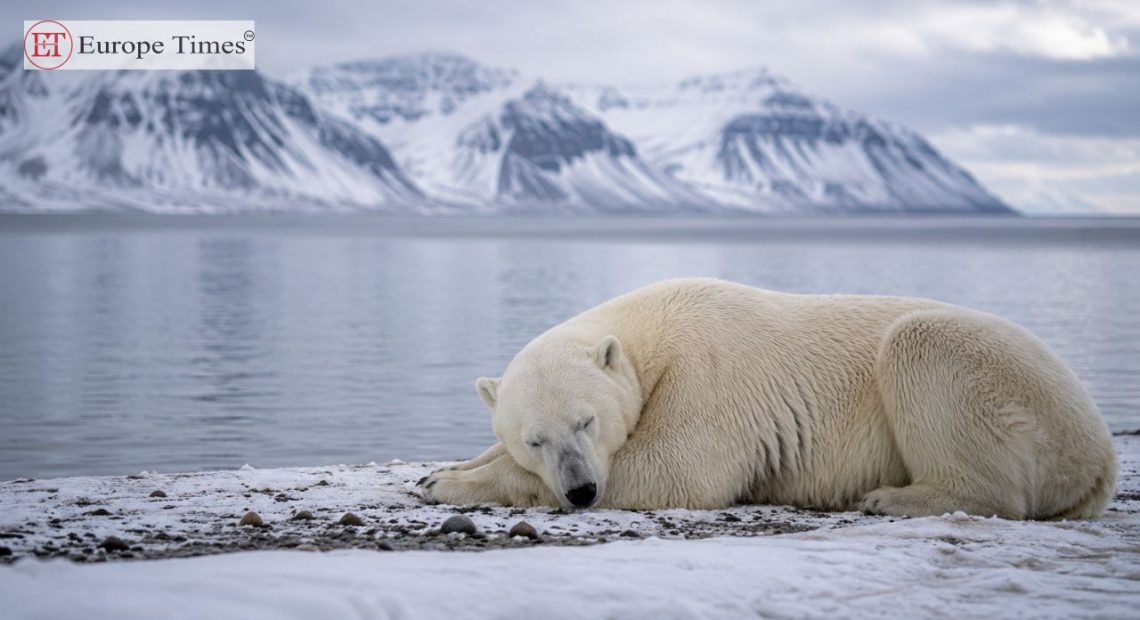
A person in Norway’s Svalbard archipelago has been fined 50,000 kroner (£3,890) for using a ship’s foghorn to wake a sleeping polar bear. The incident took place earlier this month as a vessel was sailing through a fjord in north-western Svalbard, around 1,000 km (620 miles) from the North Pole.

According to Svalbard Governor Lars Fause, people aboard the vessel spotted the polar bear sleeping on land and one person sounded the foghorn. The noise woke the animal, which then moved to another location. The individual, whose identity has not been disclosed, agreed to pay the fine.

Polar bears have been protected in Svalbard since 1972, and local regulations prohibit people from unnecessarily disturbing, attracting or pursuing them. The archipelago is home to an estimated 250 polar bears, based on the most recent scientific count in 2015. Authorities have previously fined tourists for disturbing wildlife, including a visitor who was penalised in 2024 for getting too close to a walrus.

Pic courtesy: google/ images are subject to copyright

featured News Trending

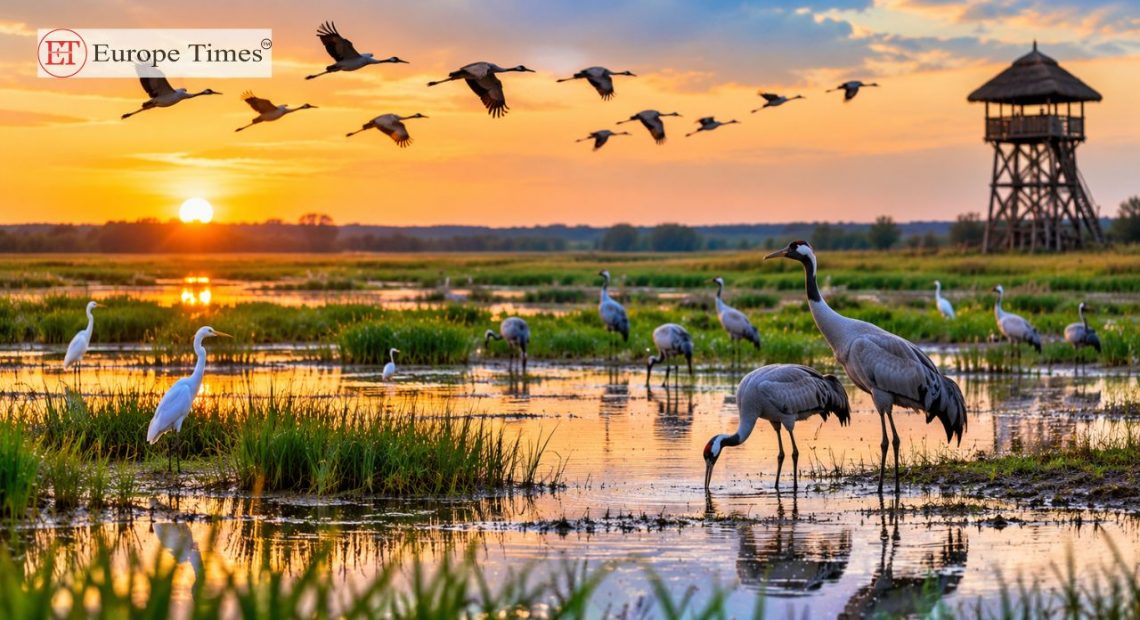
Hungarian authorities are channeling millions of cubic metres of water into the marshes of Hortobágy National Park, a UNESCO World Heritage Site, to prevent the wetlands from drying out during a severe drought. The protected area in eastern Hungary is an important habitat for migratory birds and a popular destination for nature tourism.

Officials said around 2 million cubic metres of water have already been diverted into the marshland, preventing the area from drying up completely. The same wetlands dried out entirely during the 2022 drought, leading to wildfires that destroyed more than 800 hectares of land.

Conservation experts warn that climate change, declining groundwater levels, and reduced rainfall are altering bird migration patterns and threatening the long-term health of the ecosystem. They say sustainable water management and better conservation measures will be essential to protect the wetlands and the wildlife that depends on them.

Pic courtesy: google/ images are subject to copyright

featured News Trending

A humpback whale stranded for over five weeks in shallow waters off Germany’s Baltic coast has been successfully moved using a specially adapted barge. The animal was coaxed into the water-filled vessel and is now being transported out of German waters toward the North Sea. The rescue effort drew widespread attention after earlier attempts to guide the whale back to deeper waters had failed.

The operation, funded by two German entrepreneurs, was celebrated by local officials and rescue teams, who described the moment the whale entered the barge as emotional and unforgettable. Authorities said the whale appeared stable during the journey, even showing signs of activity overnight, raising hopes for its survival.

However, marine experts and conservation groups remain cautious, warning that the whale is in a weakened condition and may struggle to recover. Concerns include skin damage from low-salinity waters and uncertainty about its ability to feed independently once released. While the rescue is seen as a remarkable effort, the whale’s long-term survival remains uncertain.

Pic courtesy: google/ images are subject to copyright

featured News Trending

A massive swarm of around 10,000 bees gathered under the seat of a parked bicycle near the Louvre Museum in Paris, surprising passersby and transport officials. The unusual घटना occurred outside the Palais Royal–Musée du Louvre metro entrance shortly after the bike had been locked.

Authorities temporarily closed the metro entrance to ensure public safety while a local beekeeper was called to handle the situation. Urban beekeeper Volkan Tanaci explained that the dense cluster likely formed around a queen bee, which naturally attracts thousands of others to gather tightly in one spot.

The bicycle’s owner shared images of the incident on Instagram, noting that the swarm appeared within just 30 minutes of parking. The bees were later safely removed without harm, turning an everyday scene into a rare and fascinating urban wildlife moment.

Pic courtesy: google/ images are subject to copyright

featured News Trending

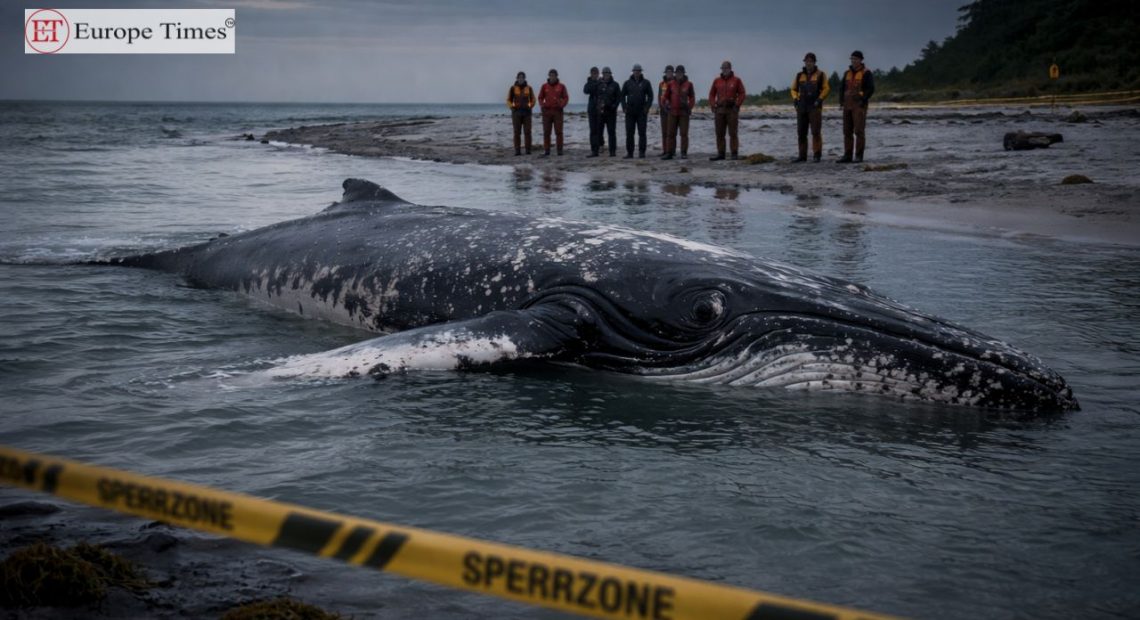
Rescue teams in Germany have ended efforts to save a stranded humpback whale after more than a week of attempts along the Baltic Sea coast. The whale, first trapped on a sandbank in March, was briefly freed but later swam into increasingly shallow waters near Poel Island, where it became stuck again.

Experts say the animal is now too weak to survive, with its condition worsening despite repeated interventions. Officials noted that attempts to guide it back to deeper, saltier waters had failed, and further rescue efforts would likely cause unnecessary suffering.

Authorities have now established an exclusion zone around the whale, allowing it to die undisturbed. Officials described the situation as a tragic and rare incident, highlighting the challenges of rescuing large marine animals in difficult coastal conditions.

Pic courtesy: google/ images are subject to copyright