News Trending

A heatwave in Europe has led to red alerts for extreme heat in most of Italy’s major cities. The high temperatures, expected to peak on Wednesday, have put 23 cities on high alert.

The heatwave is affecting millions of people in the northern hemisphere and is accompanied by wildfires in Greece and the Swiss Alps. The heatwave is caused by a high-pressure system bringing warmer air from the tropics, while a jet stream remains stuck over central Europe.

The extreme heat is forecasted to continue through Wednesday in southern Europe, with temperatures exceeding 40°C (104°F). Italy’s health ministry has activated “heat codes” in emergency rooms to handle the increase in heat-related illnesses.

There has been a 20% rise in patients admitted with symptoms such as dehydration, exhaustion, and heat stroke. Record-breaking temperatures of 41.8°C (107.2°F) were recorded in Rome. Red alerts are also in place in Spain, Greece, and parts of the Balkans. The heatwave is expected to continue into August, according to the World Meteorological Organization.

Other parts of the world, including the US and China, are also experiencing extreme heatwaves. Climate change is cited as a significant factor in the increasing frequency and intensity of heatwaves.

Picture Courtesy: Google/images are subject to copyright

News Trending

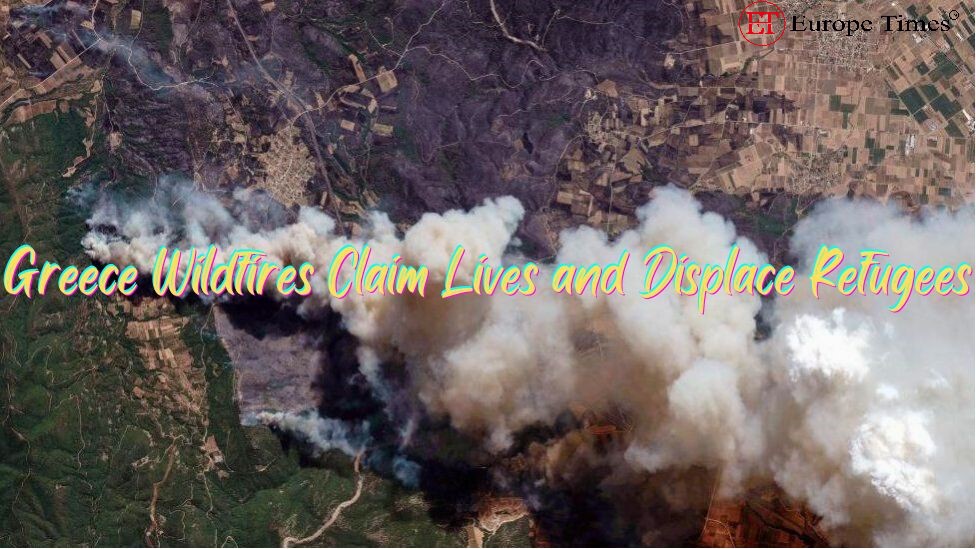
A summer camp in Greece has been forced to evacuate over a thousand children due to raging wildfires that have erupted in the country. As Greece endures a scorching Mediterranean heatwave, two separate blazes are spreading rapidly.

In the town of Loutraki, situated west of Athens, flames advanced towards the camp, prompting the evacuation of 1,200 children. In another incident, a man suspected of starting a fire in Kouvaras, southeast of the capital, was arrested by the police. Emergency service crews have assisted numerous individuals in evacuating their homes in the affected areas.

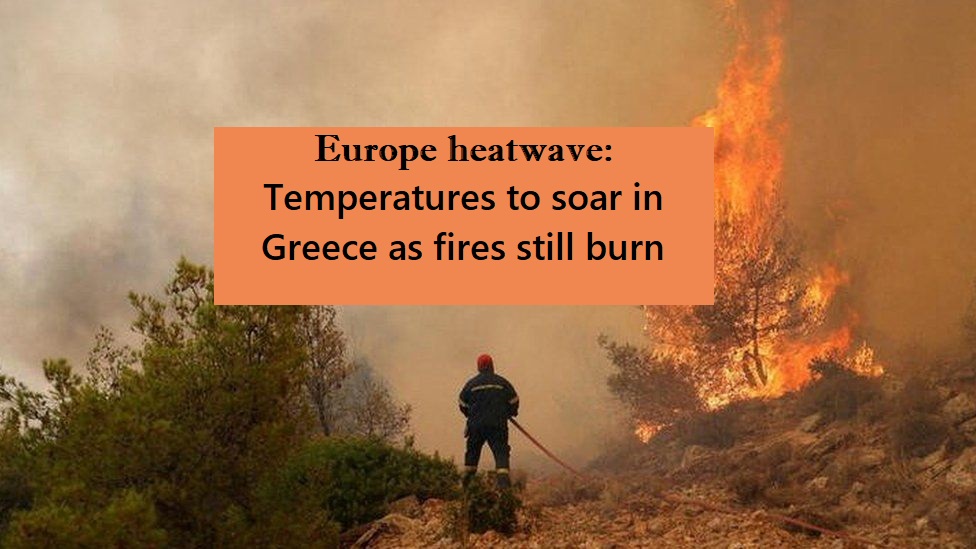
Several animals, including horses housed in stables, were also evacuated. The Greek government has stated that affected homeowners are eligible for temporary accommodation in local hotels and will be compensated later. Despite the efforts of hundreds of firefighters contending with strong winds, the fires continue to spread.

The situation has led to transportation disruptions, with sections of the Athens-Corinth national highway closed by the police and some train services affected. While it is suspected that at least one fire was intentionally started, scientists emphasize that such extreme weather events are becoming more frequent and intense due to global warming.

The intense regional heatwave shows no signs of abating, according to weather reports, and the risk of further fires remains high, as warned by the Greek meteorological service. Thick smoke, damaged houses, and cars were depicted on Greek television, reflecting the destruction caused by the wildfires. Greece has experienced temperatures surpassing 40°C (104°F) in recent days, leading to precautions such as the temporary closure of the Acropolis.

Neighboring countries like Italy and Spain are also facing unusually high temperatures, and further heat records are expected to be broken in the coming days throughout the region.

Picture Courtesy: Google/images are subject to copyright

Global Climate News Trending

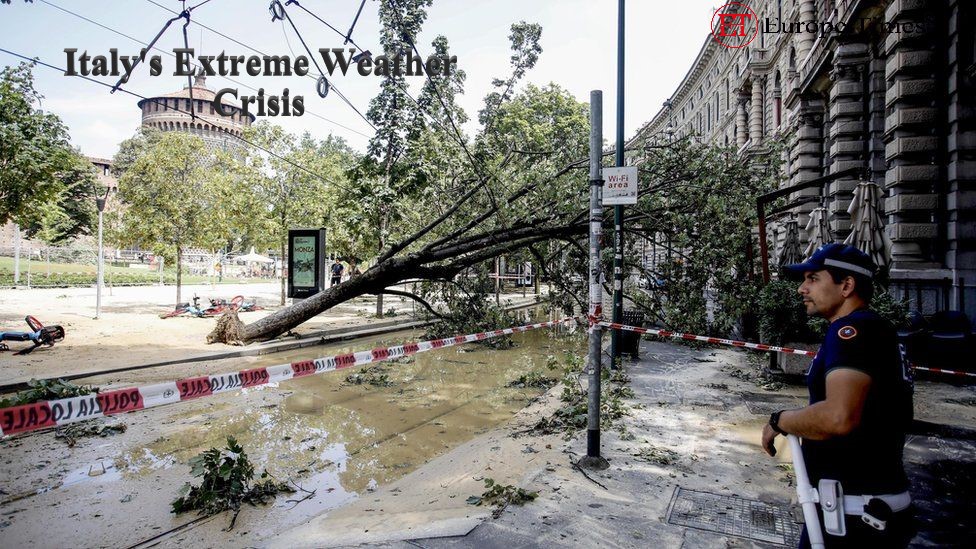
Italy is currently experiencing extreme heat, leading to red alerts being issued for 15 cities, including Rome, Florence, and Bologna. This heatwave is part of a larger trend of increasing temperatures and longer heatwaves globally due to global warming.

The European Space Agency (ESA) predicts that Italy, Spain, France, Germany, and Poland may face extreme conditions, with potential record temperatures. Greece has already been experiencing temperatures of 40°C or higher, leading to the closure of tourist attractions like the Acropolis. There are concerns about the increased risk of wildfires in Greece and other areas with high winds.

Central parts of Europe, including Germany and Poland, are also affected by high temperatures. In contrast, the UK is experiencing heavy showers and cooler weather due to the southern shift of the jet stream. The current heatwave in Italy, named Cerberus, is expected to be followed by another heatwave called Charon, pushing temperatures above 40°C.

Heatwaves are also occurring in other parts of the world, including the US, China, North Africa, and Japan. The increasing frequency and intensity of extreme weather events due to global warming have become the new normal, according to the World Meteorological Organization.

Picture Courtesy: Google/images are subject to copyright

News Trending

A powerful heatwave is currently sweeping across southern Europe, leading to widespread discomfort and raising concerns about the wellbeing of residents and the resilience of infrastructure. Known as “Cerberus,” this extreme weather event is characterized by a relentless onslaught of high temperatures that are significantly surpassing the seasonal norms. Several countries in the region, including Spain, Italy, Greece, and Turkey, are experiencing the effects of this scorching heatwave.

The heatwave has prompted authorities to issue heat alerts and take precautionary measures to safeguard vulnerable individuals from the potentially dangerous consequences of extreme heat. Both residents and tourists are struggling to cope with the oppressive weather, seeking refuge and searching for ways to stay cool amid the soaring temperatures.

The persistent and intense nature of the heatwave has sparked concerns regarding its potential impacts on various aspects of life in the affected areas. Agriculture, in particular, is at risk due to the extreme heat’s detrimental effects on crops and livestock. Water resources, already strained by the prolonged dry spell, are further under pressure as demand for water increases during the heatwave. Additionally, the heightened risk of wildfires is a significant concern, as the combination of scorching temperatures and dry conditions provides ideal conditions for fire outbreaks.

In response to these challenges, authorities are closely monitoring the situation and implementing measures to mitigate the effects of the heatwave. Efforts are focused on providing adequate support to vulnerable populations, ensuring the availability of cooling centers, and implementing fire prevention strategies.

Overall, the Cerberus heatwave is posing significant challenges to southern European countries, requiring coordinated efforts to minimize its impact on public health, infrastructure, and the environment.

Picture Courtesy: Google/images are subject to copyright