featured News Trending

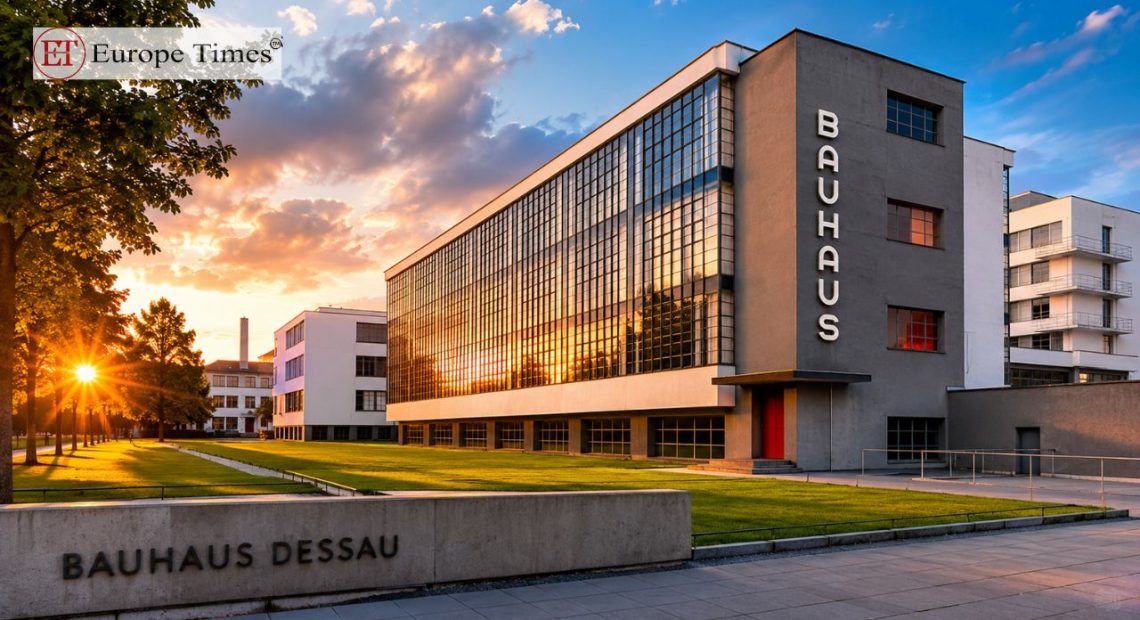
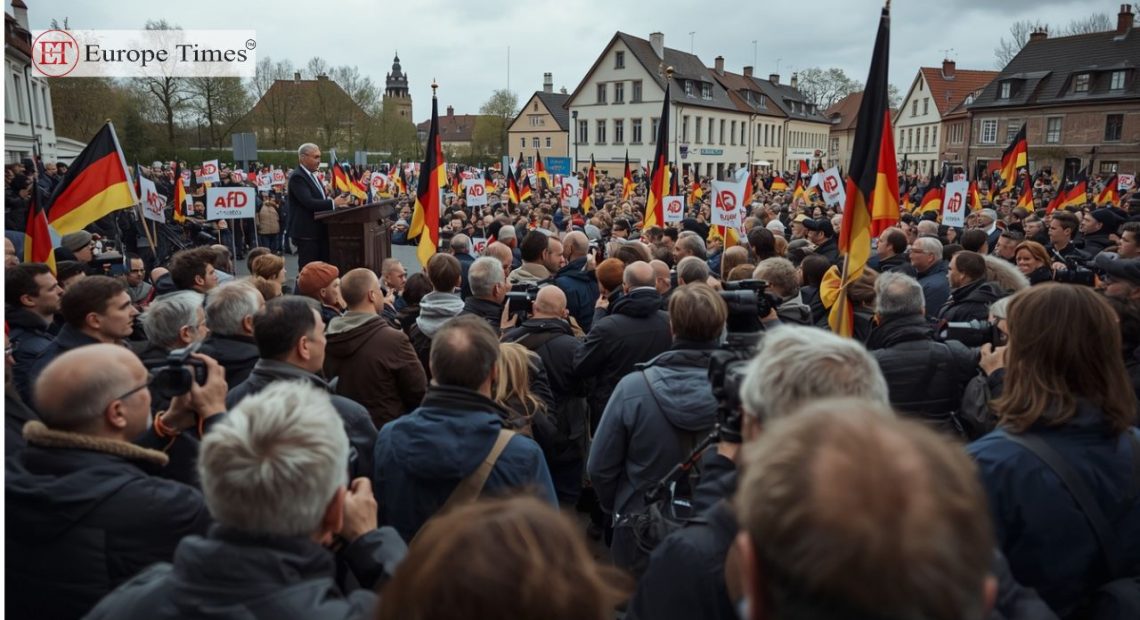
Germany’s iconic Bauhaus movement has become a focal point in a growing cultural debate ahead of September’s state election in Saxony-Anhalt, where the far-right Alternative for Germany (AfD) is leading opinion polls. The party has pledged a “patriotic cultural policy” and argues that Bauhaus architecture represents rootless globalism rather than nationally grounded German traditions.

Founded after World War I, the Bauhaus school revolutionized architecture and design through its minimalist use of glass, steel, and concrete, influencing buildings and household products worldwide. While the AfD criticizes modernist architecture and state support for what it calls “anti-German” culture, Bauhaus supporters say the movement reflects innovation, openness, and an important chapter of German history.

Cultural leaders and academics have expressed concern that an AfD victory could reshape cultural and educational policies in the state. Although Germany’s federal system limits sweeping changes, observers say Saxony-Anhalt could serve as a testing ground for the party’s broader cultural agenda, placing institutions such as Bauhaus and universities under increased political scrutiny.

Pic courtesy: google/ images are subject to copyright