featured News Trending

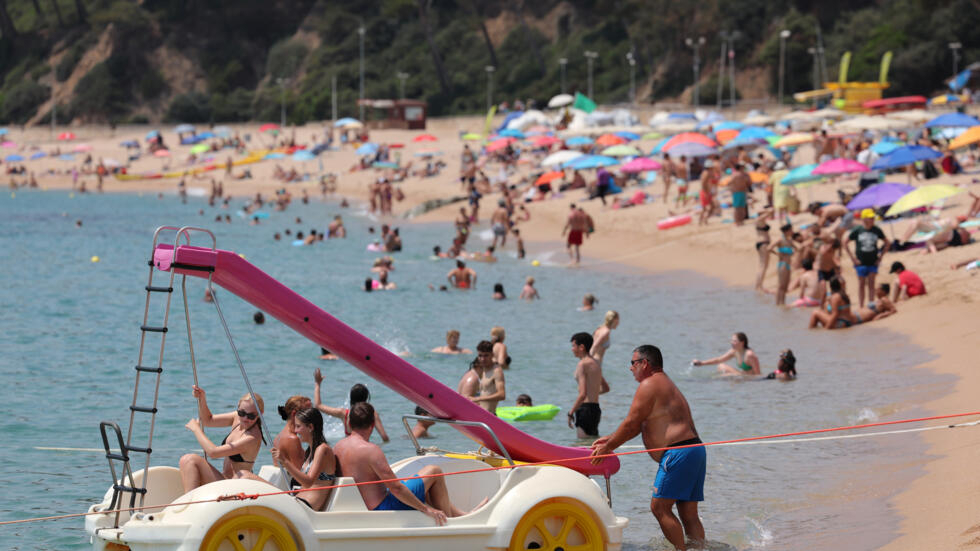
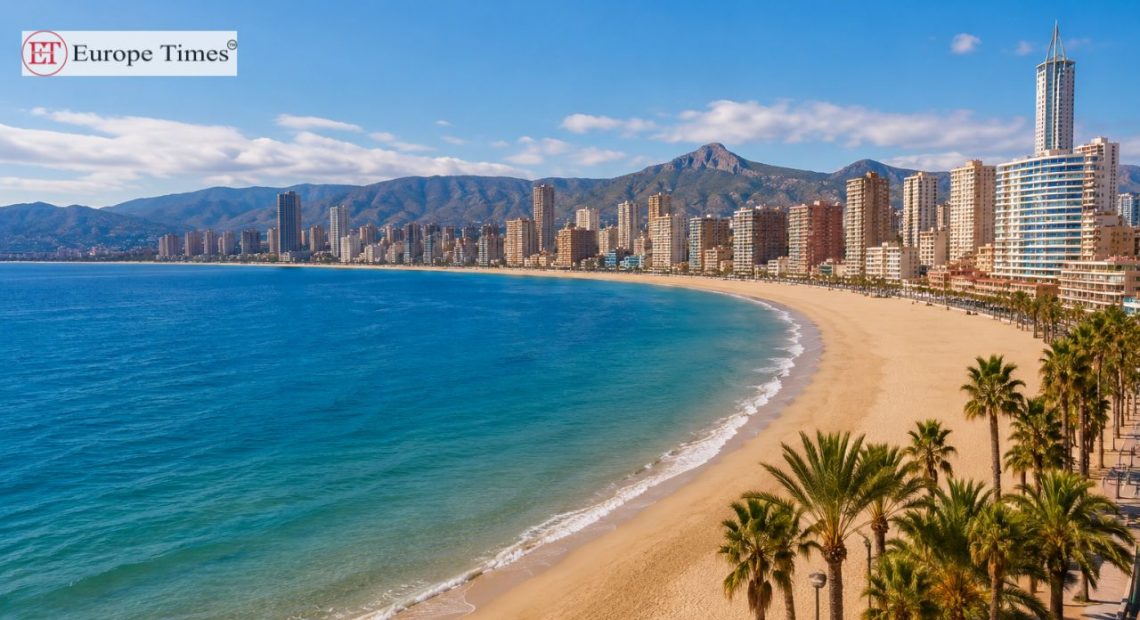
Tourism in Spain has surged to record levels, with foreign arrivals reaching about 97 million in 2025 and expectations of hitting 100 million in 2026. Popular destinations like Benidorm have fully rebounded after the pandemic, with visitor numbers far exceeding local populations during peak seasons. Industry leaders say part of the recent boost comes from global instability, as some travelers avoid Middle Eastern and eastern Mediterranean destinations in favor of Spain.

Experts note that geopolitical tensions and conflicts in the Middle East have redirected tourist flows, making Spain a perceived safer alternative to places like Turkey, Egypt, and Dubai. While Spain benefits from this shift, destinations such as Dubai have reportedly seen sharp declines in passenger and booking numbers. Tourism already contributes around 13% of Spain’s GDP, making the sector crucial to its economic growth.

However, the boom has intensified domestic tensions over over-tourism. Cities like Barcelona are facing protests from residents concerned about rising rents, housing shortages, congestion, and environmental pressure, often linked to short-term rentals. Authorities have begun tightening regulations on Airbnb-style accommodation and increasing tourist taxes, but industry leaders warn that balancing growth with livability remains a major challenge.

Pic courtesy: google/ images are subject to copyright

featured News Trending

In the first half of 2024, Spain experienced a 13% surge in foreign tourists, positioning the country for yet another record-breaking year for visitor numbers, despite growing concerns over the holiday industry’s impact on popular tourist areas. According to Spain’s data agency INE, 42.5 million international visitors arrived in the country from January to June, with June alone seeing a 12% increase to 9 million, signaling the busy summer season. With this momentum, 2024 is set to surpass last year’s record of 85 million tourists, making Spain the second most visited country in the world, trailing only France.

However, residents in top tourist destinations like Mallorca, Barcelona, and the Canary Islands are increasingly worried about the influx of visitors and its effect on housing prices. Protests have erupted, including a recent incident in Barcelona where anti-tourism activists used water pistols on foreign tourists while chanting “tourists go home,” which garnered global media attention.

Tourist spending also rose significantly, totaling 12.3 billion euros in June—up 17% from the same month last year—contributing to economic growth but complicating efforts by the government to balance tourism with local community interests. Rising housing costs in Spain are partly attributed to the surge in holiday rentals through platforms like Airbnb and Booking.com. Data from the report indicates that there has been a 30% increase in tourists opting for rented apartments, while hotel stays rose by 11%.

Picture Courtesy: Google/images are subject to copyright