featured News Trending

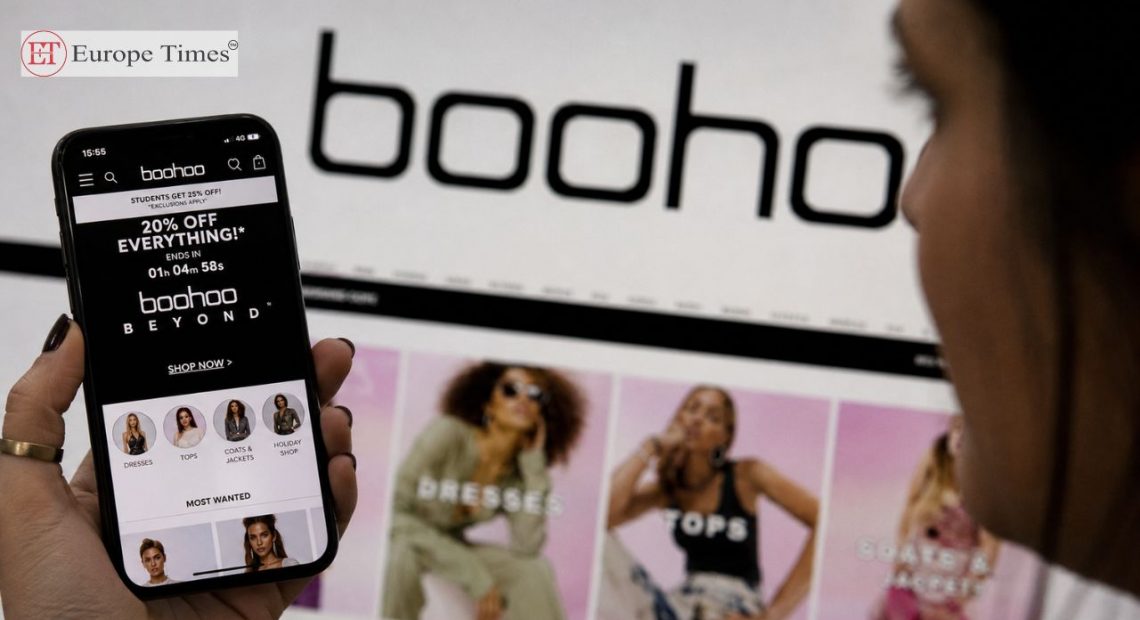
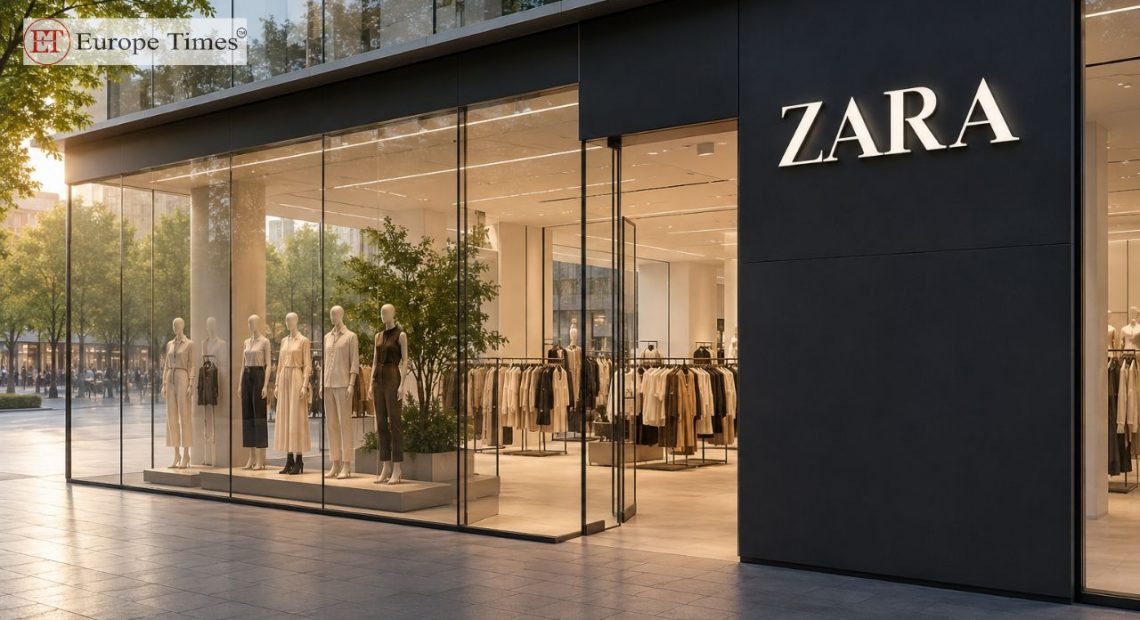
Zara owner Inditex has reassured investors with a strong start to the summer season, reporting currency-adjusted sales growth of 11.5% in May, well above analysts’ expectations of 8%. The performance comes despite weaker consumer confidence and economic uncertainty linked to rising inflation concerns and geopolitical tensions. The retailer’s shares climbed as much as 5% following the announcement.

During the February-to-April quarter, Inditex recorded sales of €8.75 billion, representing an 8.8% increase on a currency-adjusted basis. The company also improved profitability, with gross margin rising to 61.2% from 60.6% a year earlier. Executives said the group has successfully adapted its supply chain to manage disruptions in global shipping and transportation caused by the ongoing conflict in the Middle East.

Inditex remains optimistic about future growth, particularly in the United States, its second-largest market after Spain. The company said sales growth is being driven mainly by higher product volumes rather than price increases, while investments in larger stores and strategic expansions continue to attract customers. Inditex maintained its full-year outlook, including stable gross margins, a 5% increase in retail space, and capital expenditure of €2.3 billion.

Pic courtesy: google/ images are subject to copyright

featured News Trending

A court in Germany has ruled that chocolate maker Mondelēz International misled consumers by reducing the size of its popular Milka Alpenmilch chocolate bar while keeping nearly identical packaging. The case, brought by Hamburg’s consumer protection office, accused the company of deceiving buyers after shrinking the bar from 100g to 90g while also increasing the price from €1.49 to €1.99.

The Bremen regional court said the unchanged purple wrapper created a misleading impression for customers familiar with the product over many years. Judges ruled that the issue was not the packaging itself, but the gap between consumer expectations and the actual product size. The court stated that clearer and more noticeable labeling about the reduced weight was necessary to avoid deception. Mondelēz said it respected the decision and would review the ruling, though it still has the option to appeal.

The case has become one of Germany’s biggest examples of “shrinkflation” — the practice of reducing product sizes while maintaining or increasing prices due to rising production costs. Consumer groups say chocolate has been especially affected because of soaring cocoa prices linked to poor harvests in West Africa. Other products, including toothpaste, oats, and coffee, have also faced similar criticism, while brands like Ritter Sport have also come under scrutiny for reducing chocolate bar weights.

Pic courtesy: google/ images are subject to copyright

featured News Trending

European retailers are warning of rising prices and weakening consumer demand as the ongoing Middle East conflict drives up energy and transportation costs. Companies across the sector say prolonged disruption could fuel inflation, with oil prices already climbing above $100 per barrel and increasing pressure on global supply chains.

Major retailers including H&M and Next have signalled potential price increases in the coming months. While short-term hikes may remain modest, executives caution that prolonged conflict could push prices significantly higher, particularly as manufacturing and freight costs rise. Firms are relying on flexible supply chains to manage uncertainty but acknowledge growing risks.

At the same time, consumer confidence across Europe is weakening, with falling retail sales and declining sentiment in countries such as the UK, Germany, and Italy. Retailers like Co-op warn that households are becoming more cautious amid rising living costs, and further escalation of the conflict could intensify inflationary pressures, dampening spending and slowing economic growth.

Pic courtesy: google/ images are subject to copyright

News Trending

French supermarket giant Carrefour has announced its decision to cease selling Pepsi products in its stores due to what it deems “unacceptable price increases.” The move, affecting items like Pepsi soda, Doritos, and Quaker cereals, was communicated to customers through signs displayed in stores. Pepsi has expressed its commitment to continuing negotiations in “good faith” despite the disagreement.

The disagreement arises amid France’s struggle with rapidly increasing food prices, as indicated by a recent report showing a 7.1% rise in food prices in December compared to the previous year. French Finance Minister Bruno Le Maire has been urging major food companies to lower prices and has even threatened special taxes on what he considers “undue” profits. The government has accelerated the deadline for price negotiations between food companies and supermarkets in an attempt to address the issue.

Pepsi, citing rising costs, has implemented price increases in recent years, with expectations of further hikes in 2024. The company has also faced criticism for “shrinkflation,” reducing product sizes without corresponding price decreases. Carrefour, as the second-largest grocer in France, has been notably resistant to this practice and, in September, displayed signs highlighting “shrinkflation” on certain products, including Lipton Ice Tea, a Pepsi brand.

Carrefour’s decision to no longer sell Pepsi products is accompanied by notices explaining the move as a response to “unacceptable price increases.” Despite this decision, existing Pepsi products on the shelves will still be available for purchase by French consumers. Pepsi has stated that discussions with Carrefour have been ongoing for months, and they remain committed to finding a resolution to ensure their products’ availability.

While public disputes over pricing are unusual, they are not unprecedented. In 2022, Tesco clashed with Kraft Heinz over price hikes for staples like baked beans and ketchup. Similarly, German grocers Edeka and Rewe halted sales of certain Mars products, citing price increases. Edeka also faced a dispute with Pepsi in the previous year, and a standoff between Mondelez, the maker of Milka chocolate, and Belgian supermarket Colruyt resulted in a supply gap last year.

Picture Courtesy: Google/images are subject to copyright