featured News Trending

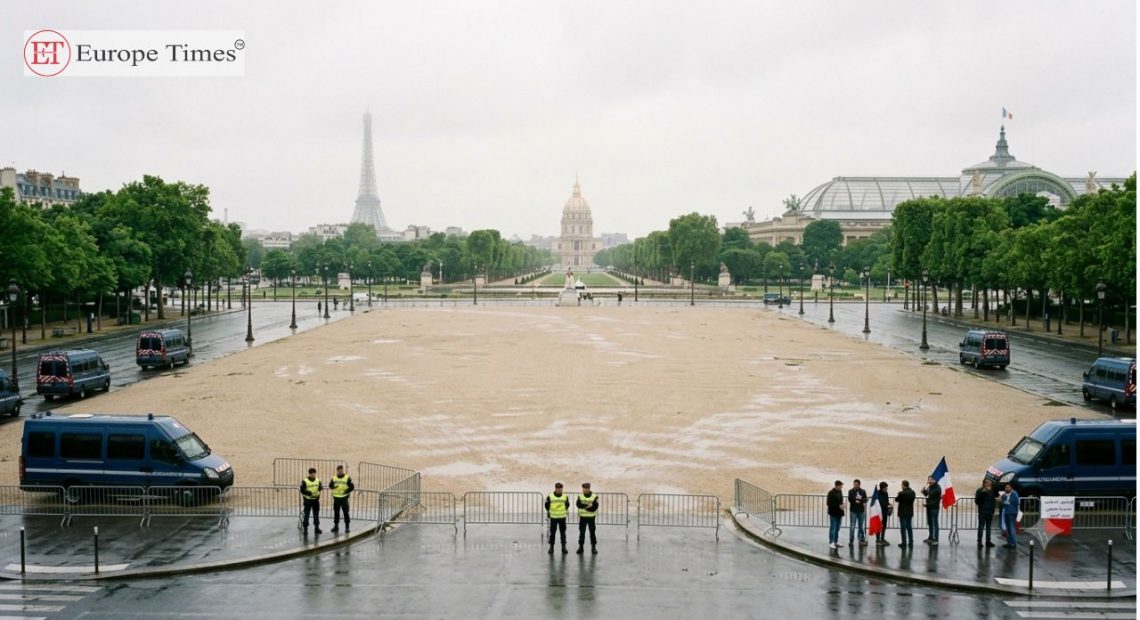
French authorities have issued a last-minute ban on a massive rally planned by the Paris-based National Council of Resistance of Iran (NCRI), which was scheduled to take place on Saturday, June 20. The Paris Police Prefecture justified the decision by citing a “particularly tense national and international context,” warning that a serious risk of violent clashes between opposing activist factions could disrupt public order. The NCRI, the political arm of the People’s Mujahideen Organisation of Iran, vehemently rejected the police’s reasoning as “bogus,” noting that organizers had coordinated legally with law enforcement for two months and that their previous rallies—including one in February 2025—had concluded entirely without incident.

The sudden cancellation occurred just hours after a diplomatic phone call between French Foreign Minister Jean-Noel Barrot and his Iranian counterpart, Abbas Araqchi, regarding efforts to end the regional Iran war. While the NCRI alleged that the ban was a political concession to Tehran, France’s foreign ministry swiftly rejected the claim, stating that the Iranian minister never requested the cancellation or mentioned the protest. Simultaneously, French officials allowed other potentially controversial events to proceed, including a Sunday concert featuring Israeli artists for the Paris music festival, despite anticipated opposition from pro-Palestinian groups.

Tehran has long demanded crackdowns on the NCRI’s activities across Western capitals, regularly condemning the group through state media. This marks the second time in recent years that French police have attempted to block the group’s high-profile gatherings, which routinely attract thousands of expatriates alongside prominent former U.S. and European officials; a similar ban in 2023 was ultimately overturned by a French court. In tandem with the security measures, Foreign Minister Barrot emphasized that France distinguishes between the Iranian regime and its people, announcing a new state platform to support exiled Iranian artists independently of political considerations.

Pic courtesy: google/ images are subject to copyright

featured News Trending

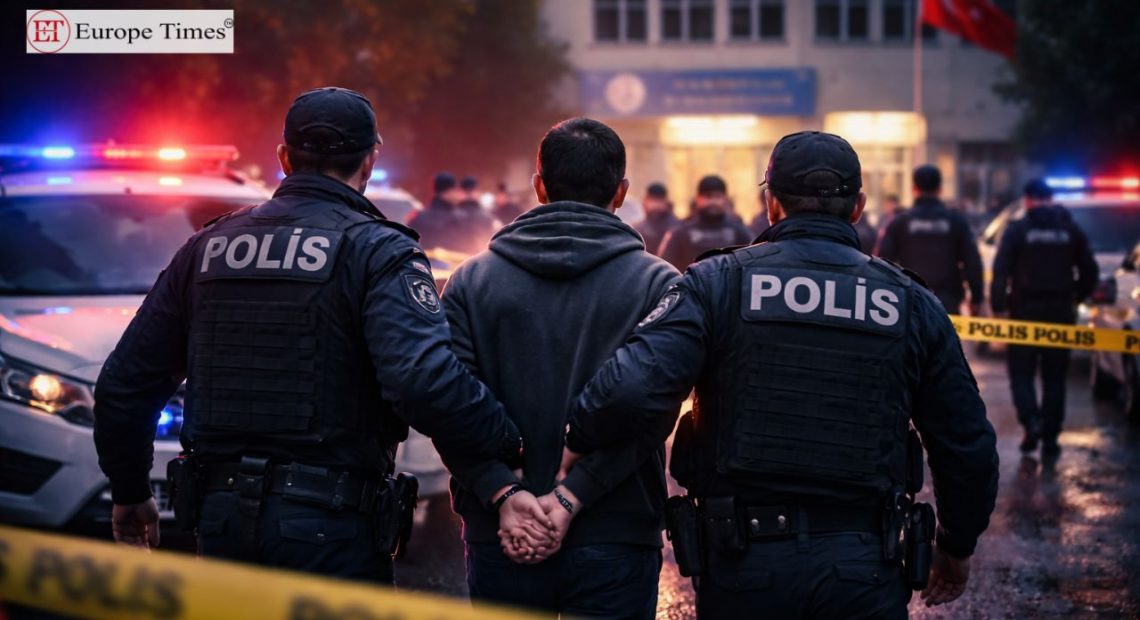
Turkish authorities have detained 162 people accused of posting or sharing online content that allegedly praised recent school shootings and undermined public order. Officials said the arrests were part of a wider crackdown on social media activity following two separate attacks this week that left multiple students and a teacher dead, and several others injured.

The first shooting occurred at a vocational high school in southeastern Turkey, where 16 people were injured before the attacker killed himself. A second, more deadly attack followed a day later at a secondary school in Kahramanmaras, killing at least nine people including students and a teacher. The teenage attacker was also killed, and officials said he had planned the assault in advance and referenced a known US mass killer in online material.

Hundreds of mourners gathered for funerals of the young victims as grief spread across the country, with officials confirming increased security measures and widespread restrictions on social media accounts. Justice authorities said dozens were also detained for allegedly spreading misinformation or encouraging further attacks online, while more than a thousand accounts faced restrictions.

Pic courtesy: google/ images are subject to copyright

featured News Trending

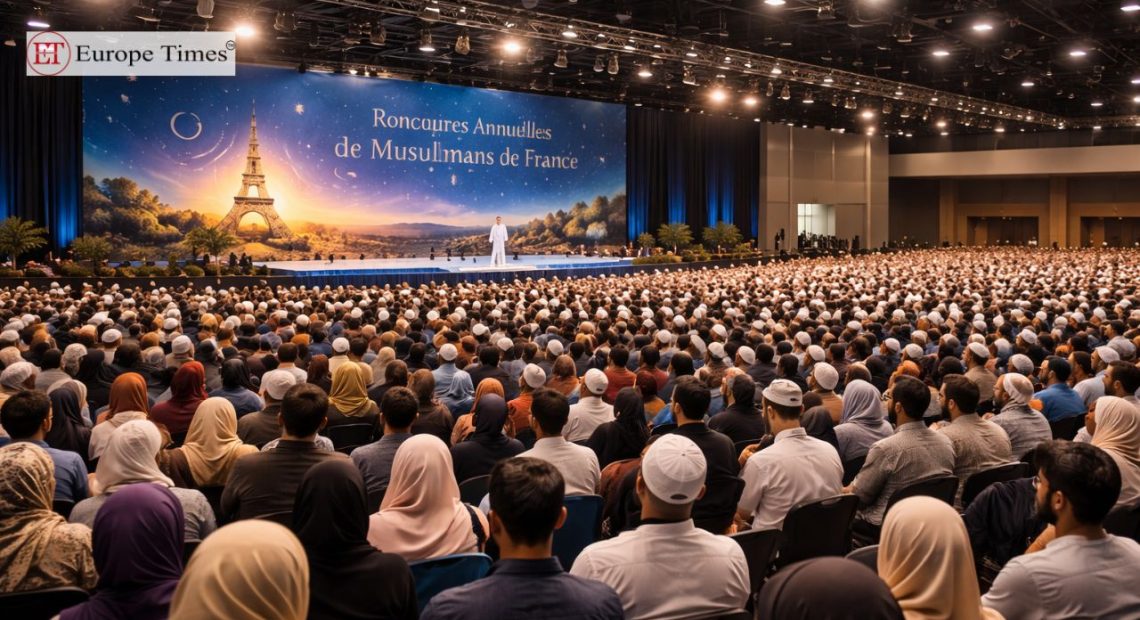
A major Muslim gathering in northern Paris will take place as scheduled after a French administrative court overturned a government order to ban it. Authorities had argued that the four-day Annual Encounter of Muslims of France posed a potential security risk, citing concerns that the event could become a target for terrorist attacks. However, organisers from the Muslims of France (MF) association challenged the decision, calling it a violation of fundamental freedoms, and secured a last-minute ruling in their favour just hours before the event’s planned opening.

In its decision, the court stated that the police had not provided sufficient evidence to justify the ban. Judges found no clear indication of threats such as counter-demonstrations or attacks by far-right groups, and they dismissed concerns about excessive strain on security forces. The organisers had already committed to implementing additional safety measures, further weakening the government’s argument. The event, which combines cultural, religious, and commercial activities, has historically attracted large crowds from across Europe but had not been held since 2019.

The controversy comes amid a broader political climate in France marked by heightened tensions and proposed new “anti-separatism” legislation targeting extremist ideologies. Officials argue that such measures are necessary to maintain public order and prevent radicalisation, while critics view them as restrictive and potentially discriminatory. The organisers’ legal team maintained that the attempted ban was unjustified and politically motivated, whereas government representatives insisted it was solely intended to ensure public safety.

Pic courtesy: google/ images are subject to copyright

featured News Trending

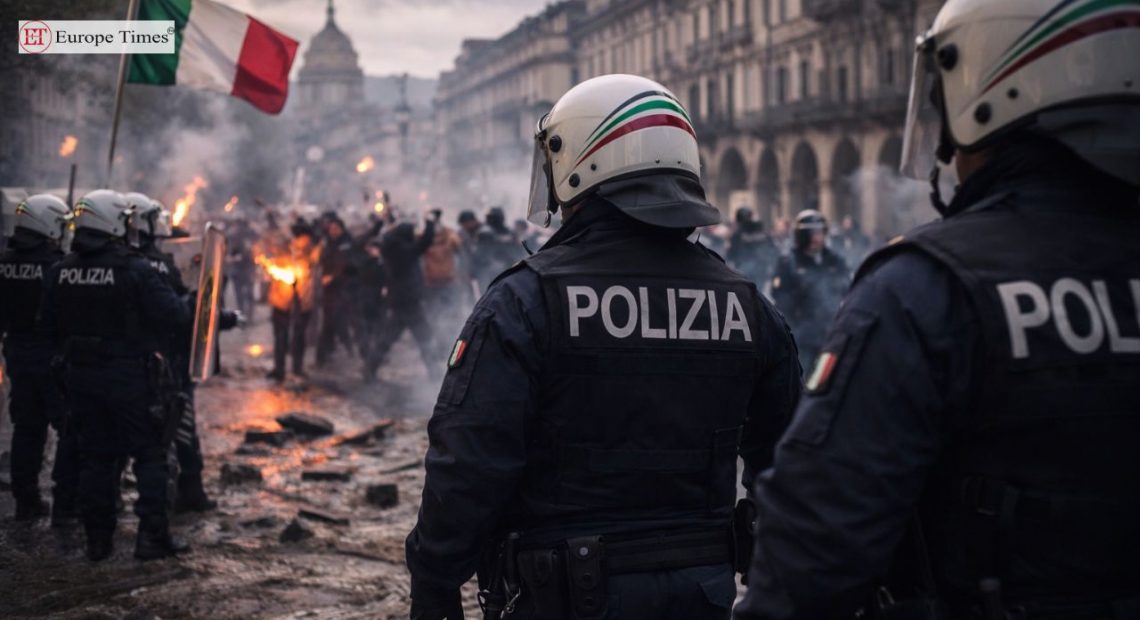
Italy’s government has approved a new law-and-order decree allowing police to temporarily detain suspected troublemakers ahead of street protests, following violent clashes at a rally in Turin. Prime Minister Giorgia Meloni’s right-wing administration said the move aims to prevent unrest after more than 100 police officers were injured and nearly 30 protesters arrested during demonstrations over the weekend.

The decree was adopted as Italy prepares for heightened security surrounding the Milano Cortina Winter Olympics, which open on February 6. Under the new rules, police will be able to hold individuals deemed a risk to public order for up to 12 hours to keep them away from rallies. Meloni said the measures strengthen tools to prevent and combat widespread crime.

The legislation also targets pickpocketing and youth gangs, bans knife sales to minors, and expands self-defence protections for police and civilians. Opposition lawmakers criticised the decree as repressive, warning that preventive detentions undermine the constitutional right to protest. Interior Minister Matteo Piantedosi defended the measures, saying similar powers exist in other European countries.

Pic courtesy: google/ images are subject to copyright

News Trending

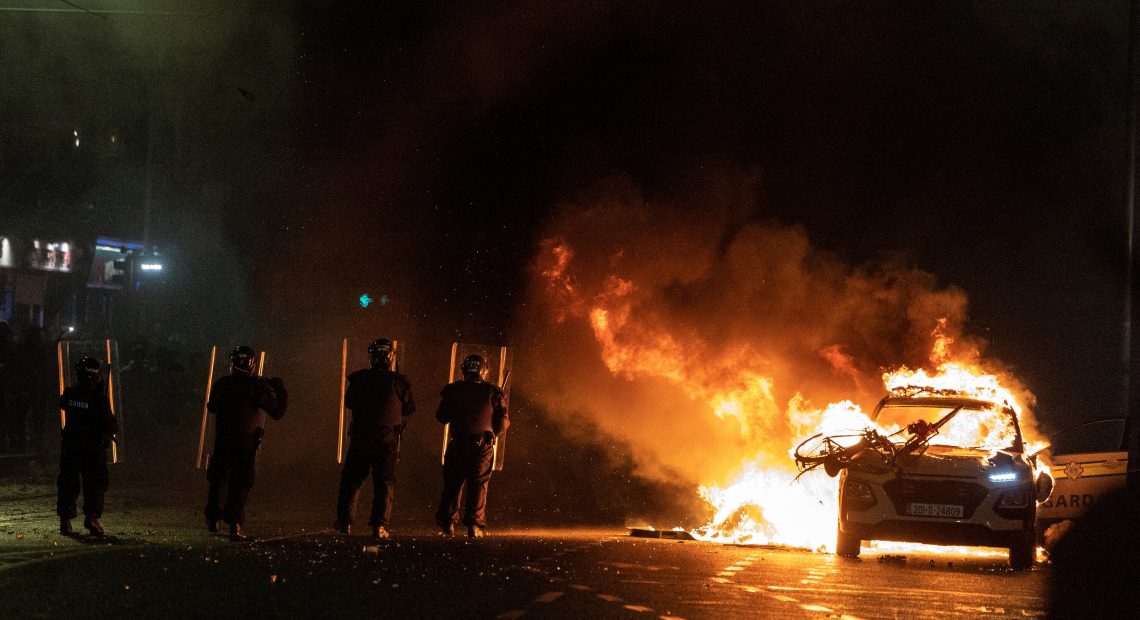
Fifteen individuals were brought before a special court in Dublin following violent protests at a site designated for asylum seekers. Protestors ignited pallets and construction equipment at the former Crown Paints factory in Coolock, North Dublin, causing a significant fire. The site on Malahide Road was scheduled for development later in the week.

Taoiseach Simon Harris condemned the violence as “reprehensible.” The fifteen individuals who appeared in Dublin District Court on Monday evening faced public order charges, including non-compliance with police orders and threatening or abusive behavior. They were released on conditional bail, provided they avoid the protest site, and are due back in court on September 18. Four additional people are set to appear in court on Tuesday morning.

Over 200 gardaí responded to the incident, with three Garda cars damaged, one of which was set on fire. According to Irish broadcaster RTÉ, pepper spray was used by the police, and a security guard along with several gardaí sustained injuries during clashes with the protesters. The disturbances involved petrol bombs, fireworks, and the burning of mattresses, which damaged a JCB. Fires were also set on the roads.

Gardaí classified the event as a public order incident and temporarily closed the road. Officers faced verbal and physical abuse throughout the day, which escalated to rocks, fireworks, and other objects being hurled at them. “A number of fires were lit and official Garda vehicles seriously damaged,” a spokesperson said. As the situation intensified, police used force in self-defense.

Garda Commissioner Drew Harris remarked on the challenging day for his officers and condemned the violence, stating that there were attacks on gardaí, criminal damage, and serious public disorder offenses, all of which would be thoroughly investigated. He mentioned that 15 individuals had been charged, with more charges expected overnight.

Justice Minister Helen McEntee expressed her horror at the criminal behavior in Coolock and vowed that those involved would face severe legal consequences.

Dublin city councillor Mícheál Mac Donncha condemned the incident as “deplorable,” asserting that violence, intimidation, and arson have no place in communities. The Sinn Féin representative emphasized that the burning of vehicles and attempts to burn the building were violent criminal acts that must be condemned. He noted that the Department of Integration was developing the site to house families seeking international protection, urging those responsible to cease their actions immediately and condemning the efforts to spread fear and hate in the community.

Picture Courtesy: Google/images are subject to copyright

News Trending

France has enacted a ban on the sale, possession, and transportation of fireworks for the upcoming Bastille Day celebrations.

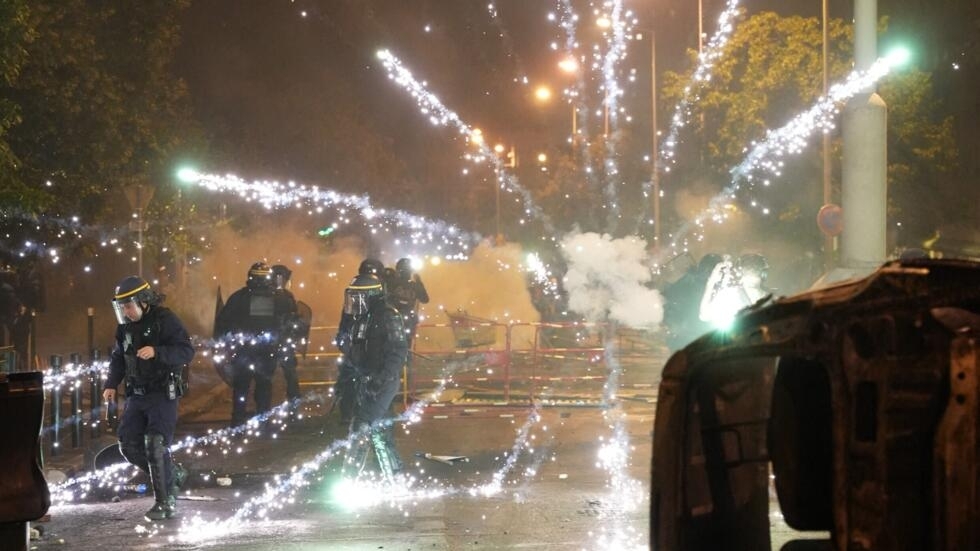
The government’s decision was influenced by recent riots sparked by the police killing of a 17-year-old in Nanterre. The prohibition, in effect until July 15, aims to prevent further public disturbances. However, the ban does not apply to official firework displays organized by local authorities.

Fireworks have frequently been used as weapons during periods of unrest, including during Bastille Day events in previous years. Prime Minister Élisabeth Borne has assured the public of a substantial security presence to ensure safety during the national holiday.

The recent protests resulted in over 3,700 individuals being detained, including a significant number of minors. Bastille Day commemorates the beginning of the French Revolution over 200 years ago.

Picture Courtesy: Google/images are subject to copyright