featured News Trending

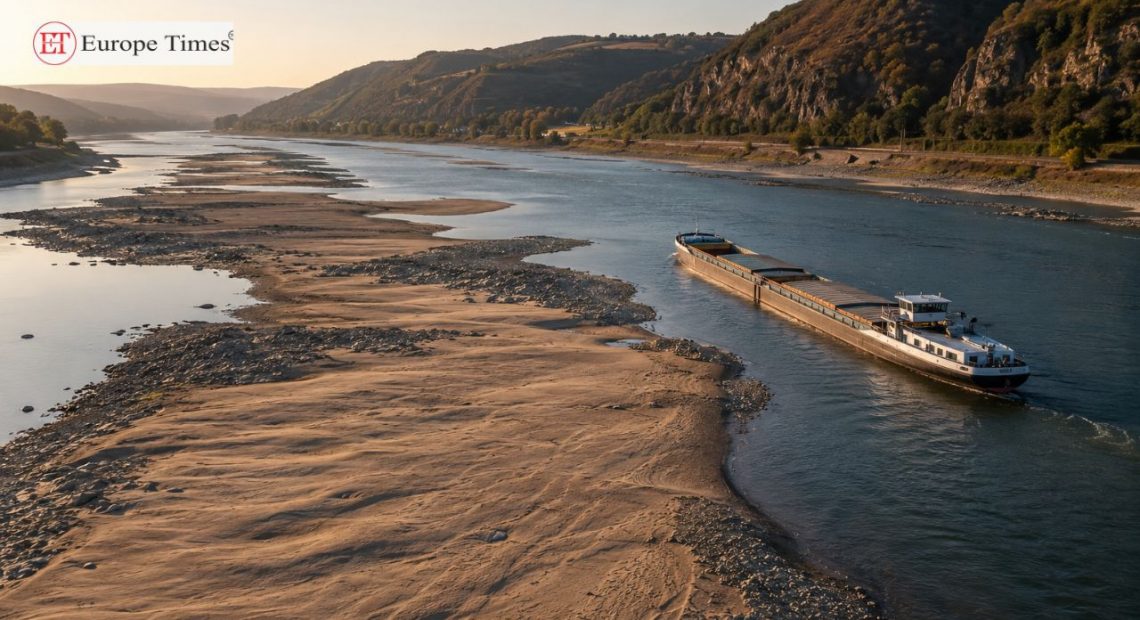
The River Rhine has fallen to record low levels in parts of Germany and the Netherlands as prolonged heatwaves and drought continue to grip Europe. Other major rivers, including the Danube and Italy’s Po, have also recorded historically low water levels, raising concerns over transportation, agriculture, and industrial operations across the continent.

The Rhine, one of Europe’s busiest commercial waterways, is facing severe navigation challenges as low water levels restrict cargo shipping. Authorities have warned that lighter vessel loads, higher transport costs, and potential supply chain disruptions could impact businesses, while the Danube’s shrinking water levels have also affected power generation in countries such as Serbia, Romania, and Hungary.

Experts say persistent high temperatures driven by climate change are increasing evaporation and making droughts more severe. The worsening conditions are threatening freshwater supplies, farming, ecosystems, and energy production, highlighting the growing economic and environmental impact of extreme weather across Europe.

Pic courtesy: google/ images are subject to copyright

featured News Trending

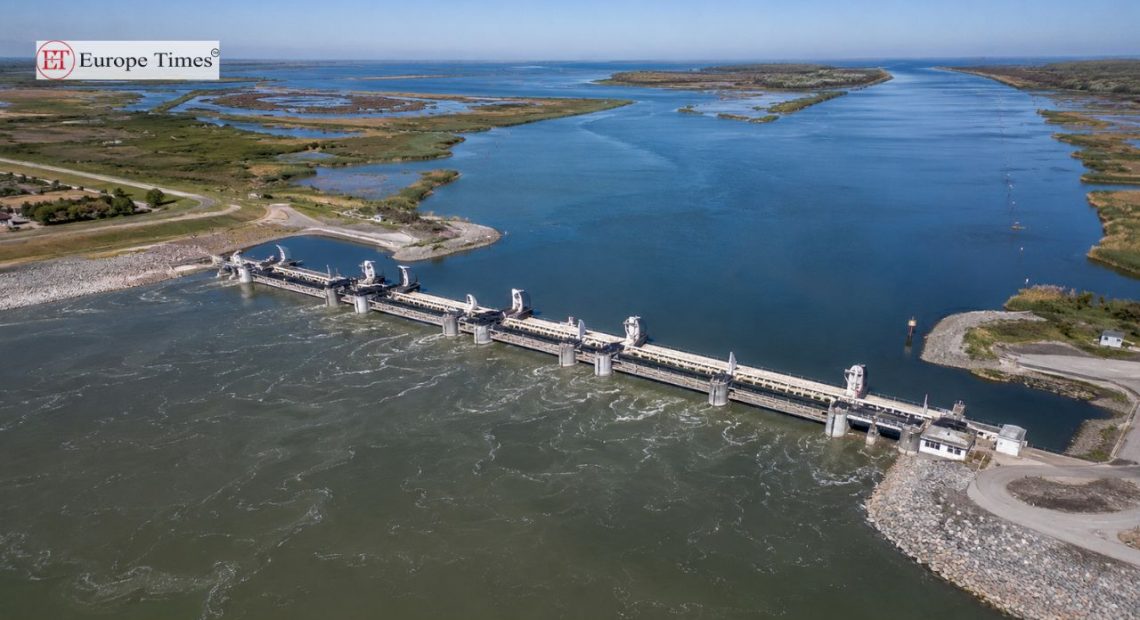
Po River in northern Italy has seen a sharp drop in water flow during an intense European heatwave, allowing seawater from the Adriatic to push as far as 18 km inland. The river’s discharge has fallen dramatically from around 1,000 cubic metres per second to below 300, triggering a “salt wedge” effect in the delta region.

The intrusion is disrupting agriculture and fragile wetland ecosystems, with irrigation canals being shut to prevent saltwater from damaging crops such as maize, rice, soybeans, and sunflowers. Farmers say the situation is worsening earlier than in previous drought years, raising concerns over crop survival during a critical growing phase.

Experts and local water managers warn that climate-driven extreme heat events are increasing both in frequency and intensity, overwhelming existing barriers and water management systems. They note that river flow levels have dropped below previously assumed safe thresholds, intensifying risks for farming communities across the delta.

Pic courtesy: google/ images are subject to copyright