featured News Trending

Spain forward Esther Gonzalez has faced criticism after signing for Saudi Women’s Premier League club Al Qadsiah. The 33-year-old left NWSL champions Gotham FC in July after mutually terminating her contract, with the club saying she was stepping away temporarily for personal reasons. Al Qadsiah later announced her signing, prompting backlash from Gotham supporters and members of the LGBTQ+ community.

The criticism comes amid concerns over Saudi Arabia’s laws, where same-sex relationships and sexual activity are illegal. Fans on social media have questioned Gonzalez’s decision and expressed concerns about her safety, while Gotham supporters have also criticised the circumstances surrounding her departure and the club’s loss of a potential transfer fee. Reports in Spanish media also claim Gonzalez removed photos featuring her wife and child from her social media accounts following the move.

Gonzalez is a 2023 FIFA Women’s World Cup winner and was part of Spain’s squad that finished runners-up at Euro 2025. She previously enjoyed a successful spell with Gotham FC, winning two NWSL titles, the NWSL Challenge Cup and the Concacaf W Champions Cup. Her move follows similar controversy surrounding footballers who have transferred to Saudi Arabia, including former England midfielder Jordan Henderson.

Pic courtesy: google/ images are subject to copyright

News Trending

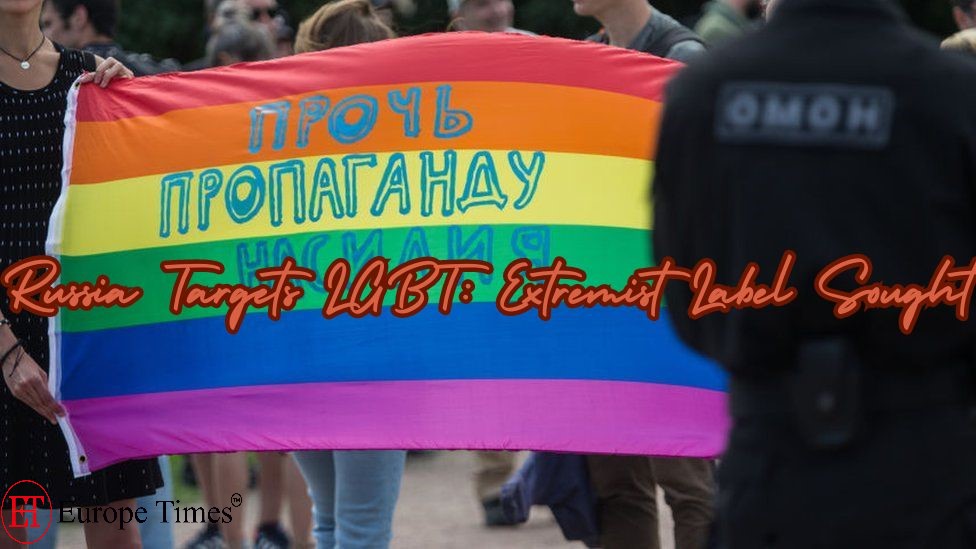
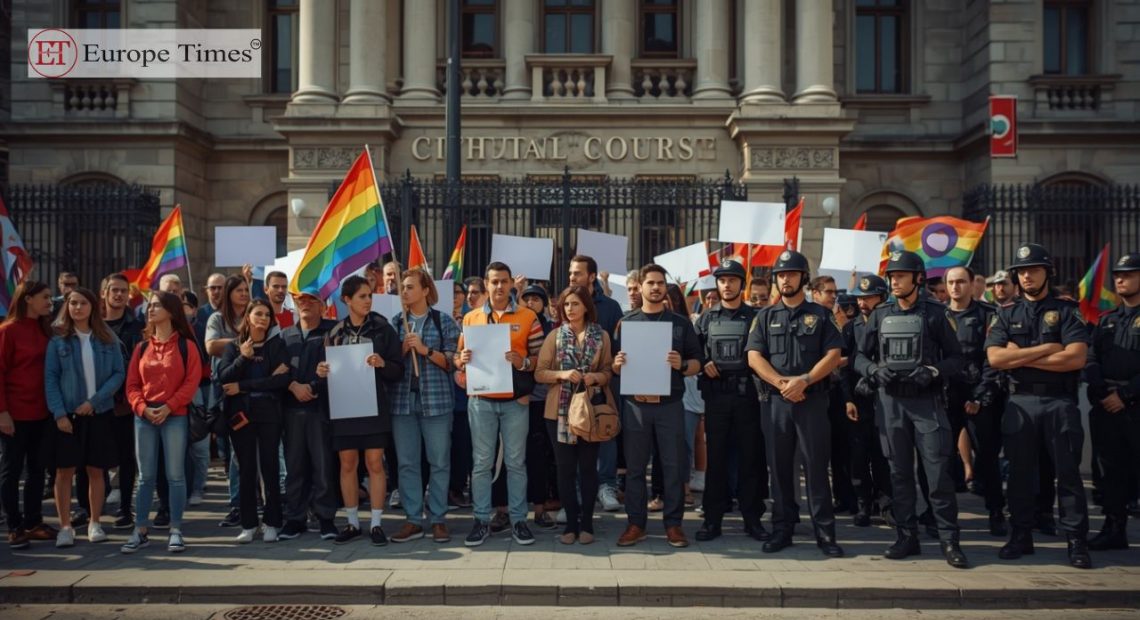
Russia’s Ministry of Justice has officially requested the Supreme Court to classify the “international LGBT public movement” as extremist, leaving the scope of this classification ambiguous – whether it targets the entire LGBT community or specific organizations within it. The ministry contends that the movement has engaged in what it deems as extremist activities, including the incitement of “social and religious strife.” If approved, this move could expose LGBT activists to criminal prosecution, following the pattern of the Russian government’s use of the “extremist” label against rights groups and opposition entities in the past.

The Supreme Court is scheduled to review the motion on November 30, potentially leading to a ban that would significantly impede the operations of LGBT organizations and put activists at serious legal risk. Critics view this as a potential populist maneuver, strategically timed to gain support ahead of an upcoming presidential election, where Vladimir Putin is widely anticipated to run for a fifth term. Under Putin’s leadership, Russia has intensified its crackdown on LGBT activism, framing it as an attack on “traditional Russian values.” This crackdown notably escalated after the invasion of Ukraine in February 2022.

Recent legislative measures further demonstrate this trend, with a December law expanding the prohibition of “propaganda of non-traditional sexual relations” to all age groups, equating positive depictions of same-sex relationships with activities like distributing pornography or promoting violence. In July, additional legislation banned gender reassignment surgery, exacerbating concerns about transgender rights in the country. Despite official claims that “non-traditional sexual relations” are not banned in Russia, this latest move deepens existing concerns within the already vulnerable LGBT community.

The LGBT community in Russia faces dual pressures from both the state and homophobic/transphobic groups, often resulting in physical attacks against activists. Dilya Gafurova, the head of an LGBT charity who has left Russia, highlighted that the authorities aim not only to erase the community from the public sphere but also to formally ban it as a social group. Despite these challenges, Gafurova affirmed the community’s determination to continue the fight for their rights and visibility.

Picture Courtesy: Google/images are subject to copyright