featured Trending

A village-born financier, a global Lions gift and the long argument that prosperity must enrich the soil beneath it.

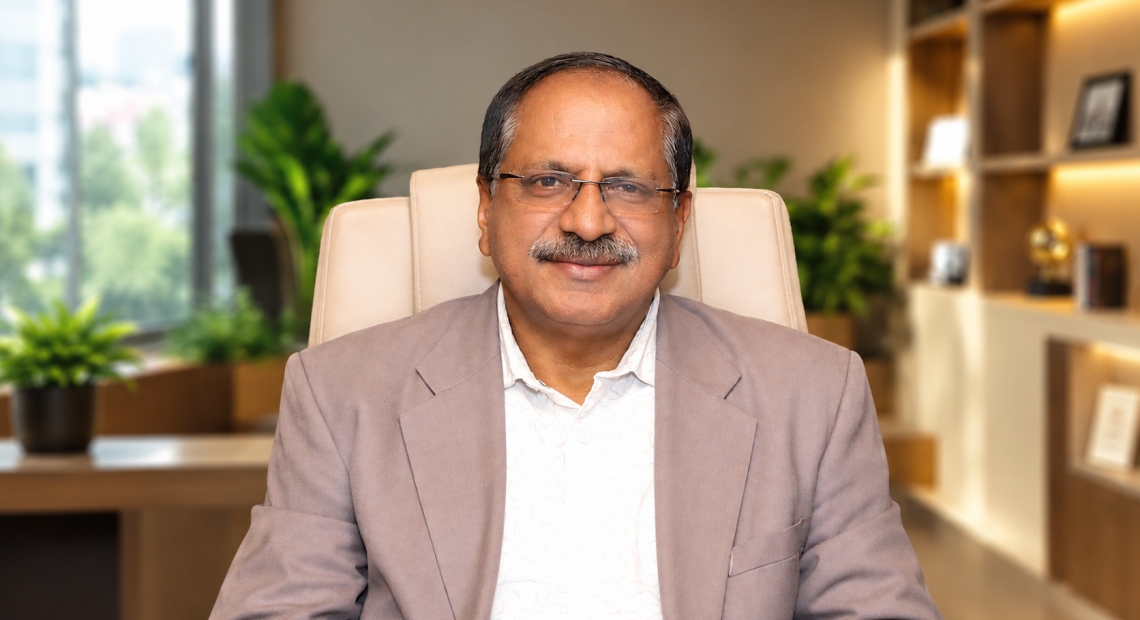
Valapad, Thrissur — In July 2026, Lion V. P. Nandakumar, Chairman and Managing Director of Manappuram Finance Ltd, was recognised on a global stage for a contribution of US$1.5 million to the Lions Clubs International Foundation (LCIF), the charitable arm of Lions International and one of the world’s largest humanitarian service organisations. The recognition came at the Lions International Convention in Hong Kong, where he and his wife, Lion Sushma Nandakumar, were honoured for exceptional humanitarian service. The gift will underwrite LCIF programmes in education, healthcare, disaster relief, youth empowerment, vision care and community development.

Speaking in Hong Kong, Lion Nandakumar said: “Giving back to society has always been at the heart of everything we do. Through this contribution to the Lions Clubs International Foundation, we hope to strengthen humanitarian initiatives that create sustainable and meaningful change in people’s lives across communities. Together, we can build a more compassionate and inclusive future.” The Donation is not a one-off gesture. It is the latest and most international expression of an association with the Lions movement that stretches back more than four decades.

Lion Nandakumar’s ties to Lions Clubs International began in 1981, when he joined the Triprayar Lions Club. He later served as Multiple District Council Chairperson, as a board appointee and as a member of the LCIF Corporate, Foundation and Government Gifts Committee. In July 2019, at the association’s 102nd International Convention in Milan, he was elected International Director. He is now a Past International Director and has received the International President’s Leadership Award, the International President’s Award and the Ambassador of Good Will Award — the highest honour the association confers on its members.

That long association has a practical counterpart at home. In partnership with Lions clubs across Kerala, the Manappuram Foundation runs a housing programme for the homeless and the severely disabled; by late 2025 the collaboration had completed more than 550 houses, with further dwellings under construction. The handover of the 550th home went to a differently-abled beneficiary in Edathiruthy village in Thrissur district. The Lions connection, in this record, is not a ceremonial affiliation. It is the network through which a village trust learned to build at scale — houses, hospital units, flood relief, school kits — without abandoning the local flavour of the original gospel. The US$1.5 million gift to LCIF is the same partnership written in a larger hand.

The Roots Beneath The Reach

That donation is not an exception from Lion Nandakumar’s record. It is the most international expression yet of a philanthropy that still answers to a coastal village called Valapad in Thrissur district, Kerala. Manappuram Finance was founded in 1949 by Lion Nandakumar’s father, Mr V. C. Padmanabhan, in Valapad. From a modest pawnbroking concern it has grown into a non-banking financial company with more than 5000 branches across India. Lion Nandakumar took charge in 1986. He remains Managing Trustee of the Manappuram Foundation, the group’s charitable arm, and has long set aside a substantial share of profit for public purpose. Charity, in his telling, is not an ornament on the business. It is part of the firm’s original bond with the community that first sustained it.

Fabrício Oliveira, Chairperson of the Lions Clubs International Foundation (LCIF), honors Million Dollar Donor V.P. Nandakumar and his spouse Sushama Nandakumar at the Lions International Convention held in Hong Kong

When Lion Nandakumar speaks of giving, the language is local before it is global. His “Gospel of Giving” is rooted in the wellbeing of the neighbourhood: the fishing hamlets, panchayats and small towns around Valapad. The corporate headquarters has never left that village. He has declined to shift it, arguing that proximity is obligation rather than nostalgia. The prosperity of people around the company’s birthplace, he maintains, is a first duty. Beyond that circle lies a wider claim: the poor and the infirm, wherever they are found, deserve organised care.

He has put the idea in the form of a parable. “When a tree grows, its roots will also grow deeper and wider to give it a firm footing. Similarly, when an organisation grows, its prosperity should trickle down to the poor in such a way that it helps create goodwill and brand value among the local populace. Essentially, it provides the company a strong grip on the ground.” An institution’s economic progress, in this view, must register in the neighbourhood as wellbeing, dignity and social harmony.

Before The Statute, A Trust

Soon after he took the helm, Lion Nandakumar concluded that goodwill alone was insufficient. Meaningful intervention required a dedicated instrument. The Manappuram Foundation was constituted in October 2009 as a charitable trust — four years before the Companies Act made CSR spending mandatory for large Indian firms. The vision was concise: healthy, educated and happy communities.

A CSR initiative implemented by Manappuram Foundation in association with LCIF was inaugurated by Lion Gudrun Yngvadottir, LCIF Chairperson, in the presence of V.P. Nandakumar

The first major project was not a ceremonial donation. It was an attempt to close a gap that official schemes had left open. Many below-poverty-line families in the coastal belt of Thrissur were either unaware of existing government health insurance, or unable to pay even the nominal premium. In 2010 the Foundation rolled out the Janaraksha Manappuram Free Health Insurance Scheme. It extended cover of up to Rs 60,000 per family to about 20,000 BPL households — roughly one lakh people — across seven panchayats in the Nattika belt, including Valapad. Over seven years the scheme reimbursed nearly Rs 11 crore in treatment costs, with no age restriction and a wide range of medical procedures. The model predated the Union government’s Ayushman Bharat programme of 2018. It also set the Foundation’s subsequent pattern: identify a local failure of access, fund it properly and stay long enough for the benefit to become visible.

Lives Restored, Not Merely Assisted

Each year the Foundation, drawing on the company’s CSR outlay, attempts to convert that design into individual recoveries. Gopan’s case is one such instance. Bedridden for years after spinal injuries, he left his household in deep distress. With the Foundation’s support he regained his health and now sustains his family through a small business. The episode is typical of the work the Medical Treatment Fund is meant to do: intervene when a medical bill would otherwise collapse a household.

Million Dollar Donor V.P. Nandakumar stands alongside other distinguished donors honoured on stage at the Lions International Convention held in Hong Kong

Similar interventions recur across the Foundation’s case files — dialysis support, assistive devices, scholarships, houses for the landless and the disabled, and seed capital for women who can run a trade if they are given a first chance. The method is unglamorous: identify the person, pay what the system will not, and follow through until the beneficiary can stand without the grant.

The Scale Of The Purse

In FY 2024–25 Manappuram Finance spent more than Rs 46 crore on CSR, meeting and slightly exceeding its statutory obligation. The programmes cut across education, skill development, childcare, art and culture, sports, sustainable livelihood, drinking water and sanitation, digital access, and support for women entrepreneurs. The largest concentrations of money and effort remain healthcare, education and mobility.

Healthcare programmes have reached more than 1.24 lakh people through clinical services, diagnostic infrastructure and community outreach. Education spending has gone into school and academy infrastructure and into scholarships for students from economically weaker families. Under community and environmental heads the Foundation has backed solar installations and waste-management projects. The Chikitsa Sahaya Padhathi, or Medical Treatment Fund, has become the flagship of direct aid. In a single recent year it extended financial assistance to more than 300 patients from BPL and economically weaker households. The wider health brief also covers children with cancer and Type-1 diabetes, persons with intellectual disabilities, burn survivors, the physically challenged and members of the transgender community, as well as palliative care, emergency ambulance services, counselling and psychotherapy, and yoga.

Mobility is treated as a right rather than a concession. The “Wings on Wheels” programme supplies customised three-wheeler scooters to differently-abled beneficiaries; 75 such vehicles were donated in FY 2024–25 alone, at a cost of about Rs 81 lakh. Parallel drives under names such as Sahayathraku Snehasparshamayi have distributed electric wheelchairs to persons with muscular dystrophy and other disabilities. The premise is simple: without movement there is no livelihood, and without livelihood charity becomes a recurring bill rather than a restoration of independence.

Grip On The Ground

In May 2025 Lion Nandakumar received the EdelGive Hurun India Award for Exemplary Leadership in Corporate Social Responsibility. Accepting it, he said that making a difference in even one person’s life is a success in itself. The remark sits beside the tree he likes to describe. The canopy is now a listed NBFC with a national branch network that has made a seven-figure gift to one of the world’s principal humanitarian foundations. The roots are still in Valapad: a health card in a coastal household, a scooter that takes a disabled worker to a shop, a house whose key is handed over by a Lions officer and a Foundation trustee, both standing on the same dais.

V.P. Nandakumar pictured alongside Lion A.P. Singh, International President; Lion Sangeeta Jatia, Board Appointee; and Lion Saju Antony Pathadan, Past Multiple Council Chairperson, Lions International

That is the argument his philanthropy makes, and the standard against which it asks to be judged. Growth that does not thicken the soil beneath it is, in this telling, only height. The work of the Manappuram Foundation — and the Hong Kong recognition that now travels with the Lions movement — is an attempt to prove the contrary: that a firm can rise, give across continents and still keep its footing among the people who first gave it ground.

The landmark donation will continue to support and nature global humanitarian assistance for the needy.

Pic courtesy: Pegaus photography/ images are subject to copyright

Bussiness featured Trending

With extraordinary foresight, relentless drive and an instinctive understanding of consumer aspirations, Gopu Nandilath has transformed a modest 3,000 sq ft electronics store into an expansive retail empire. Today, Gopu Nandilath G-Mart commands a formidable presence with 66 outlets across Kerala, redefining the way the state shops for consumer durables while earning an enduring place in the hearts of generations of customers.

Walk into almost any home in Kerala and chances are high that one will find a television, refrigerator, washing machine, mobile phone or another electronic appliance purchased from Gopu Nandilath G-Mart. From Kasaragod in the north to Thiruvananthapuram in the south, the name has become synonymous with quality, choice, value and trust. Behind this remarkable retail phenomenon is a man whose entrepreneurial instincts have consistently anticipated the changing aspirations of Kerala’s consumers.

Meet Gopu Nandilath, the visionary entrepreneur from Thrissur whose ability to read the market, embrace transformation and turn opportunity into enterprise has scripted an extraordinary business story. More than four decades after he took his first steps into the world of consumer electronics, his passion remains undiminished. In a candid conversation with R L Morris, the business leader looks back on his remarkable journey, the principles that shaped his success, his vision for the future and the passions that add colour to his life beyond business.

A Modest Beginning

Born the seventh among the eight children of N P Govindan, a Sub Inspector in the Kerala Police Department, and Malathi Govindan, a homemaker, Gopu Nandilath was fascinated by electronics from an early age. His ambitions, too, were far bigger than his circumstances.

After completing his schooling at Tharakan’s High School in Aranattukara, he travelled to Delhi to pursue a Diploma in Electronics. After completing his schooling at Tharakan’s High School in Aranattukara, he went to Delhi to pursue a Diploma in Electronics. “I completed my Diploma programme in Delhi,” said Gopu. After completing his studies, he joined the electronics business, which involved the manufacture and sale of television accessories such as antennae, boosters, stabilisers and cables.

It was a fascinating period in India’s consumer history. Television was gradually moving beyond the realm of privilege and entering the homes of the expanding middle class. Gopu was not merely witnessing the change; he was learning to understand it.

A Correct Prediction and the Birth of an Entrepreneur

The 1982 Asian Games in New Delhi proved to be a defining moment in India’s television story. The live telecast on Doordarshan fuelled an unprecedented appetite for television sets, particularly black-and-white models, and Kerala was quick to embrace the new phenomenon.

As television sets began finding their way into Malayali homes, Gopu Nandilath was already studying the transformation taking place around him. He recognised that the growing fascination with electronics was not a passing trend but the beginning of a profound shift in consumer behaviour.

As television showrooms multiplied across Kerala, he decided to take the entrepreneurial plunge.

In 1984, Gopu Nandilath embarked on his business journey by opening a modest 2,000 sq ft showroom on Kuruppam Road in Thrissur, the cultural capital of Kerala. The store dealt in televisions and electronic goods. What appeared to be a modest beginning would eventually become the foundation of a formidable consumer durables empire.

From 3,000 Sq Ft to 30,000 Sq Ft

Once he established his presence in Thrissur, Gopu’s entrepreneurial instincts came to the fore. Expansion followed swiftly, with Gopu Nandilath Agencies opening outlets in Irinjalakuda, Vadanappally, Pattambi, Perinthalmanna, and Mannarkkad.

“We began with electronic items such as television sets, washing machines and refrigerators from prominent brands manufactured in India,” he recalls.

Then came the winds of economic liberalisation in the early 1990s. India began moving towards a more open economy, paving the way for the entry of global brands across various sectors. The transformation was dramatic. International names entered virtually every segment of consumer life, from automobiles and personal care products to televisions, washing machines and refrigerators.

For an entrepreneur who had built his career by reading market signals, this was an opportunity rather than a challenge.

Gopu responded decisively. Gopu Nandilath Agencies began bringing prestigious international brands such as Whirlpool, Samsung, LG and Bosch into its fold. The company was no longer simply selling appliances; it was becoming a gateway through which Kerala consumers could experience a new world of products and possibilities.

2004: The Year That Rewrote Consumer Choices

If the early years established the foundation, 2004 marked a transformational chapter in the history of the enterprise.

As technology began reshaping everyday life, Gopu realised that the conventional showroom model needed to evolve. He embarked on an ambitious revamp, culminating in the launch of the first hi-tech showroom at Poonkunnam in Thrissur.

Gopu Nandilath with his wife, Shiny Gopu, and daughter, Aishwarya Nandilath

Spread across 20,000 sq ft, the showroom represented an entirely new retail experience. The brand was rechristened Gopu Nandilath G-Mart, and the Gopu Nandilath G-Mart Home Appliances Plaza emerged as one of the largest establishments of its kind at the time.

The response was extraordinary. Customers from across Kerala travelled to Thrissur to experience the vast selection, competitive pricing and attractive offers. Until then, consumers were accustomed to visiting smaller outlets where choices were often limited to a handful of brands. G-Mart transformed that experience into something closer to a destination.

A wide range of premium Indian and international brands was brought together under one roof, turning appliance shopping into an engaging retail experience.

“We can proudly say that it was through Gopu Nandilath G-Mart that Kerala consumers gained greater exposure to international brands. We were able to bring a whole range of global electronic brands to the Indian market after the opening of the economy,” says Gopu.

The success of the Poonkunnam model became a catalyst for the group’s expansion across Kerala.

“Change Is Key to Survival”

For Gopu Nandilath, standing still has never been an option.

Asked about the secret of surviving changing market conditions, his answer is immediate: “Change is essential for survival.”

He remembers that when he began his journey, the electronics boom led to the mushrooming of numerous small outlets. Many have disappeared over the years, he says, because they failed to respond to changing market realities.

“Nandilath was fortunate enough because we embraced innovation. It is my policy to upgrade or bring in changes every five years. We have to grow with technological advancements. That is the key to survival,” he says.

That philosophy continues to define G-Mart. From the early days of televisions and refrigerators to the era of smart appliances and artificial intelligence, the organisation has consistently adapted to the changing technological landscape.

Today, even as AI reshapes the consumer electronics industry, Gopu Nandilath is already showcasing products that harness its potential. His belief is simple: innovation keeps a brand relevant, while reinvention keeps it ahead.

Earning a Place in People’s Hearts

For all the emphasis on technology, expansion and business strategy, Gopu believes that the most valuable asset a company can possess is customer trust.

“Our trust in our customers keeps growing. Since its inception more than four decades ago, Gopu Nandilath G-Mart has been able to maintain a loyal customer base that runs into three generations,” he says.

Gopu Nandilath with his wife, Shiny Gopu.

The reasons are clear. Competitive pricing, a wide selection, reputed global and Indian brands, dependable after-sales service and attractive offers have combined to create a retail experience that consumers repeatedly return to.

“In fact, anyone can walk into our showroom and buy a product at a very convenient price, with the assurance that it is of premium quality. Customer satisfaction and happiness have been key ingredients of our success. We have earned a place in people’s hearts and the trust factor has transcended generations,” he says.

Another defining feature of the business model is the absence of middlemen. Products are sourced directly from manufacturers, enabling G-Mart to operate efficiently while passing a substantial part of the benefit to customers through discounts, special offers and gifts.

The Onam season, for instance, brings a spectacular array of incentives. The group’s lucky draw offers include 25 Maruti Suzuki Baleno cars, 100 one-gram gold coins, 100 ten-gram silver coins, 100 LED televisions and 100 washing machines, besides special discounts running into crores of rupees.

Always No. 1

Gopu Nandilath takes considerable pride in the position G-Mart has carved out in Kerala’s consumer durables market.

“I can say with pride that Gopu Nandilath G-Mart has occupied the Number One position among consumer durables in Kerala for several years in succession,” he says.

The scale of the group’s showrooms reflects the ambition behind the brand. Many of its outlets span between 10,000 and 35,000 sq ft, with several more on the expansion map. “This Onam, three more outlets are going to be opened. By December, five new showrooms will be there,” he says. Having established a strong presence in Kerala with 66 showrooms, the company is now setting its sights on 100 outlets across the state, while also exploring opportunities beyond Kerala, with Karnataka emerging as the first step in this expansion.

Despite the scale of the business, Gopu has always placed strong emphasis on maintaining close control over his operations. His approach is rooted in accessibility, customer service and the ability to give every outlet the attention it deserves.

“Wherever you travel in Kerala, there should be a Gopu Nandilath showroom every 30 kilometres. That is our vision,” he explains.

It is a strategy that has served him well. By maintaining a strong presence across the state and keeping a close watch on each outlet, Gopu has built a network that has continued to grow without a single showroom being closed down over the years.

Planning Ahead, Maintaining Momentum

Gopu Nandilath is a strategist who prefers to think several moves ahead.

“I have already laid out the blueprint for the next five years,” he says. The group is also strengthening its online presence, recognising that modern consumers increasingly value convenience and seamless shopping experiences.

For him, the future of retail lies in combining choice, technology, service and convenience. Businesses that understand their customers and respond quickly to their needs will remain relevant, he believes.

At G-Mart, understanding the customer is a structured exercise. A dedicated team studies markets extensively before strategies are formulated. Even the location of a new showroom is selected after analysing population patterns, spending behaviour and other economic indicators.

“We even check the CIBIL indices before zeroing in on a new location,” he reveals.

Managing a large enterprise while continuously exploring new opportunities is no small feat. Yet Gopu remains as energetic and hands-on as ever. He continues to closely monitor consumer behaviour, motivate employees and identify emerging categories.

The group’s entry into laptops and smartphones is another example of that forward-looking approach, adding new dimensions to an already extensive consumer electronics portfolio.

For Gopu, entrepreneurship demands perpetual alertness. A successful entrepreneur must remain sensitive to market fluctuations, anticipate what consumers will need next and introduce products and experiences before competitors do.

Family and Next-Gen Entrepreneurs

Behind every enduring entrepreneurial journey is often a strong support system, and Gopu Nandilath readily acknowledges the role played by his wife, Shiny Gopu.

A partner in the enterprise as well as in life, Shiny has remained a steadfast presence throughout his journey. The next generation, too, has already stepped into the business, bringing fresh perspectives and new-age expertise.

Arjun Nandilath with his wife, Ashvika Arjun, and their son, Adhrith Nandilath

Their daughter, Aishwarya Nandilath, pursued an MBA after completing her Engineering degree and is involved in Sales, Online Marketing and Social Media. Their son, Arjun, completed his MBA in the UK and is responsible for Sales and Marketing in the Mobile and Laptop Division.

Both have taken on their responsibilities with confidence, demonstrating that the entrepreneurial legacy is already in capable hands.

Gopu’s advice to his children when they entered the business was characteristically practical.

“Business is not easy like a bed of roses. But once you enter, it will become a passion,” he told them.

He also impressed upon them the importance of discipline and completing every task without delay.

“Procrastination can prove detrimental to any business as the backlog just keeps piling up. Time will never wait for us. So, we ought to complete all tasks on a daily basis without keeping them for tomorrow.”

He believes that a business has to be nurtured with constant care and attention. Aishwarya and Arjun are now steadily taking the reins of the business, carrying forward the legacy built by their father. “This is what I told them. They have successfully undergone the training and are excelling in what they are doing. I place full confidence in them,” he says with evident pride. More than the business itself, Gopu hopes to pass on the values that have guided his journey — honest, ethical and responsible leadership — so that the next generation can take the company forward with the same commitment and integrity.

In Love with the Beautiful Game

Away from boardrooms, expansion strategies and sales figures, Gopu Nandilath has another enduring passion: football.

His love for the beautiful game dates back to childhood. As a schoolboy, he would eagerly seize every opportunity to play football with friends. The passion has remained undiminished.

He considers himself fortunate to have watched the semi-finals and finals of eight FIFA World Cups, including the latest edition held in the United States.

A passionate admirer of Lionel Messi, Gopu continues to experience the same excitement every time he watches the Argentine maestro in action. Cristiano Ronaldo and Kylian Mbappé are among the other stars whose performances he follows closely.

For a man whose professional life revolves around strategy and competition, football perhaps offers another form of the same thrill: the unpredictability of the game and the exhilaration of staying ahead.

On a Globe-Trotting Spree

Gopu Nandilath is also an enthusiastic traveller who has visited more than 60 countries. His travels have combined business, curiosity and leisure, allowing him to observe different cultures and, importantly, study retail trends around the world.

The United States is among the countries he has visited several times, while New Zealand and Switzerland remain particular favourites.

“There is zero pollution in those two countries and the natural beauty is simply outstanding. That is why I wish to visit them again and again,” he says.

His first international trips took place in 1988, when he travelled to Singapore, Malaysia and the United States. India was still years away from economic liberalisation, and foreign exchange restrictions made overseas travel a very different experience.

For Gopu, travel is more than recreation. It is also research.

“Whenever I visit a country, I invariably visit electronic gadget showrooms there and try to keep abreast of the latest technology and changes, which I implement when I return,” he says.

The habit perfectly captures his entrepreneurial personality: even while travelling, he is observing, learning and searching for the next idea.

A Blessed Encounter

Among his many journeys, one particular experience holds a special place in Gopu’s heart.

In October 2024, during a visit to the Vatican, he was selected by the Sree Narayana Trust of Sivagiri to be part of a delegation attending a global inter-religious meeting hosted by the Vatican.

The occasion offered him the rare opportunity to spend a few moments with Pope Francis, the spiritual leader of more than a billion Catholics worldwide.

Gopu Nandilath presenting an elephant sculpture to Pope Francis during his visit to the Vatican.

Gopu presented the pontiff with a sculpture of an elephant and received his blessing. The memory remains a treasured one, preserved in a photograph of the encounter that occupies a prominent place in the elegant parlour of his residence in Thrissur.

For a man accustomed to meeting business leaders and navigating boardrooms, the encounter represented something altogether different: a deeply personal and spiritual moment that continues to resonate with him.

A Craze of Elephantine Proportions

Like many proud sons of Thrissur, Gopu Nandilath shares a deep fascination with elephants and the grandeur of traditional elephant pageantry.

At one point, he owned 11 tuskers. Three were donated to Guruvayur Temple, while three others passed away. Today, three remain.

Among them is ‘Nandilath Gopalakrishnan’, regarded as the biggest tusker in Kerala and a magnificent presence whenever he takes part in a procession.

His love for animals extends beyond elephants.

For more than two decades, Gopu has maintained a sprawling seven-acre farm at Kundannoor in Wadakkanchery. The property houses around 200 cows of different breeds, more than 100 goats, poultry, canines and exotic birds.

The farm grows grass for the cattle, and the cows collectively produce around 800 litres of milk every day, which is supplied to Milma.

“I have loved animals from a tender age and that is one reason why I wanted to have a farm. We also used to raise cows at our house when I was a child,” he says.

The entrepreneur’s passions do not end with animals. He is equally fond of premium automobiles, with an impressive collection adding another distinctive touch to his lifestyle.

With an instinct for opportunity, an appetite for innovation and an unwavering commitment to his customers, Gopu Nandilath has built much more than a chain of consumer durables stores. He has created a retail legacy that has evolved alongside Kerala itself.

From a 3,000 sq ft showroom in Thrissur to a statewide network of 66 outlets, his journey is a compelling study in foresight, resilience and reinvention. Yet perhaps the most remarkable aspect of Gopu Nandilath’s story is that, even after more than four decades at the helm, the hunger to evolve remains undiminished.

His empire may have grown from one showroom to a formidable retail network, but the philosophy at its heart remains unchanged: understand the customer, anticipate the future, embrace change and never stop moving forward.

And so, with integrity as his foundation, vision as his compass and an extraordinary zest for life as his driving force, Gopu Nandilath continues his winning streak—one showroom, one innovation and one customer at a time.

Pic courtesy: Pegasus/ images are subject to copyright

featured News

The Unique Times and DQUE Watches Teen India Glam World 2026 celebrated the spirit of young talent, confidence, and determination, bringing together aspiring achievers from across the country to showcase their personality, intelligence, and charisma. The grand event was held on August 9, 2026, at Le Méridien Kochi, organized by Pegasus Global Pvt. Ltd.

Aditri Gouri (Kerala) was crowned the winner of Teen India Glam World 2026, while Bhanu Bhaskaran (Kerala) secured the First Runner-Up position and Aishwarya Asheed was named the Second Runner-Up. Last year’s winner, Alona Angel James, crowned the winner. The First Runner-Up was crowned by Ishani Laiju, Teen India Glam World 2023, while the Second Runner-Up was jointly crowned by SAJ Group of Hotels Director Annie Varghese and Parakkat Jewels Managing Director Preethi Parakkat. The crowning took place in the presence of Dr. Ajit Ravi, Founder and Chairman of Pegasus Global Pvt. Ltd.

The contestants were evaluated by an eminent panel of judges comprising Geethu Christy, pageant winner and personality development mentor; Pooja Mohan, Mrs India Global and Mrs Glam World 2023; Dr. Varna Sampath, Mrs India Global 2026; and Reji Bhaskar, celebrity fashion photographer. Their expertise and experience played a vital role in selecting the winners of the prestigious competition.

Teen India Glam World serves as a platform where talent meets determination and confidence takes center stage, inspiring young individuals to pursue their dreams while celebrating excellence, grace, and leadership. The event once again highlighted the commitment of Pegasus Global Pvt. Ltd. to empowering the next generation of achievers.

Sub Titles

  1. Teen India Popularity Queen – Ameya P D
  2. Teen India Talent – Aishwarya Asheed
  3. Teen India Inspiring – Anaya Teres Biju
  4. Teen India Vivacious – Kanchana S
  5. Teen India Ramp Walk – Ritu Rakesh
  6. Teen India Congeniality – Sanjana S
  7. Teen India Fashionista – Bhanu Bhaskaran

The powered by partners were FICF, SAJ Group Hotels & Resorts, Alcazar Watches, Vibe Munnar, Parakkat Resorts, Green Media, and Bright Outdoor Media Ltd, whose support contributed to the success of the event. The event’s co-partners included DQUE 78 TFM Grade One Soap, Aiswaria Outdoor Media, Europe Times, UT World, Times New, uniquetimes.org, Vikas VKS Make-Up Artist, Snapshot Wedding Company, JD Institute of Fashion Technology, Akshay Inco, and VKS Beauty and Bridal Lounge.

More than just a beauty pageant, the platform encourages participants to embrace confidence, develop their individuality, and strive for excellence. The event concluded on a high note, celebrating the achievements, aspirations, and remarkable potential of young talents from across India.

Pic Courtesy: Pegasus Photography/ images are subject to copyright

featured News

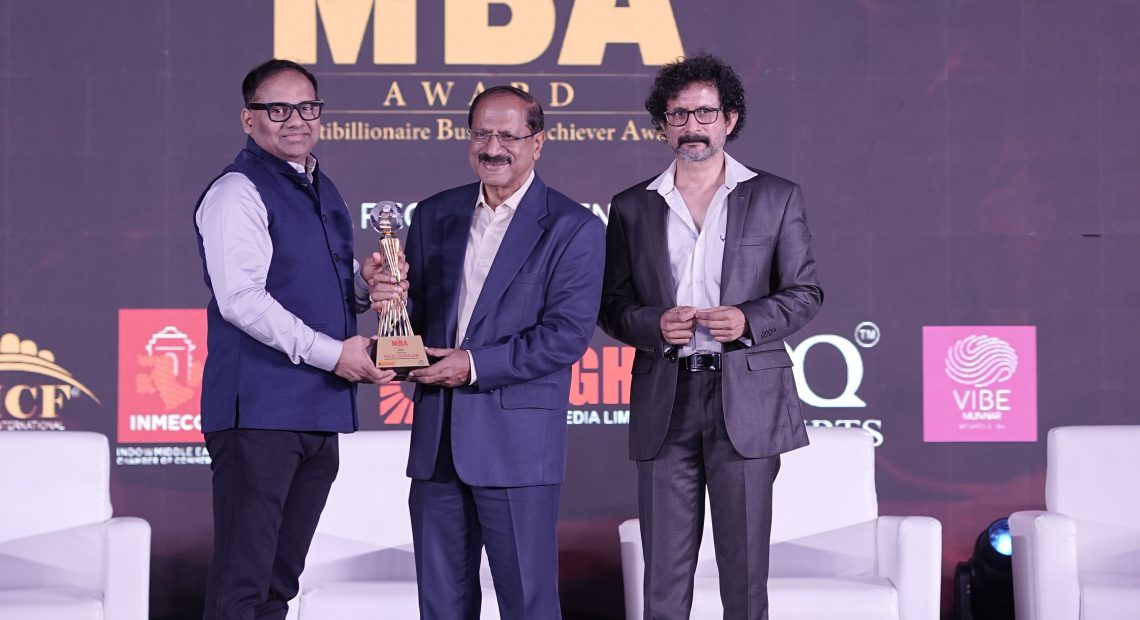
Baiju Gopalan, Managing Director of Sree Gokulam Group of Companies, was honoured with the 22nd edition of the Manappuram Unique Times Multibillionaire Business Achiever (MBA) Award at a grand ceremony held at Le Méridien Kochi on August 9, 2026. The prestigious award was presented by Shri V. P. Nandakumar, Chairman and Managing Director of Manappuram Finance Ltd., and Dr. Ajit Ravi, Founder of Pegasus Global Pvt. Ltd., the MBA Award, and the Federal International Chamber Forum (FICF).

As the Managing Director of Sree Gokulam Group of Companies, Baiju Gopalan has played a key role in expanding the group’s presence across sectors such as finance, automobiles, hospitality, healthcare, education, real estate, media, and entertainment. Through his visionary leadership and focus on innovation, he has strengthened the conglomerate’s reputation as one of India’s leading business groups. Serving as the Global President of the Indian World Wide Chamber of Commerce, he actively promotes international trade and collaboration while championing initiatives in education, healthcare, women empowerment, environmental sustainability, disaster relief, and community development.

With this honour, Baiju Gopalan joins the elite ranks of the Federal International Chamber Forum (FICF), an exclusive global business forum comprising business leaders with assets exceeding ₹1,000 crore and a strong commitment to social responsibility. Moreover, it is the only exclusive club for the affluent in the world that does not charge any membership fee.

Instituted to recognize visionary entrepreneurs with outstanding business achievements and social contributions, the MBA Award has previously been conferred upon Shri V. P. Nandakumar, Shri Joy Alukkas, Shri M. A. Yusuff Ali, Shri T. S. Kalyanaraman, Shri P. N. C. Menon, Shri Gokulam Gopalan, Dr. Ravi Pillai, Shri M. P. Ramachandran, Shri Kochouseph Chittilappilly, Shri Sabu M. Jacob, Dr. Viju Jacob, Dr. A. V. Anoop, Dr. Varghese Kurian, Adv. P. Krishnadas, Dr. Hafeez Rahman, Shri Soundararajan Bangarusamy, Shri V. R. Muthu, Shri V. C. Praveen, Dr. Arun N. Palaniswami, Shri C. K. Kumaravel, Shri T. K. Chandiran, Sir Sohan Roy SK, Dr. Vijay Sankeshwar, Dr. Siddeek Ahmed, and Dr. Yogesh Lakhani.

The MBA Award remains one of the country’s most prestigious honours, celebrating business leaders whose entrepreneurial vision and social commitment have created a lasting impact on society.

Pic Courtesy: Pegasus Photography/ images are subject to copyright

Interview News Trending

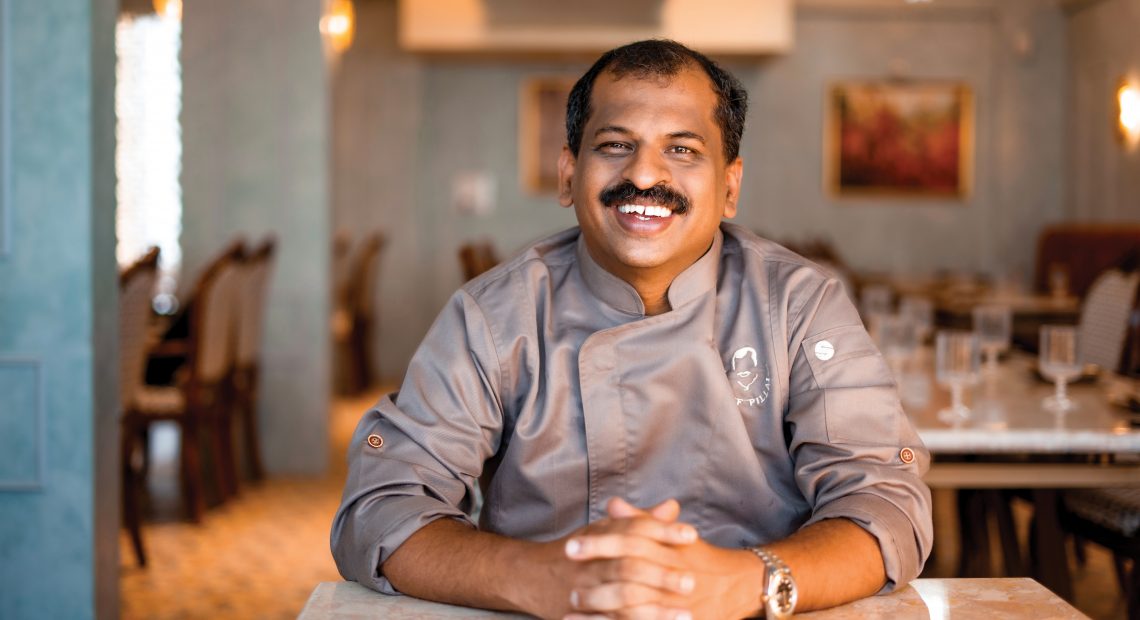
Brands dominate our lives in this social media era, yet the captivating stories behind their rise often remain untold. One such story is that of Chef Pillai, whose journey to fame is truly remarkable. Much like the legendary alchemists who transformed base metals into gold, Chef Suresh Pillai has achieved a golden touch in the culinary world through his passion, skill, and relentless pursuit of excellence over more than three decades. From the shores of Ashtamudi Lake in Kollam, his path has led him to kitchens around the globe, making him a culinary wizard committed to both innovation and tradition. Join us as we unveil the secrets behind Chef Pillai’s culinary mastery, the creation of his brand, and his transformation into a successful entrepreneur.

Chef Pillai

Tell us about that remarkable journey of transformation that began on the shores of the Ashtamudi Lake?

My journey from Suresh to Chef Pillai began in a quaint village in the backwaters of Kollam district. Born into an ordinary family, I stumbled into the culinary world by chance after completing Class X. Circumstances at the time prevented me from pursuing formal education in the field. However, as I immersed myself in the kitchen, I discovered a natural talent for cooking and became fascinated by its endless possibilities.

My fortunes took a positive turn in 2005 when I traveled to the UK for work, armed with 15 years of experience and a strong work ethic. Initially, I went by my name, Suresh Pillai, but due to the importance of surnames for work permits, I soon became known as Mr. Pillai. At Veeraswamy, England’s first Indian restaurant established in 1927, I was the sole representative of Kerala cuisine among chefs and staff from North India, earning the moniker “Chef Pillai.”

Venturing into social media, I faced difficulties creating an account as “Suresh Pillai,” leading me to adopt the persona of Chef Pillai. Despite never envisioning a return to India while enjoying life abroad, my fame grew through social media and appearances on BBC’s Masterchef, paving the way for recognition as Chef Pillai in my homeland.

In 2017, an opportunity to work in Kerala at The Raviz Hotel in Kollam prompted a return. Initially, the plan was to go back to England after the contract ended, considering our citizenship status and children’s happiness. However, fate had other plans, leading to the decision to establish my own venture in Bangalore post-COVID. Within six months, another restaurant opened in Kochi’s Le Meridien, owned by the Marriott Group—yet another milestone. Within a year, four more enterprises were started, including one in Qatar.

Transitioning from chef to entrepreneur proved challenging, requiring attention to various aspects beyond culinary skills, such as marketing and finance. Despite the hurdles, my vision of promoting Kerala’s flavours worldwide fueled the expansion of my restaurant empire. With the support of investors and a dedicated team, I am on the verge of completing 60 restaurants this year, following three years of development. Each establishment will offer a diverse array of tastes and price ranges.

The journey from Suresh to Chef Pillai symbolizes not just personal growth, but also a commitment to sharing the essence of Kerala cuisine on a global scale. And the journey still continues.

What circumstance led to your journey to Britain?

I had always dreamed of venturing to Europe, America, or Australia, despite receiving numerous job offers in the Middle East. I held out for the chance to fulfill my European aspirations, and that opportunity finally came in 2005. While working at Kumarakom, I received a call summoning me to Mumbai for an interview for a job in the UK. After five days of interviews, I was selected, and within a week, I found myself in London.

Securing a position at Veeraswamy, England’s first Indian restaurant, was a significant milestone. Amidst a vast array of chefs, I was chosen as the sole representative of Kerala cuisine—a role that exposed me to new experiences and learning on an international scale. Reflecting on my career, those 15 years spent in the UK remain some of the most valuable and formative.

What aspect of your culinary journey has brought you the greatest joy and fulfillment?

Establishing eleven new brands, launching sixty successful restaurants, and fostering a sense of community among over a thousand individuals in just three years has been the most rewarding aspect of my career. Throughout my professional life, I have received numerous awards and recognitions for my culinary expertise and letters of commendation from various distinguished personalities.

However, the greatest joy and satisfaction over the past thirty years have come not just from the work itself, but from the opportunity to contribute significantly to the livelihoods of many families. This has been the most fulfilling part of my journey, bringing me immense happiness and contentment.

What are the secret ingredients to becoming an exceptional chef?

To become an excellent chef, one must have a passion for the culinary art. The willingness to continually learn new things and the humility to acknowledge that there is always more to learn are essential. It’s not enough to just study; practical experience is crucial for gaining a deeper understanding. Trying to correct mistakes and improve based on our knowledge gaps is necessary. If we accept and acknowledge our inadequacies, we can strive to achieve excellence. Otherwise, if we assume that our learning is complete, success will always elude us. Success comes from adapting and incorporating lessons from our experiences, both good and bad, into our practices.

Could you define the learning and training phase that moulded Chef Pillai?

In my experience, pursuing a formal course over several years can certainly be beneficial. However, I’ve also come to recognise that proficiency can be achieved through dedication and effort alone. Despite not having studied Hotel Management, I’ve ascended to senior positions in prominent hotels and restaurants, albeit with numerous challenges along the way. This isn’t to discount the value of education; rather, it emphasises the importance of how one applies their knowledge and skills. I’ve encountered individuals who, despite obtaining degrees and undergoing training, failed to excel. What truly matters is the mindset we cultivate between learning and practice, remaining open to the lessons that surround us. Whether it is skills acquired from humble beginnings or insights gained from observing others, embracing continuous learning and adaptation is key, particularly in an ever-evolving industry.

In your global palate-hopping journey, what is your favourite dish?

During my three decades as a chef, I’ve had the privilege of sampling a vast array of dishes from around the world, ranging from the most refined to the simplest fare. Each culinary creation originates from the culture of the country, shaped by its landscape, climate, and the customs of its people, evolving over the years. If one can appreciate the history behind it and savour it with understanding, everything will taste not only delicious but also fascinating. Personally, I hold a deep appreciation for the diverse flavours of Kerala cuisine, but I also have a penchant for Japanese food due to its health benefits and nuanced flavours.

Are you planning any specific initiatives to support economically and educationally backward individuals aspiring to enter the culinary sector?

Undoubtedly, with the widespread presence of Malayalis globally, there has been a remarkable surge in the popularity of Kerala cuisine among enthusiasts worldwide. This trend presents a significant opportunity for Malayalis, whose upbringing and intimate knowledge of Kerala’s culinary traditions uniquely position them for success in the field. Acknowledging this potential, I am committed to establishing a skill center or academy that offers comprehensive, hands-on training alongside theoretical study. The aim is to equip individuals of all ages with the essential skills needed to thrive in the culinary industry.

This initiative seeks to provide accessible education and employment opportunities, transcending traditional four-year courses and catering to the diverse needs of aspiring chefs. With the imminent launch of numerous restaurants and my vision to establish a hundred establishments, these initiatives are geared towards empowering individuals to pursue fulfilling careers in the culinary arts, irrespective of their background, age, or circumstances.

Chef Pillai

What does ‘skill training’ entail?

Let me illustrate with an example. ‘Appam’, a cherished delicacy among Malayalis, holds a special place in many hearts. Crafting a delicious and well-made appam involves a meticulous process: grinding rice flour, preparing a batter, fermenting it for several hours, and skillfully cooking it to perfection.

While many may be familiar with the basics of preparing appam, the true skill lies in maintaining consistency and quality with every batch. A skilled chef can expertly manage the fermentation process, ensuring that each appam maintains the desired level of sourness, even as the quantity of batter varies. This level of precision, coupled with the ability to cook without over or undercooking, requires not just practice, but honed skill.

Mastering this art can lead to a respectable income, potentially around Rs 35,000 per month. It’s a testament to the value of culinary expertise and the rewards that come with dedication and skill in the kitchen.

How does cooking time differ across countries? Could you share your experiences working with renowned chefs worldwide?

Upon arriving in the UK, I had to reevaluate certain culinary practices, particularly the notion of precise cooking times. While in Kerala, flexibility with cooking durations, such as in prawn curry, may be acceptable, international kitchens demand precision. Even a slight deviation in timing or spice levels can significantly affect a dish’s quality. Unlike Kerala, where taste reigns supreme, international kitchens prioritize consistency and strict adherence to predefined standards. My experiences collaborating with top chefs globally have emphasized the critical role of precision and consistency in attaining culinary excellence.

All of Chef Pillai’s restaurants uphold international standards. How can ordinary folks enjoy Chef Pillai’s flavours?

Indeed, this question has been asked by many, and my aspiration has always been to make my culinary creations accessible to everyone. One strategy has been to establish a premium brand, Chef Pillai, which has facilitated partnerships with esteemed establishments like Marriott. While the premium brand has opened doors to new opportunities, my ultimate goal is to offer high-quality cuisine at affordable prices. In upcoming projects, I aim to introduce dining options that cater to a budget-friendly range, with the ultimate vision of creating restaurants where meals are priced at Rs. 100. This endeavor is currently in progress, with a focus on maintaining the high standards set by our existing ventures.

Can we anticipate the establishment of a Chef Pillai Institute in the future?

Absolutely. Efforts are underway to bring this vision to life as soon as possible. Establishing an academy dedicated to culinary arts will provide aspiring chefs with the training and skills they need to excel in the field. My goal is to preserve traditional recipes and culinary heritage while imparting knowledge to future generations. Creating the Chef Pillai Institute is a tangible step toward achieving this goal, ensuring that our culinary legacy endures for years to come.

Picture Courtesy: Pegasus Photography/images are subject to copyright

News Trending

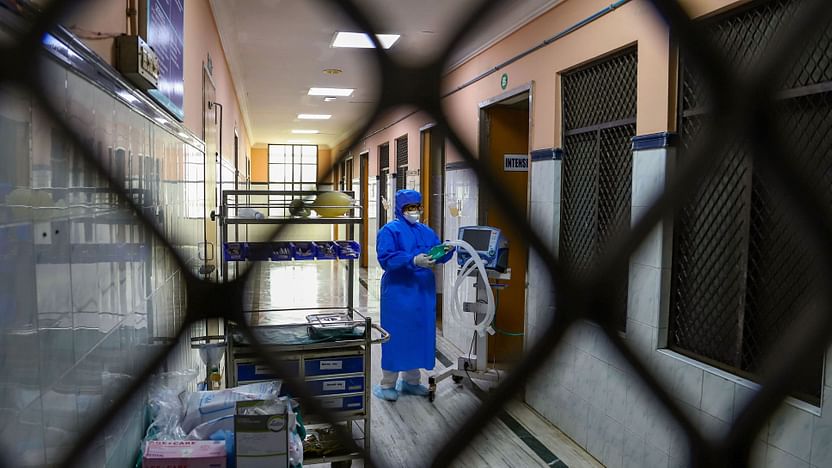
With the experience the state learned from its fight against the disastrous Nipah virus outbreak – which claimed several lives in the state, the state has erected a strong defence wall against the Covid-19 outbreak – which has brought the world in a complete standstill situation.

Several International organisations have appreciated the foolproof model adopted by the state to fight the present virus outbreak.

They have found the Kerala model even better than the models put forth by several western countries including the North American country of the United States of America.

Kerala has invested too much time in educating its people about the threat. It is where the state has found its victory. It has used all available possibilities – including the possibility of social media – to reach up to the people with all necessary directions.

The state’s aggressive contact tracing method has also helped the state to contain the spread of the virus to an extent.

Other states in the country have several things to learn from this tiny state situated in the southern tip of the Asian country of India.

At present, the Kerala health infrastructure is one of the most advanced health infrastructures in the country.


Photo Courtesy: Google/ images are subject to copyright