featured News Trending

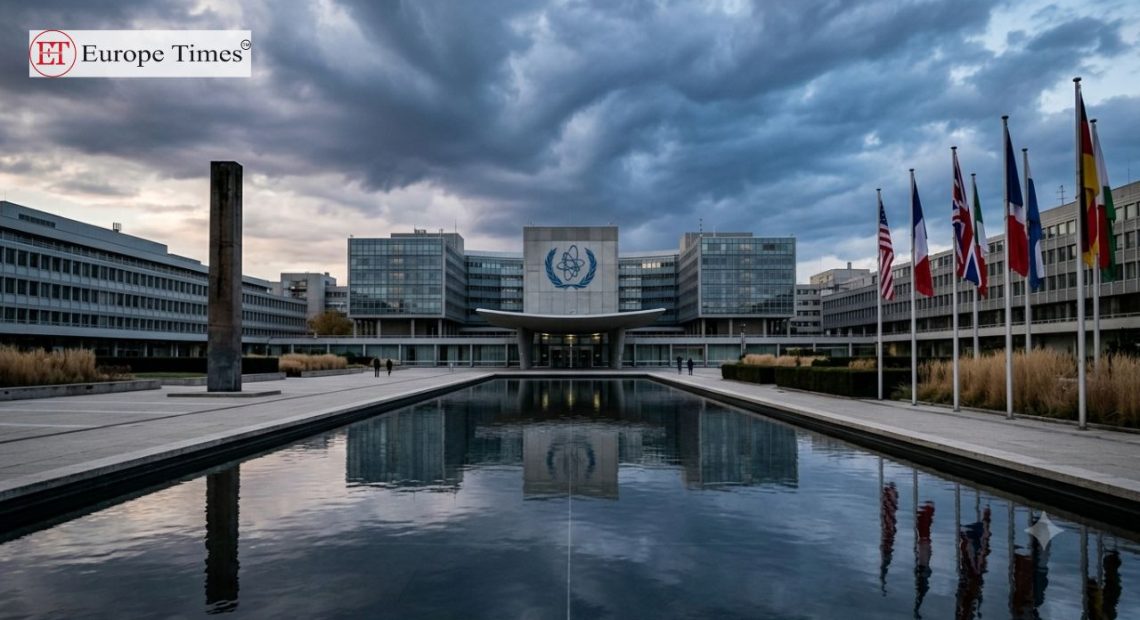
International Atomic Energy Agency (IAEA) chief Rafael Grossi on Monday urged Iran to “re-engage” with the U.N. watchdog so inspections can resume at nuclear sites bombed by the U.S. and Israel a year ago. Iran has yet to inform the agency about the fate of those damaged facilities or the highly enriched uranium—including material close to weapons-grade—stored there. While some basic monitoring continues at the Bushehr power plant, Grossi revealed that the broader channel of communication with Tehran is essentially broken due to safety concerns and escalating regional hostilities.

Concurrently, the United States, alongside Britain, France, and Germany, is driving a draft resolution at the IAEA’s 35-nation Board of Governors. The resolution demands that Iran provide precise information regarding the bombed sites and its enriched uranium stockpiles “without delay.” While expected to pass, diplomats warn that the measure could heavily complicate sensitive, ongoing negotiations between Washington and Tehran aimed at extending a fragile ceasefire and discussing the future of Iran’s nuclear program.

Iran’s mission to the IAEA strongly condemned the Western pressure, arguing on social media that the board is being weaponized to absolve the perpetrators of the 2025 airstrikes. Tehran warned that coercion and confrontation will only undermine diplomatic prospects, a stance that historically signals a potential escalation of its nuclear activities. The diplomatic friction unfolds amid fresh military exchanges between Israel and Iran, despite U.S. President Donald Trump’s demands for an immediate halt to the strikes.

Pic courtesy: google/ images are subject to copyright

featured News Trending

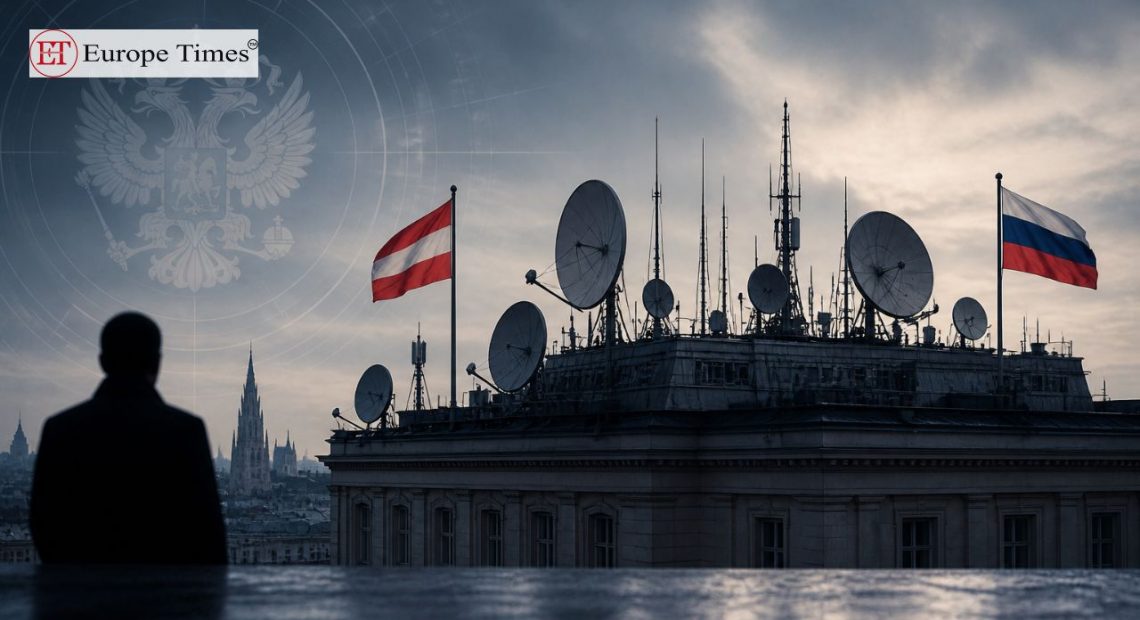
Austria has expelled three Russian diplomats over concerns they were involved in signals intelligence activities, citing suspicious satellite installations on diplomatic buildings in Vienna. Authorities flagged an “antenna forest” of satellite dishes, believed capable of intercepting communications, as a potential security threat.

Foreign Minister Beate Meinl-Reisinger said the misuse of diplomatic immunity for espionage was unacceptable, confirming the diplomats had already left the country. The move brings the total number of Russian diplomats expelled by Austria since 2020 to 14. While officials did not disclose detailed intelligence findings, concerns had reportedly been raised for years about the scale and nature of the installations.

Russia has reacted strongly, warning of a firm response. Vienna, home to major international bodies like the International Atomic Energy Agency and the Organization for Security and Co-operation in Europe, has long been known as a hub for diplomatic and intelligence activity due to its dense concentration of foreign missions.

Pic courtesy: google/ images are subject to copyright

featured News Trending

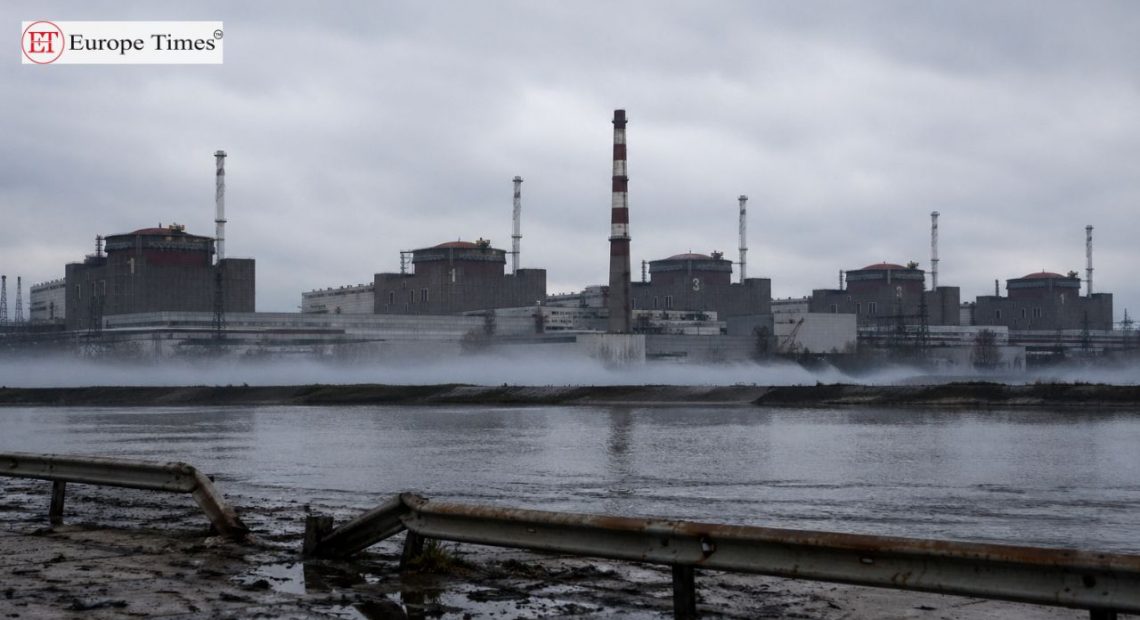
An employee at the Zaporizhzhia Nuclear Power Plant was killed following a drone strike, according to Russian-installed management at the site. The incident reportedly occurred when a drone hit the plant’s transport department, resulting in the death of a driver.

The facility, located in Russian-controlled territory in Ukraine, has remained a focal point of concern due to ongoing conflict in the region. Authorities said the attack was carried out by Ukrainian forces, though the situation remains tense and under close international scrutiny.

The International Atomic Energy Agency confirmed that its team stationed at the plant will investigate the incident and continue monitoring safety conditions. Director General Rafael Mariano Grossi emphasized that any military action near nuclear facilities poses serious risks and should be strictly avoided.

Pic courtesy: google/ images are subject to copyright

News Trending

A government spokesperson in Japan has expressed the country’s welcome to the European Union (EU) potentially lifting restrictions on food imports that were imposed after the 2011 nuclear accident caused by an earthquake and tsunami. According to a report in the Nikkei newspaper, the EU is in the final stages of removing all restrictions on Japanese food, although the sources for this information were not disclosed.

The bans on food imports have been in effect since the Fukushima Dai-ichi nuclear plant was damaged by the earthquake and tsunami, resulting in multiple meltdowns. The spokesperson, Mr Hirokazu Matsuno, stated during a Tokyo press conference that the Japanese government appreciates the positive steps toward lifting the restrictions. It is hoped that easing the restrictions will contribute to the reconstruction efforts in the areas devastated by the nuclear disaster.

The 2011 earthquake and tsunami tragically claimed the lives of nearly 20,000 people along Japan’s Pacific coast. The meltdowns at the Fukushima nuclear plant led to the evacuation of tens of thousands of residents.

This news about the potential lifting of restrictions comes just before the visit of Rafael Mariano Grossi, the chief of the International Atomic Energy Agency (IAEA), to Japan. During his visit, Grossi will present the findings of the IAEA’s safety review regarding Japan’s plan to release water from the Fukushima nuclear power plant into the ocean. The Japanese government intends to release 1.3 million metric tons of water that has been exposed to radiation inside the damaged power plant after removing most of its radioactive elements.

The water to be released contains traces of tritium, an isotope that is difficult to remove from water and has primarily been used to cool the damaged reactors. The IAEA plans to establish an office at the Fukushima plant during Grossi’s visit, indicating its ongoing involvement and oversight of the situation.

Picture Courtesy: Google/images are subject to copyright