featured News Trending

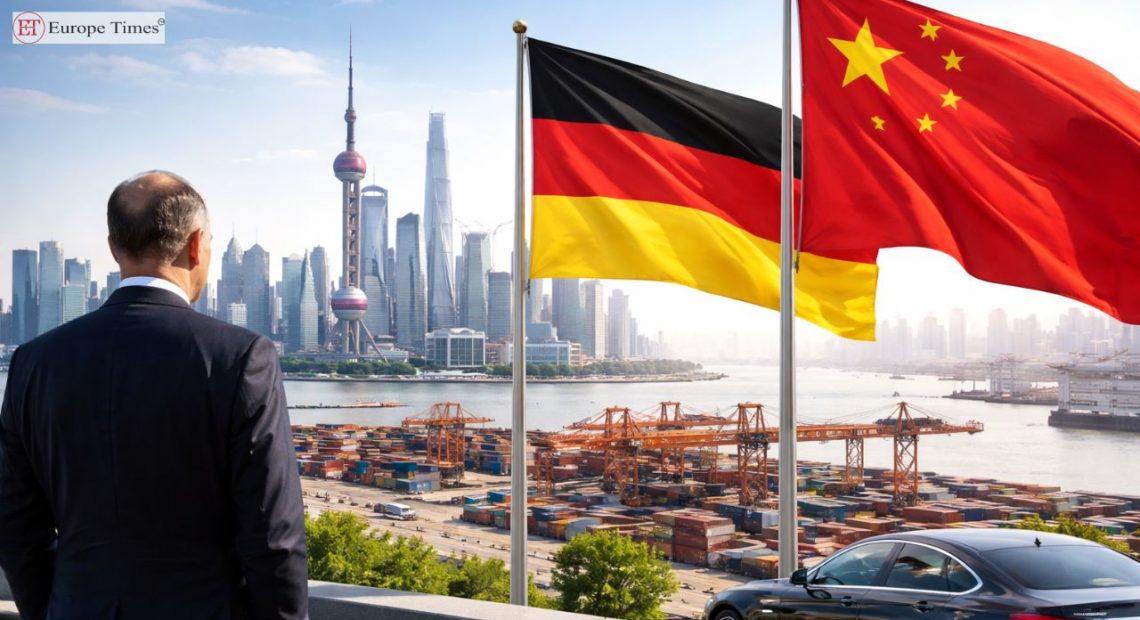
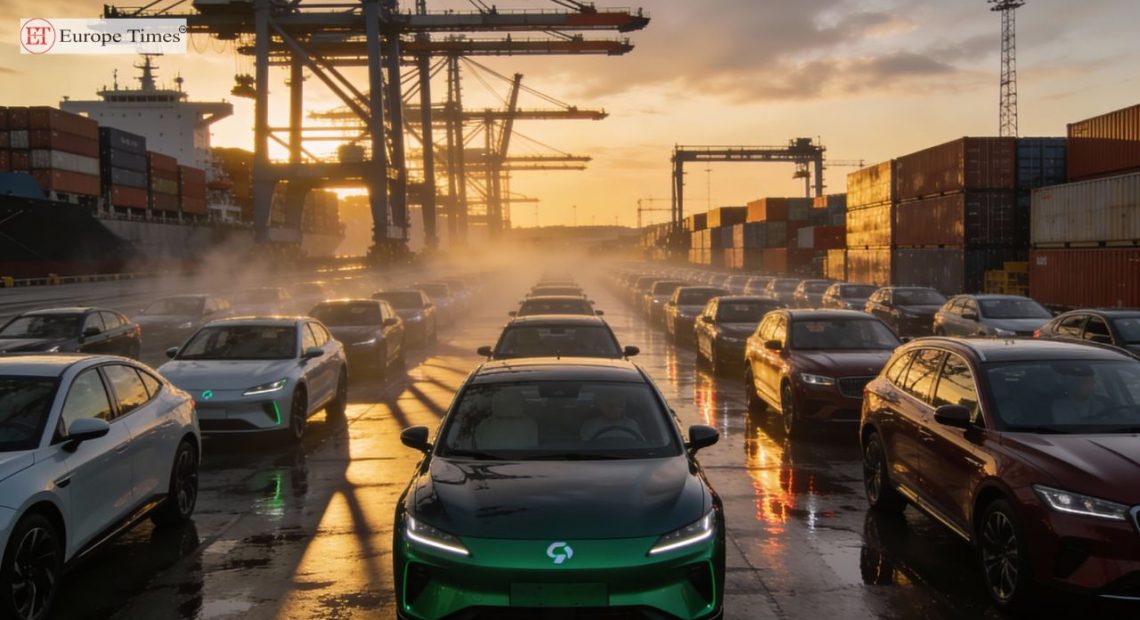
German Chancellor Friedrich Merz has embarked on his first official visit to China, leading a delegation of senior German business leaders, including heads of Volkswagen, BMW, and Mercedes-Benz. The trip aims to strengthen economic ties as Germany faces growing trade deficits and competitive pressures from China’s booming electric vehicle industry. Merz’s visit comes amid concerns over supply chain vulnerabilities and global economic rivalry.

China, Germany’s largest trading partner in 2025, has reversed years of trade surpluses, leaving Germany with a deficit of nearly €90 billion. German officials warn that export controls, overcapacity, and rising competition from Chinese firms have created a challenging environment for German manufacturers, prompting calls for Merz to negotiate better terms for industry.

During his visit, Merz is scheduled to meet President Xi Jinping and Prime Minister Li Qiang, signing economic agreements and visiting major facilities, including a Mercedes-Benz EV plant and Siemens Energy site. The trip reflects Germany’s strategic effort to balance trade relations with China while addressing EU measures protecting local industries from underpriced imports.

Pic courtesy: google/ images are subject to copyright

featured News Trending

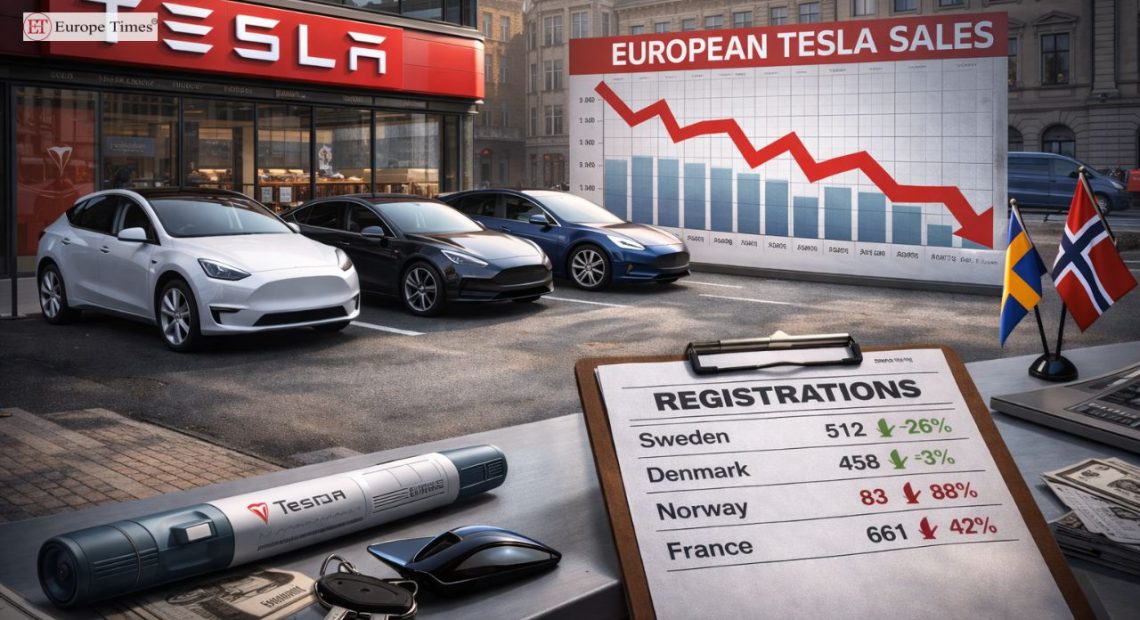
Tesla’s car registrations across key European markets showed little sign of a strong recovery in January, traditionally a slow sales month. While registrations increased in Sweden and Denmark compared to the same period last year, they fell sharply in France and Norway, highlighting uneven demand across the region.

In Sweden, Tesla registrations rose 26% to 512 vehicles, and in Denmark they edged up 3% to 458 units. However, sales dropped steeply in Norway—down 88% to just 83 vehicles—and declined 42% in France to 661 registrations. These figures come after Tesla’s European market shrank by 27% in 2025.

Despite launching cheaper versions of the Model Y and Model 3 to counter an ageing lineup and rising competition from rivals like China’s BYD, Tesla has struggled to regain momentum. Analysts say reputational issues linked to CEO Elon Musk’s political affiliations in Europe may also be weighing on the brand’s recovery, even as overall electric vehicle sales in the region improve.

Pic courtesy: google/ images are subject to copyright

featured News Trending

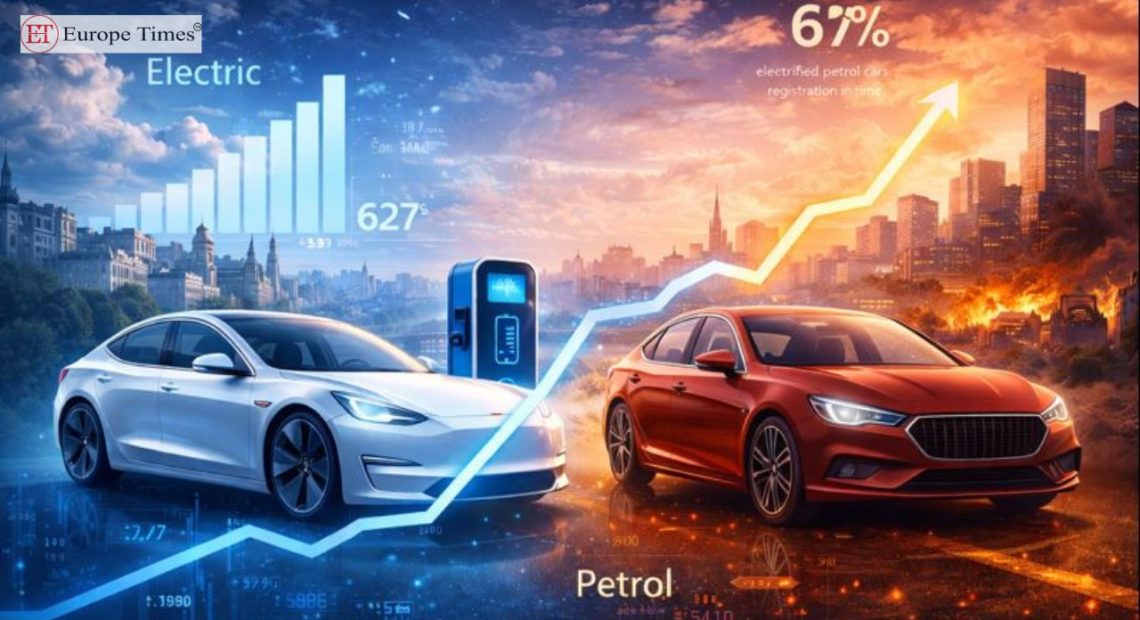
Sales of fully electric cars in the European Union surpassed petrol vehicle sales for the first time in December, according to data from industry body ACEA. Battery-electric vehicle registrations also exceeded petrol sales across the wider European market, including Britain and Norway, as overall car sales posted a sixth consecutive month of year-on-year growth. Electrified vehicles—including battery-electric, plug-in hybrid and hybrid models—accounted for 67% of all EU registrations during the month.

The shift comes amid intensifying competition from Chinese automakers such as BYD, Geely and Changan, which are rapidly expanding their presence in Europe, challenging domestic manufacturers like Volkswagen and BMW. At the same time, EU policymakers have proposed easing emissions rules, including plans announced in December to drop an effective 2035 ban on combustion-engine cars, responding to pressure from carmakers facing profitability challenges and global trade headwinds.

Despite regulatory uncertainty, analysts and industry leaders expect electric vehicles to continue gaining market share. European brands are rolling out more affordable EV models, supported by fresh national incentive schemes. While analysts note that some decline in petrol sales reflects reclassification into mild hybrids, experts say the milestone signals a turning point, even if it may still take several years for pure electric cars to fully overtake combustion-engine models across Europe.

Pic courtesy: google/ images are subject to copyright

featured News Trending

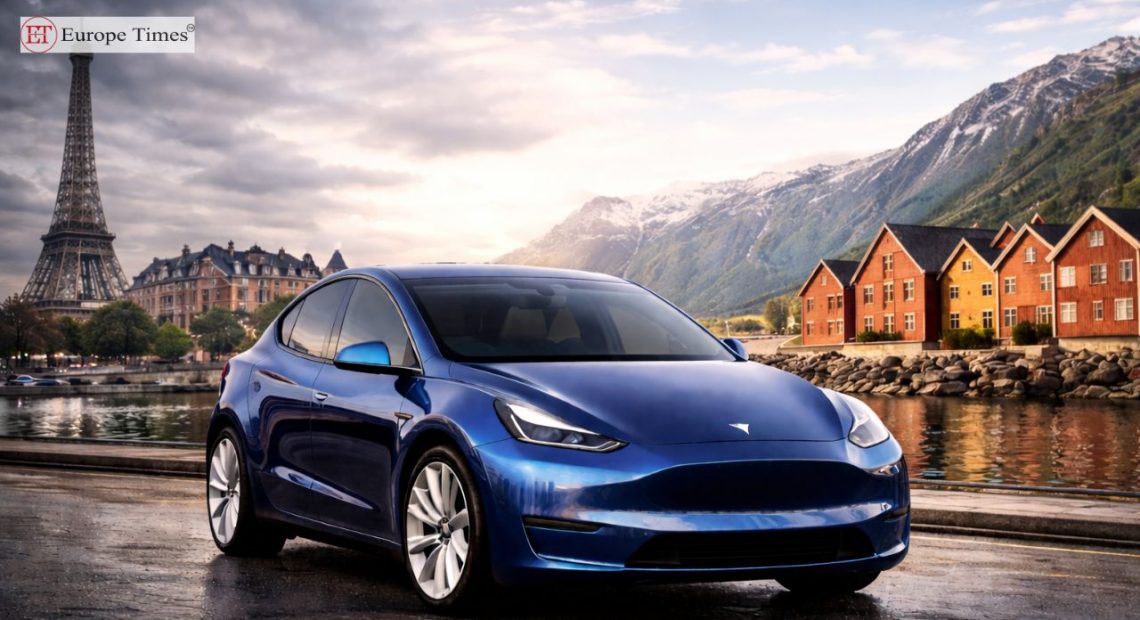
Tesla’s vehicle registrations fell sharply in several major European markets in December, underscoring a difficult year for the U.S. electric carmaker across much of the region. Sales dropped 66% in France and 71% in Sweden during the month, while declines were also recorded in Portugal and Spain. The weak performance reflects intensifying competition, an aging model lineup and reputational headwinds linked to Elon Musk’s political statements.

Despite the rollout of cheaper versions of the Model Y and Model 3, Tesla’s European business has yet to recover. For 2025 as a whole, registrations fell 37% in France, 70% in Sweden, 22% in Portugal and 4% in Spain. By November, Tesla’s market share across Europe, Britain and the European Free Trade Association slipped to 1.7% from 2.4% a year earlier, even as overall electric vehicle adoption continued to rise.

In contrast, Tesla enjoyed a standout performance in Norway, where registrations jumped 89% in December to 5,679 vehicles, helping the brand set a new annual sales record in 2025. Tesla captured more than 19% of the market in the country, where nearly all new car sales are electric. The company is due to report its global fourth-quarter delivery figures later on Friday.

Pic courtesy: google/ images are subject to copyright

featured News

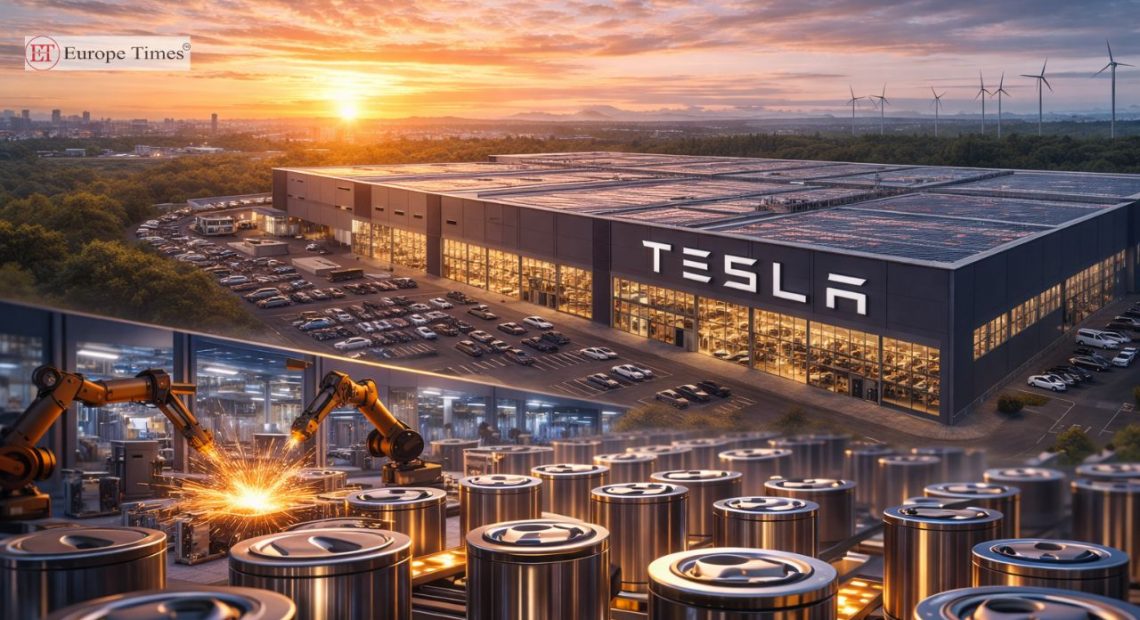
Tesla has announced fresh investments to scale up battery cell production at its Gigafactory in Gruenheide near Berlin, aiming to produce up to 8 gigawatt hours of battery cells annually from 2027. The U.S. electric vehicle maker said it will invest an additional three-digit million euro amount, taking total investment in the local battery cell factory to nearly €1 billion.

The company said the expansion is part of a strategy to deepen vertical integration at the site, allowing everything from battery cells to complete vehicles to be manufactured at a single location. Tesla described this as a unique setup in Europe that will help strengthen supply chain resilience and reduce dependency on external suppliers.

Tesla also noted that producing battery cells economically in Europe remains challenging amid competition from China and the United States. The Gruenheide facility, Tesla’s only gigafactory in Europe, currently employs about 11,500 people and plays a critical role as the automaker works to stabilise its position in the European electric vehicle market.

Pic courtesy: google/ images are subject to copyright

featured News

The European Commission is poised to ease its 2035 ban on new combustion-engine cars, allowing up to 10% of sales to include non-electric options like plug-in hybrids and range extenders using CO2-neutral biofuels or synthetic fuels. This reversal follows intense lobbying from Germany, Italy, and Europe’s auto sector, including giants like BMW, Mercedes-Benz, Renault, Volkswagen, and Stellantis, as they grapple with competition from Tesla and Chinese EVs. The proposal requires approval from EU governments and the European Parliament.

This marks the EU’s biggest retreat from its aggressive green policies in recent years, with carmakers also urging relaxed 2030 CO2 targets and fines. The European Automobile Manufacturers’ Association (ACEA) has described the situation as “high noon” for the industry. However, EV advocates warn that diluting the 100% zero-emissions goal to 90% could erode investments and hand more market dominance to China.

To counterbalance, the Commission plans incentives for EVs in corporate fleets—which drive 60% of new car sales—potentially with local content rules and tax breaks for small EVs. Credits toward CO2 targets may also reward sustainable practices like low-carbon steel production, though the auto sector prefers incentives over mandates.

Pic courtesy: google/ images are subject to copyright

featured News

French President Emmanuel Macron will travel to China from December 3 to 5 as Europe attempts to navigate a complex balance between economic dependence and strategic rivalry with Beijing. His agenda includes meetings with President Xi Jinping in Beijing and Chengdu, where he is expected to push for fairer trade conditions, stronger market access, and more balanced technological cooperation. The visit comes as EU-China relations face growing strain, with Brussels warning that ties have reached a critical turning point.

Europe’s concerns centre on China’s surge of low-cost exports—especially steel—and its dominance in electric vehicles and rare earth processing, which pose risks to key European industries. As Washington’s tariffs reshape global trade, China is positioning itself as a business-friendly alternative, even as EU leaders remain wary of Beijing’s support for Russia and its heavily subsidised industrial model. Macron’s team says he will press for a rebalanced relationship that encourages Chinese domestic consumption and shared innovation benefits.

The European Union is preparing a tougher economic security strategy, considering more assertive trade measures against China. France has backed higher tariffs on Chinese EV imports, triggering a year-long Chinese investigation into French brandy in what many saw as retaliation. Despite Airbus expanding its presence in China, a major aircraft deal is not expected during Macron’s trip, reflecting Beijing’s strategic use of aviation purchases in its broader geopolitical negotiations.

Pic Courtesy: google/ images are subject to copyright

News Trending

Tesla shareholders have approved a record $1 trillion pay package for Elon Musk, betting on his ability to transform the company into an $8.5 trillion enterprise over the next decade. Under the agreement, Musk will forgo a salary and receive payment only if he meets ambitious performance targets, including producing 20 million vehicles, developing one million robots, and rolling out a fleet of self-driving robotaxis. The decision underscores shareholder confidence that Musk’s leadership remains vital to Tesla’s long-term innovation and success.

Despite controversy over his outspoken political views and open support for President Donald Trump, Musk continues to command a devoted following among investors. Analysts argue that much of Tesla’s $1.4 trillion valuation is driven by what they call the “Musk premium,” a reflection of market faith in his creative and risk-taking approach. Supporters compare him to historical visionaries like Einstein and Edison, saying that without him, Tesla risks losing its innovative edge, particularly in artificial intelligence.

Still, Musk’s unpredictability poses challenges for Tesla’s board. Critics warn that his outside ventures and political involvements could distract him from the company’s complex goals. Legal experts note that the targets set for Musk may be flexible enough to secure his payout even under shifting conditions. Whether or not he achieves them, Tesla’s gamble signals how deeply intertwined Musk’s identity remains with the company’s brand and future direction.

Pic Courtesy: google/ images are subject to copyright

featured News Trending

Italy’s Prime Minister Giorgia Meloni described China as an “important interlocutor” for managing global tensions during her meeting with President Xi Jinping in Beijing. Xi acknowledged the “long-established friendly” relations and emphasized “tolerance, mutual trust, and mutual respect” between the two nations.

On her first visit to China since taking office, Meloni and Chinese Premier Li Qiang signed a three-year plan aimed at enhancing economic cooperation. This five-day trip follows Meloni’s decision last year to withdraw Italy from President Xi’s Belt and Road Initiative (BRI), a move motivated by the disappointing returns on the significant investment scheme intended to boost bilateral trade.

Meloni framed her visit as an effort to “relaunch” the Italy-China relationship. After discussions with Xi at Beijing’s Diaoyutai State Guesthouse, she noted the rising global insecurity and the necessity for China to play a crucial role in addressing these challenges. Meloni highlighted the need for the two countries to collaborate for stability and peace.

Italy’s prime minister’s office reported that their talks covered various global governance issues, including the Ukraine conflict, potential escalations in the Middle East, and increasing tensions in the Indo-Pacific. Xi called for both nations to “uphold the spirit of the Silk Road” to foster a new era in East-West relations, stating that both sides have significant opportunities for mutual growth and welcoming Italian investments in China while expressing a willingness to import more high-quality Italian goods.

Italy was the only major Western nation to sign onto the BRI, which was met with strong criticism from the US and other Western countries. Since assuming office in 2022, Meloni has adopted a more pro-Western and pro-NATO stance than her predecessors, previously criticizing the prior government’s decision to join the BRI as a “serious mistake.” Alicia Garcia-Herrero, chief economist for the Asia Pacific at Natixis, remarked that Meloni’s absence from the BRI allows her to engage with China on a more equal footing, as a partner rather than a subordinate.

Under Meloni’s leadership, Italy has blocked a Chinese state-owned firm from acquiring the tire manufacturer Pirelli and supported the European Commission’s recent move to impose tariffs of up to 37.6% on electric vehicles imported from China. Trade between Italy and China reached 66.8 billion euros (£56.3 billion) last year, making China Italy’s largest non-EU trading partner after the US.

Picture Courtesy: Google/images are subject to copyright

featured News Trending

Volkswagen (VW), the German automotive giant, has announced an investment of up to $5 billion (£3.94 billion) in Rivian, a competitor to Tesla. This partnership forms a joint venture allowing both VW and the US-based electric vehicle (EV) manufacturer to share technology. Following the announcement, Rivian’s stock surged nearly 50%.

The collaboration comes amid increasing competition among EV manufacturers and the imposition of tariffs on Chinese imports by Western nations. VW will start with an initial $1 billion investment in Rivian, with an additional $4 billion planned by 2026.

Founded in 2009, Rivian has yet to achieve a quarterly profit, reporting a net loss of over $1.4 billion in the first quarter of 2024. VW, facing pressure from competitors like Tesla and China’s BYD, is working to transition from fossil fuel-powered vehicles to EVs.

The partnership provides VW with immediate access to Rivian’s software, which it can integrate into its vehicles. The deal also comes as Chinese EV manufacturers expand globally, increasing competition. The European Union (EU) recently announced plans to raise tariffs on Chinese EV imports by up to 38%, following an investigation that found Chinese EV companies had been unfairly subsidized. China criticized these tariffs as violating international trade rules and labeled the investigation as protectionist.

The tariff increase by the EU follows the United States’ decision to raise import duties on Chinese EVs from 25% to 100%. Canada is also considering similar measures to align with its allies.

Separately, Tesla announced a recall of over 11,000 Cybertrucks sold in the US due to issues with windscreen wipers and exterior trim. The Cybertrucks were first released at the end of November last year.

Picture Courtesy: Google/images are subject to copyright