featured News Trending

France has introduced new fees on ultra-fast fashion products, with charges potentially reaching nearly €20 per item by 2030. The measure, which came into effect on Tuesday, follows legislation passed in June targeting major e-commerce platforms such as Shein, Temu and AliExpress, which French officials have criticised for encouraging high-volume consumption of inexpensive clothing.
The fees will vary depending on the type of garment and its environmental impact. In 2026, charges range from €0.50 for underwear and €2 for T-shirts to €9 for jeans and €12 for jackets. The levy could rise to €19.50 per item by 2030, although it will remain capped at 50% of the product’s pre-tax price. Retailers such as H&M and Zara are not currently covered by the measure.

French officials say the policy aims to address the environmental and economic impact of ultra-fast fashion. However, China’s commerce ministry has criticised the legislation as discriminatory and potentially inconsistent with World Trade Organization rules. Shein has warned that the fees could hurt French consumers’ purchasing power, while Temu has argued that, as a marketplace rather than a manufacturer, it should not be classified as a fast-fashion company.

Pic courtesy: google/ images are subject to copyright

featured News Trending

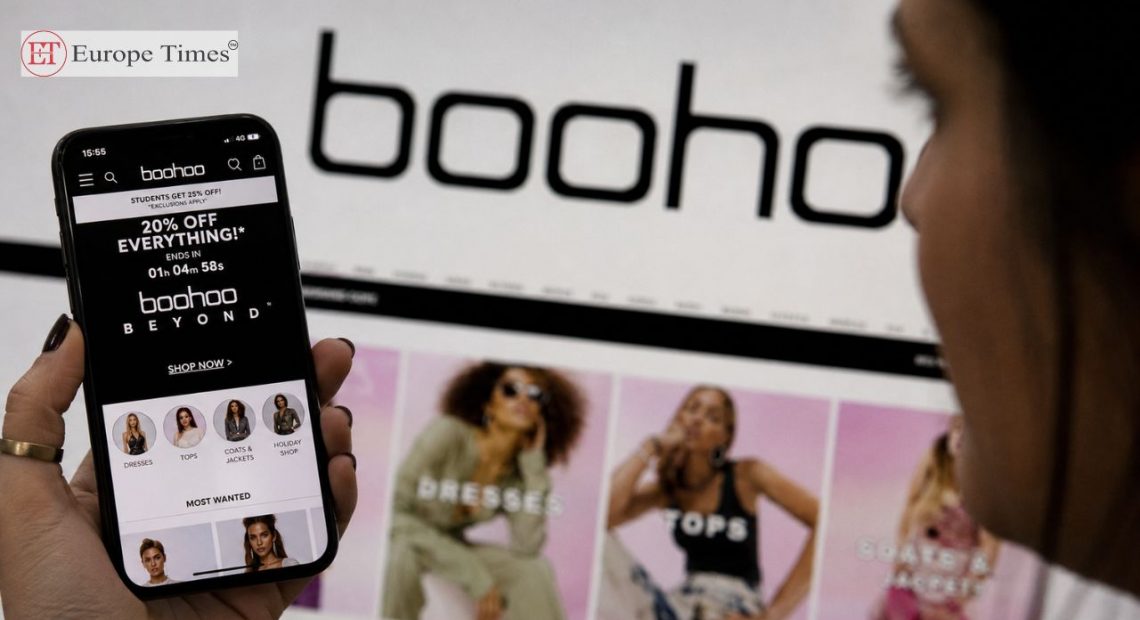
France’s consumer watchdog has fined British fast-fashion retailer Boohoo €2.3 million for deceptive practices on its website. The DGCCRF said the company exaggerated discounts, giving shoppers a misleading impression of the savings they were receiving.

The regulator found that 40% of promotions reviewed were not genuine price reductions, while 7% offered smaller discounts than advertised. In 48% of cases, the prices were actually higher. Boohoo was also accused of using terms such as “leather” and “suede” for synthetic products, violating French product-labeling rules.

Boohoo said the issues occurred between October 2023 and February 2024 under its previous management and have since been resolved. The company said it cooperated with the regulator and continues to review its pricing and product-labeling practices. Shares in Boohoo parent Debenhams fell 2.4% on Thursday.

Pic courtesy: google/ images are subject to copyright

featured News Trending

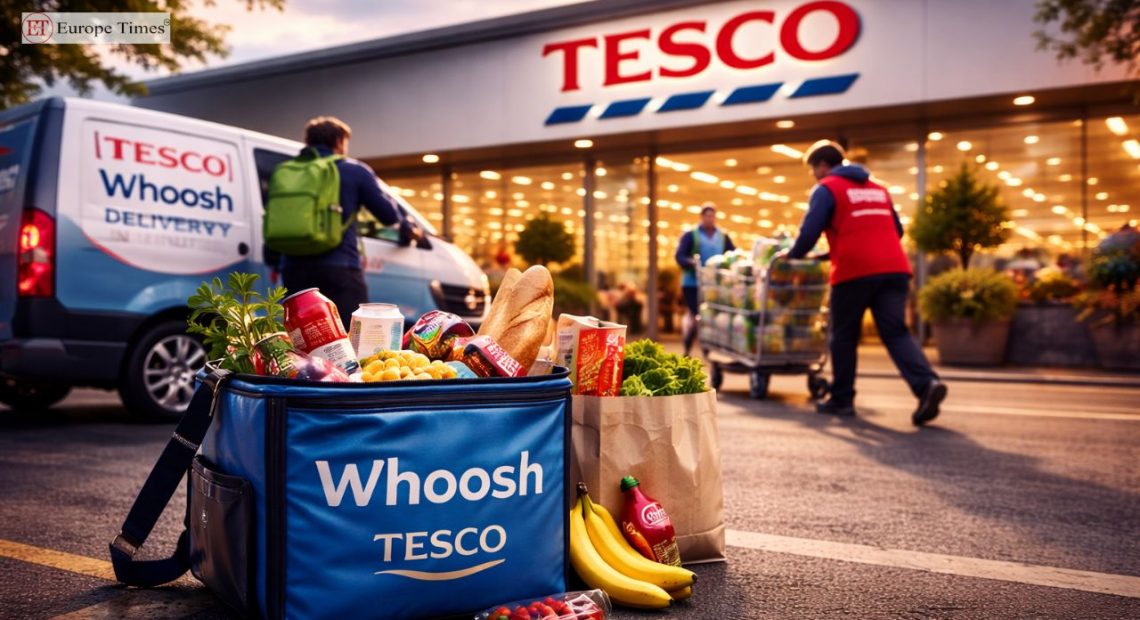
Tesco has transformed the once-feared threat of rapid-delivery startups into a competitive advantage, as its Whoosh service gains pace and strengthens the retailer’s online business. Five years after warning that fast grocery apps could chip away at supermarket dominance, Tesco now delivers groceries in as little as 20 minutes from its own stores. The retreat of loss-making quick-commerce players has left Tesco well positioned to capture demand, using its scale, store network and marketing power.

Whoosh now operates from about 1,600 Tesco stores and reaches over 70% of UK households, with staff picking orders and delivery handled by partners such as Uber Eats and Just Eat. Sales through the service rose 47% year-on-year in the 19 weeks to early January, adding more than 250,000 new customers, while Tesco’s overall online sales grew 11.2%. Industry estimates show the UK quick-commerce market growing steadily through 2030, reinforcing rapid delivery as a meaningful growth channel.

The success of Whoosh supports Tesco’s broader ambition to regain a 30% share of the UK grocery market, up from 28.7% currently. Investors see the target as achievable if Tesco maintains execution discipline and avoids costly missteps. Despite recent share price gains, Tesco still trades at a valuation discount to global peers, with analysts and shareholders viewing its strong market position and dominance in profits as key strengths going into 2026.

Pic courtesy: google/ images are subject to copyright