featured News Trending

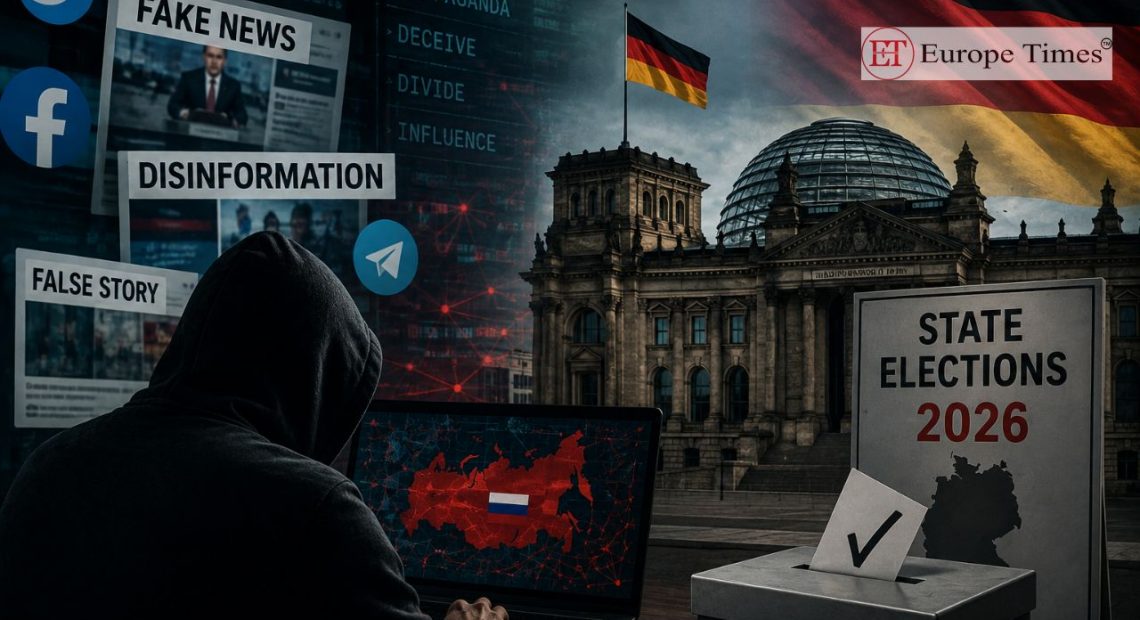
German security sources say Russia has intensified disinformation campaigns ahead of next month’s state elections, with online content reportedly targeting political rivals of the far-right Alternative for Germany (AfD) party. Authorities believe the campaign aims to deepen political divisions and undermine Germany’s governing parties, including the CDU, SPD, Greens, and FDP.

German officials said the operation, known as the “Matryoshka” campaign, spreads fabricated videos on social media using the branding of well-known news organisations to make false allegations against politicians. While the Interior Ministry says the campaign has not gained significant online traction, it continues to monitor the situation closely, calling it a serious threat.

Russia’s embassy in Berlin rejected the accusations, describing them as “anti-Russian hysteria” and denying any interference in Germany’s internal affairs. German security officials, however, maintain that the campaign is centrally coordinated from Russia, adding that the country remains alert to foreign influence attempts ahead of the elections.

Pic courtesy: google/ images are subject to copyright

featured News Trending

France has issued a deportation order for Russian media personality Xenia Fedorova, the country’s Interior Ministry confirmed. Fedorova, the former head of RT France, has remained in the country since the Russian state-backed broadcaster was banned across the European Union in 2022 following Russia’s invasion of Ukraine.

French officials have accused Fedorova of spreading Russian misinformation, with Foreign Minister Jean-Noel Barrot among those criticising her public role. In recent years, she has become a regular figure on French media outlets CNews, Europe 1 and JDNews, all of which are owned by the CANAL+ and Lagardere groups.

The media companies said they were shocked by the deportation decision and pledged full support to Fedorova. According to reports, her lawyer plans to appeal the order. The case comes amid continued scrutiny of Russian-linked media activities in Europe and ongoing efforts by EU nations to counter disinformation.

Pic courtesy: google/ images are subject to copyright

featured News Trending

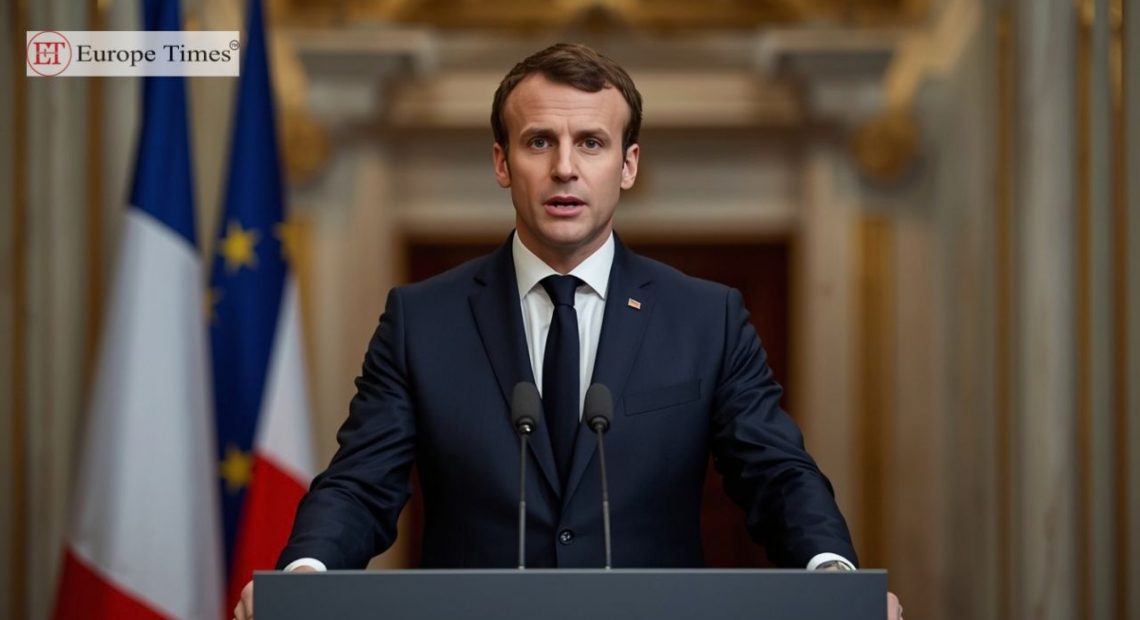
The European Union, along with France and Germany, strongly condemned U.S. visa bans on five European citizens, including former EU commissioner Thierry Breton, who have been involved in combating online hate and disinformation. Washington accused them of censoring free speech and imposing undue restrictions on U.S. tech companies, a move that European officials described as unjustified and an infringement on Europe’s legislative autonomy. French President Emmanuel Macron emphasized the importance of protecting Europe’s independence and the freedom of its citizens.

Breton, who helped design the EU’s Digital Services Act (DSA), faced particular scrutiny from the Trump administration. The DSA requires tech companies to tackle illegal content such as hate speech and child sexual abuse material, but the U.S. argued it unfairly targets American platforms and citizens. Previous disputes, including fines against Elon Musk’s X platform, have heightened tensions between Brussels and Washington over internet regulation and freedom of expression.

The visa bans also affected activists from the U.K. and Germany, with both countries expressing support and solidarity. German authorities called the bans unacceptable, noting that digital rules are determined in Europe, not Washington. British and international organizations described the U.S. actions as authoritarian and an attack on free speech, while the EU signaled it may respond decisively to what it views as a coercive measure undermining democratic norms.

Pic courtesy: google/ images are subject to copyright