Amid concerns over potential Islamic State (IS) threats to European sporting events, including a recent online warning, French authorities have intensified security measures in Paris. This move coincides with worries about the safety of upcoming events such as the Champions League quarter-final match and the impending Olympic Games.
While Interior Minister Gérald Darmanin acknowledged the elevated threat level, he also emphasized France’s experience in countering extremist activities, citing recent foiled attacks. Despite the heightened security, some fans remain undeterred, expressing a determination not to let fear dictate their lives.
Across Europe, governments are grappling with the growing threat posed by IS-K, particularly in light of the upcoming European Football Championship. Germany, in particular, has ramped up security measures, including border checks, amidst concerns over internal security.
Balancing security concerns with maintaining a sense of normalcy presents a challenge for France, especially with the Olympics fast approaching. While some voices caution against overreacting to IS threats, others stress the importance of not yielding to fear and maintaining public confidence.
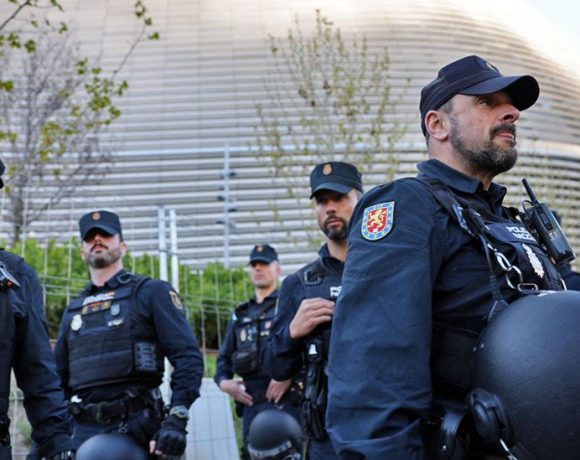
France’s extensive experience with Islamist incidents has led to the deployment of significant security forces, including Operation Sentinelle and military personnel. Despite assurances from security officials, concerns persist, compounded by tensions with Russia and its alleged efforts to undermine French credibility through cyber campaigns.
President Macron has warned of Russia’s potential to disrupt the Olympics through various means, including cyber operations aimed at spreading misinformation. The French government has publicly denounced attempts to manipulate public opinion, attributing such actions to Kremlin-backed efforts to sow discord.
Picture Courtesy: Google/images are subject to copyright