featured News Trending

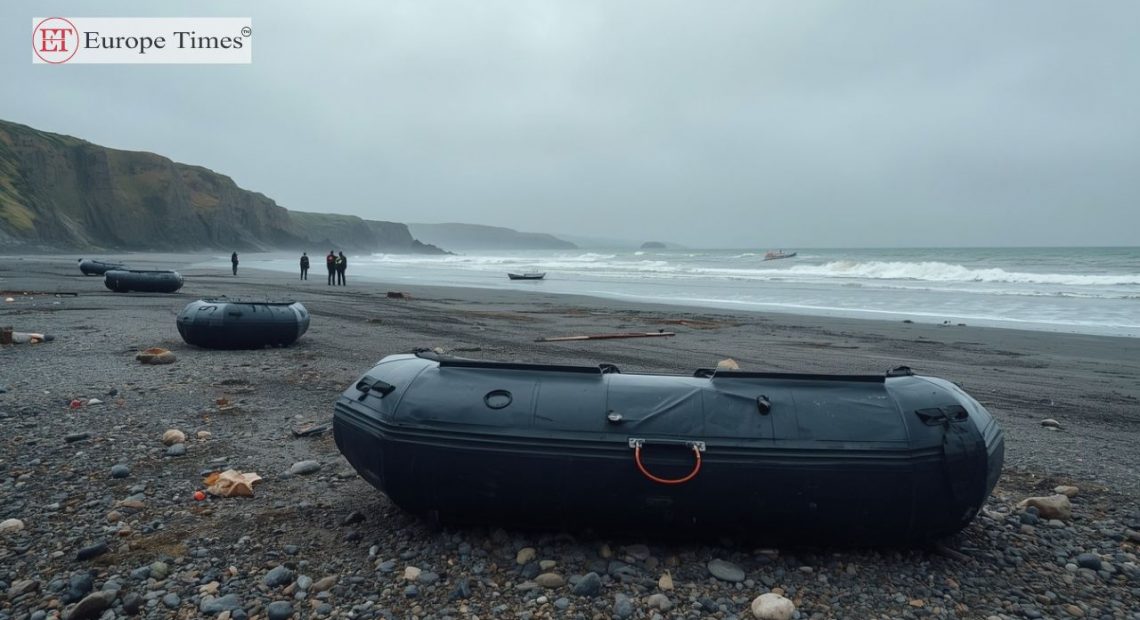
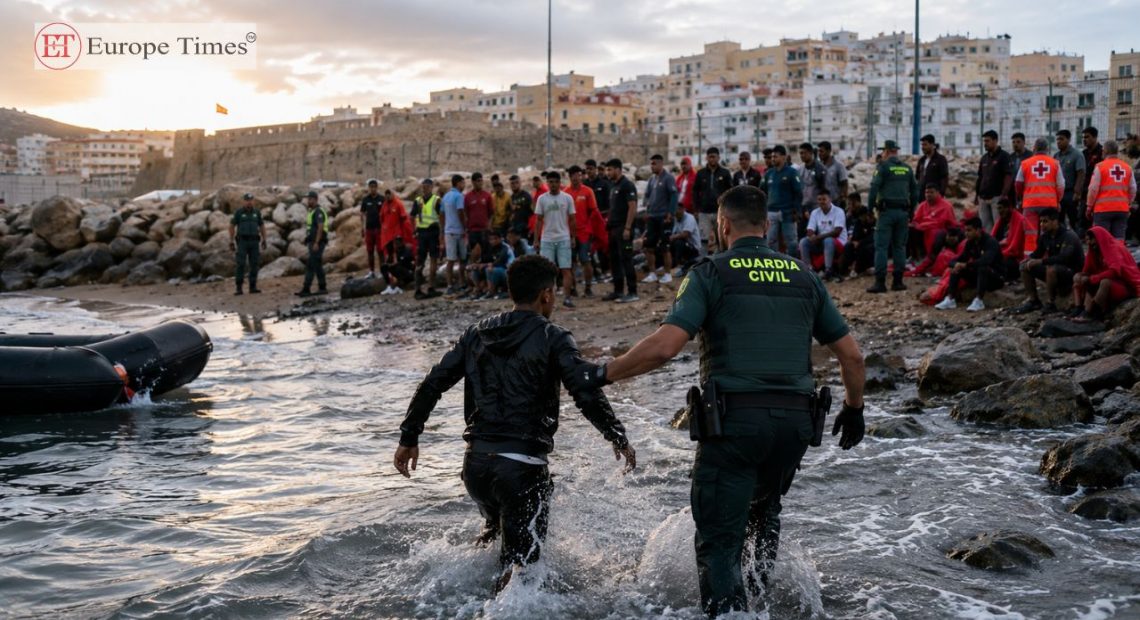
Spain’s North African enclave of Ceuta is seeking the transfer of more than 1,000 unaccompanied migrant minors to mainland Spain following last week’s massive migrant influx. While most of the 72,000 migrants who crossed into Ceuta have returned to Morocco, the remaining children cannot be immediately deported and are being housed in overcrowded shelters, warehouses, or temporary accommodation.

The local government says reception centres have exceeded capacity, prompting charities and residents to provide food, blankets, and shelter to vulnerable children and pregnant women. Under Spain’s immigration law, unaccompanied minors from overstretched regions must be relocated within 15 days after their cases are processed, though political disagreements could delay the transfers.

The Spanish government has approved €25 million in emergency funding for Ceuta and urged regional authorities to share responsibility for caring for the minors. However, several regional governments have opposed mandatory relocations, setting the stage for a political dispute as authorities work to identify and protect the children.

Pic courtesy: google/ images are subject to copyright

featured News Trending

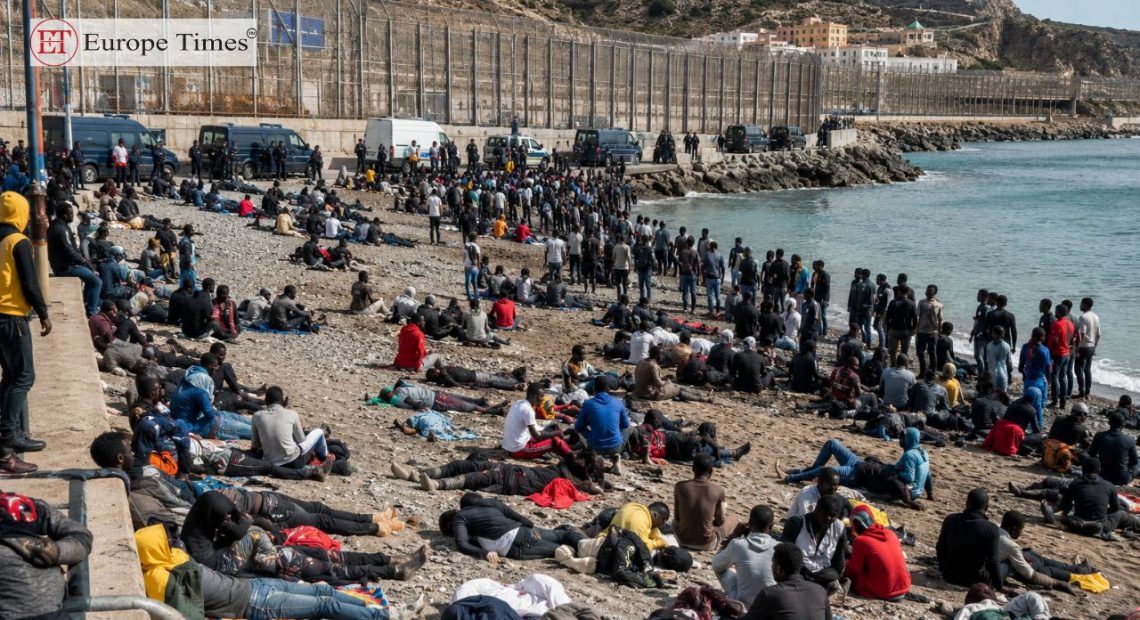
Spain’s North African enclave of Ceuta is struggling to cope after a massive migrant surge last week, with local authorities estimating that between 3,000 and 5,000 people remain in the territory. Hundreds of migrants have set up makeshift camps on local beaches, while reception centres for adults and minors have exceeded capacity. Spain says around 69,500 migrants have already been returned to Morocco in recent days.

The crisis has placed particular pressure on services for children, with more than 860 migrant minors currently under protection in Ceuta. Many migrants said they remained in the enclave after facing food shortages, closed shops, hostility from locals, and being unable to continue their journey to mainland Spain. The official death toll stands at 72 on the Spanish side and 11 on the Moroccan side.

The border crisis has also triggered diplomatic tensions within the European Union and renewed debate over migration policy. Spain praised Morocco for cooperating in the return of thousands of migrants but also called for stronger support from EU partners. Meanwhile, questions are being raised over whether Spanish intelligence services had sufficient warning before the mass crossing occurred.

Pic courtesy: google/ images are subject to copyright

featured News Trending

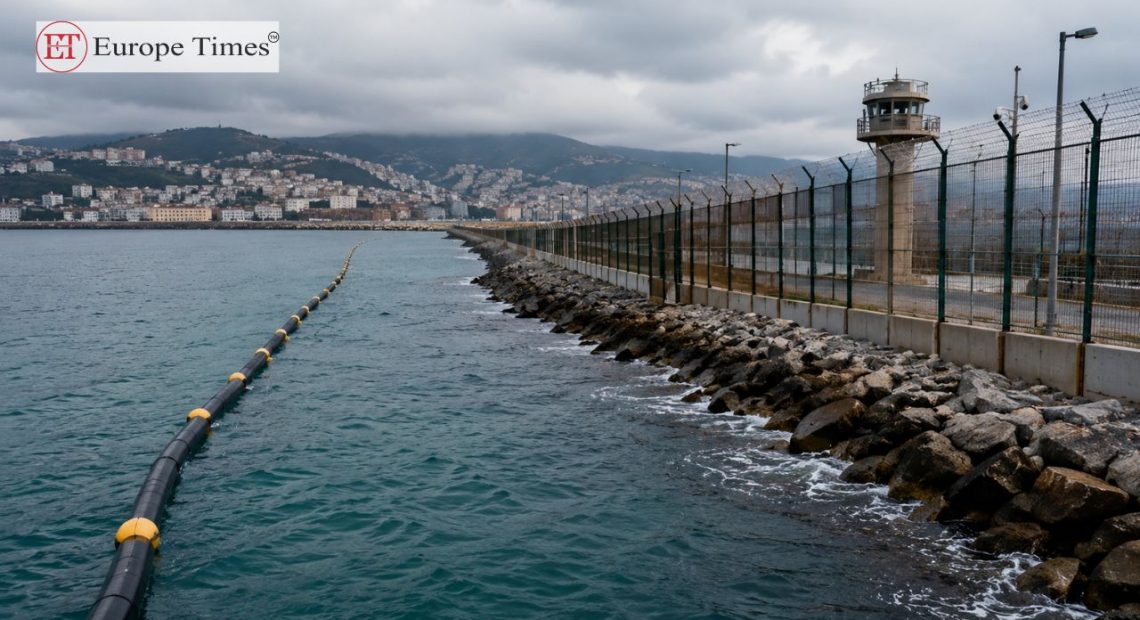
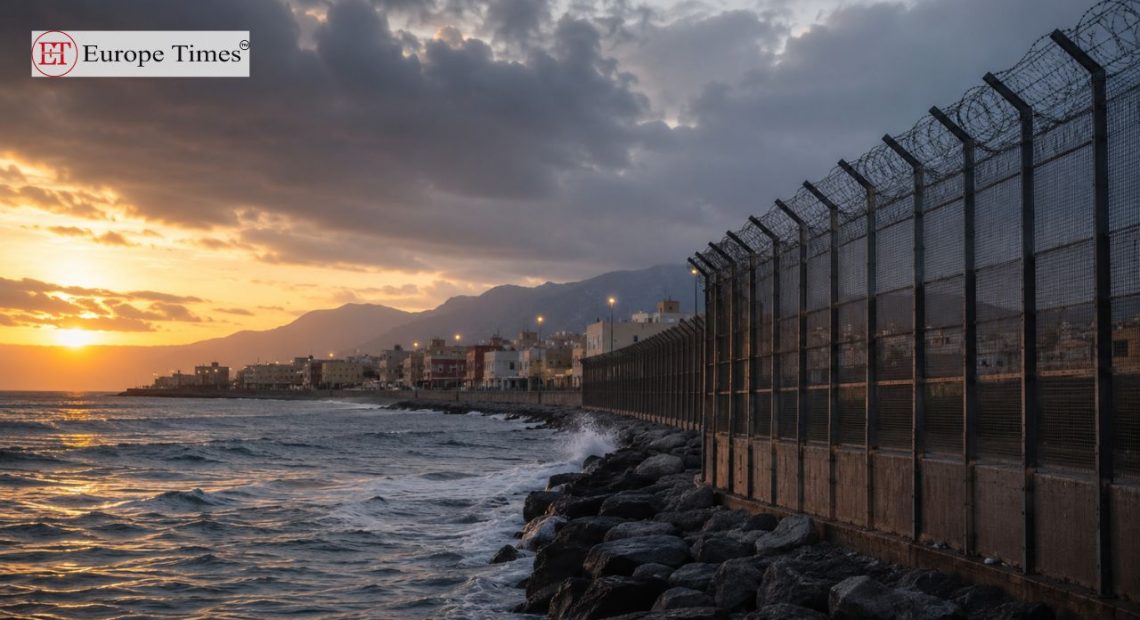
Spain has begun installing a 500-metre floating barrier along the coast of its North African enclave of Ceuta after migrant crossings fell to nearly zero overnight. The move follows a massive border rush in which around 50,000 people crossed into Ceuta from Morocco, with authorities saying more than 48,000 were returned within 48 hours.

The incident claimed at least 67 lives, with many migrants drowning or being crushed while attempting to cross the border. Spanish officials blamed human-smuggling networks for spreading misinformation and exploiting vulnerable migrants. The government said additional police and military forces will remain deployed while border security measures continue.

The crisis has sparked concern across Europe, prompting 22 EU member states to call for an emergency meeting on border security. Spain has urged a coordinated European response while reaffirming that Morocco remains a key partner in managing migration and maintaining the security of the EU’s external border.

Pic courtesy: google/ images are subject to copyright

featured News Trending

Spain’s North African enclave of Ceuta is facing a humanitarian and security emergency after around 1,500 migrants reached the territory by swimming from Morocco over the past week. Local leader Juan Jesus Vivas said the sudden influx has overwhelmed reception facilities, with hundreds of migrants forced to sleep outdoors and shelters for unaccompanied minors operating far beyond capacity.

Vivas described the situation as a national emergency and called for an immediate, coordinated response from the Spanish government. In response, Interior Minister Fernando Grande-Marlaska is set to visit Ceuta to meet local authorities as the government works to strengthen border controls and expand humanitarian assistance. Moroccan security forces are also helping to reduce further arrivals.

Officials said migrant arrivals are averaging about 300 people per day, raising concerns of a repeat of the 2021 migration crisis, when nearly 10,000 people entered Ceuta within days. Vivas also highlighted the human cost of the dangerous sea crossings, noting that dozens of bodies have been recovered in recent months, and urged reforms to Spain’s immigration laws following a recent Supreme Court ruling on migrant returns.

Pic courtesy: google/ images are subject to copyright

featured News Trending

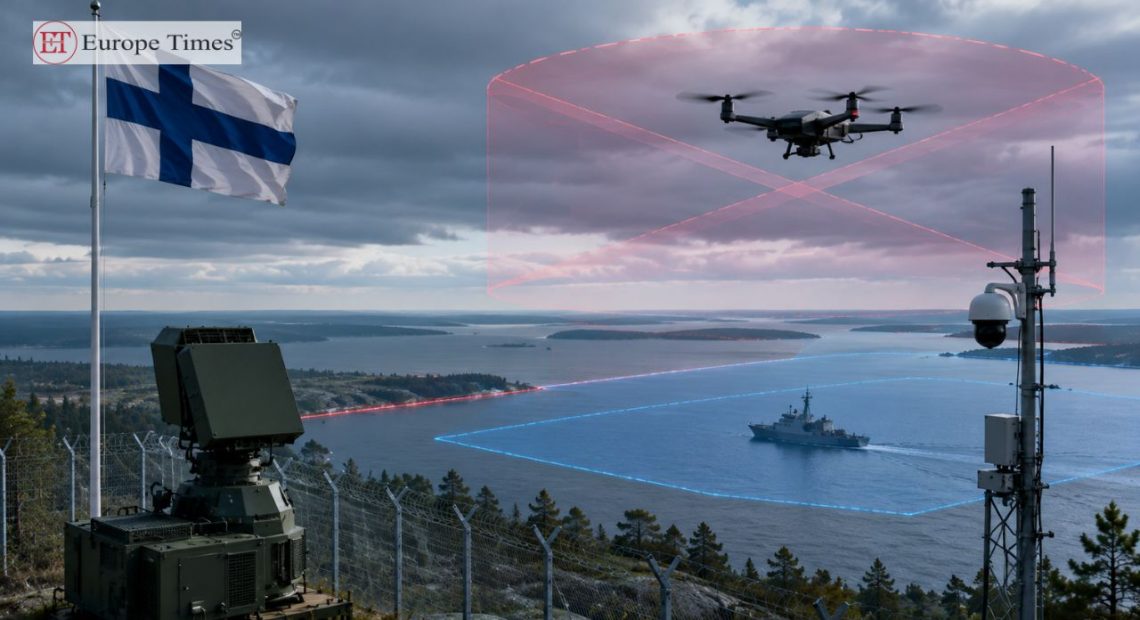
Finland has temporarily closed part of its airspace and restricted maritime traffic along its southern coast near the Russian border due to the risk of stray drones entering the area. The Finnish military said the measures are intended to ensure authorities can respond safely if drones cross into the region and to protect the public.

The move follows several incidents this year in which military drones linked to the Ukraine-Russia conflict reportedly entered the airspace of Finland, Estonia, Latvia, and Lithuania. These events have raised concerns that the ongoing war could increasingly affect NATO’s northern borders.

Finnish military officials declined to reveal the source of intelligence regarding the possible drone activity, citing operational security. While Ukraine and NATO have blamed Russian signal jamming for causing some drones to stray into neighbouring countries, Russia has accused Ukraine of deliberately directing drones across international borders.

Pic courtesy: google/ images are subject to copyright

featured News Trending

Irish police have intercepted a car carrying a significant explosive device near the border with Northern Ireland, preventing what officials said could have caused extensive damage. The vehicle was stopped near Carrickmacross in County Monaghan, around 10 kilometres from the border, and the army’s Explosive Ordnance Disposal team safely examined the device.

A woman in her 20s has been charged in connection with the investigation, while a man in his 40s remains in custody for questioning. Police believe the plot was linked to dissident republican militants who oppose the 1998 Good Friday Agreement and continue to pose a security threat.

Although the peace agreement largely ended decades of conflict in Northern Ireland, sporadic attacks by splinter militant groups continue. Authorities say the latest interception highlights ongoing efforts to prevent extremist violence and maintain security along the Irish border.

Pic courtesy: google/ images are subject to copyright

featured News Trending

The European Union has reached a political agreement on new migration rules that would allow member states to send rejected asylum seekers and visa overstayers to “return hubs” located outside the EU. The proposal, aimed at improving deportation enforcement, comes as European governments face growing political pressure to curb irregular migration despite a decline in arrivals over the past year.

Under the new framework, authorities would gain expanded powers, including longer detention periods, the collection of biometric data, searches of premises, and penalties for migrants who do not cooperate with deportation procedures. EU officials argue the measures are necessary because only a small percentage of people ordered to leave the bloc currently do so.

Human rights organizations and opposition lawmakers have strongly criticized the plan, warning it could lead to abuses and undermine migrant rights. Critics say the rules resemble aggressive immigration enforcement practices seen elsewhere and could increase detentions, home searches, and transfers to third countries with limited safeguards. The legislation still requires formal approval from EU governments and the European Parliament.

Pic courtesy: google/ images are subject to copyright

News Trending

Hungarian Prime Minister Viktor Orban recently stated that if Donald Trump were to be re-elected as the President of the United States, he would not provide funding for Ukraine’s fight against Russia’s invasion. Orban asserted that Trump has made assurances to swiftly end the conflict if elected again, albeit without offering detailed plans. According to Orban, Ukraine lacks the capacity to sustain the war without financial and military support from the United States.

Orban’s vocal support for Trump was evident during his recent visit to Florida, where he met with the former president. Notably, Orban did not arrange a meeting with the incumbent US President, Joe Biden. This move has raised eyebrows, particularly as it’s unusual for a visiting foreign leader not to meet with the current administration. Orban’s stance on Ukraine stands in contrast to many European Union leaders who advocate for providing aid to Ukraine and criticize Orban’s close relationship with Russian President Vladimir Putin.

Concerns are growing within the international community that a potential second Trump presidency could lead to a reduction in US assistance to Ukraine and NATO. The deadlock in the US Congress over a foreign aid bill further exacerbates these worries. Influenced by Trump’s stance, Republican lawmakers are insisting on additional funding for border security before advancing the bill. Trump himself has suggested offering loans to Ukraine instead of providing aid without conditions.

Meanwhile, as Russian forces continue to make gains in eastern Ukraine, the country faces acute shortages of ammunition. Ukraine heavily relies on weaponry from the US and other Western allies to counter Russia’s significant military strength. The ongoing conflict underscores the critical importance of international support for Ukraine in its struggle against Russian aggression.

Picture Courtesy: Google/images are subject to copyright

News Trending

Finnish Prime Minister Petteri Orpo has accused Russia of aiding migrants in entering Finland illegally, alleging that some have received assistance from Russian border guards. The number of unauthorized crossings has increased this week, with around 89 incidents recorded in two days, compared to 91 in the preceding four months. Finnish officials reveal that migrants, including individuals from Iraq, Yemen, and Syria, are arriving legally in Russia but lack authorization to enter Finland, an EU member state.

Colonel Matti Pitkaniitty of the Finnish border guard noted a change in Russian policy, asserting that Russian guards traditionally prevented people without proper documents from reaching the Finnish border. The migrants are exploiting an agreement allowing cycling across the border, prompting Finland to recently ban bicycle crossings. Most activity is concentrated around the Nuijamaa and Vaalimaa border crossings in south-eastern Finland. Prime Minister Orpo claimed that Russian authorities are facilitating these illegal crossings, emphasizing the assistance provided by border guards.

In 2021, a significant number of migrants from the Middle East and Africa entered EU member states Poland and Lithuania by flying to Belarus, a close Russian ally. The EU accused Belarusian leader Alexander Lukashenko of using migration as a tool of “hybrid warfare” to destabilize the bloc. Colonel Pitkaniitty, while acknowledging the manageable current numbers, stated that Finnish authorities are prepared to react if crossings increase.

Interior Minister Mari Rantanen announced plans to enhance border security, emphasizing the government’s commitment to addressing the situation. Colonel Pitkaniitty noted that the route into the EU via Russia is considered safer than other options, such as crossing the Mediterranean by sea. He expressed concern that word of this route’s safety might attract more migrants, potentially leading to a rapid increase in numbers, emphasizing the unpredictability of when the opportunity might end.

Picture Courtesy: Google/images are subject to copyright

News Trending War

Poland has become increasingly cautious of its neighbor Belarus due to the possibility of Russian Wagner group mercenaries relocating there as part of a deal to end their mutiny. In response, Poland has fortified its border with miles of fencing, thermal cameras, and spotlights, which were initially installed after Belarus encouraged migrants to cross into Poland.

Poland is deploying extra officers as reinforcements ahead of the NATO summit, expressing concerns that the Wagner forces could instigate further trouble. The unpredictability of Belarus is seen as the biggest threat, with uncertainties surrounding the motives and preparations of the Wagner group. Despite the intended disbandment and exile of the mercenaries to Belarus, there are indications that the group is still operating within Russia.

Online contacts with Wagner revealed that recruitment was ongoing, and detailed instructions were provided to find the mercenaries’ training camp in southern Russia. However, the whereabouts and future plans of the Wagner group remain unclear. While some Belarusians express concerns about the group’s potential arrival, others see their recent mutiny as a sign of weakness within the Kremlin, fueling hopes for change.

There are doubts that Wagner will relocate to Belarus in large numbers or that their leader, Yevgeny Prigozhin, would settle there due to potential scrutiny from the Russian FSB security service. Polish worries and warnings about Wagner’s presence in Belarus could be influenced by domestic politics, with some suggesting it as a political tool to enhance the government’s security credentials ahead of upcoming elections.

The situation surrounding the Wagner mutineers remains shrouded in mystery, leading Poland to maintain heightened border patrols and surveillance.

Picture Courtesy: Google/images are subject to copyright