
featured News Trending

Italy’s population is projected to fall by almost 4 million by 2050, raising concerns over the country’s economy and welfare system as its population continues to age. The national statistics agency ISTAT said the population could decline from 58.9 million in early 2025 to around 55 million by 2050, before falling further to 45.8 million by 2080.

Italy’s declining birth rate is a major factor behind the demographic trend. Births fell to about 355,000 in 2025, the lowest level since the country’s unification in 1861. ISTAT expects annual births to remain broadly stable until 2030 before declining to around 335,000 by 2050, while annual deaths could peak at 869,000 in 2058.

The ageing population is expected to put increasing pressure on Italy’s workforce, pensions and welfare services. The share of people aged 65 and above is projected to rise from 24.7% in 2025 to 34.5% in 2050, while the working-age population could fall from 63.4% to 55.3%. Southern Italy is expected to experience the sharpest decline, with its population forecast to fall from 19.7 million to 16.7 million by 2050.

Pic courtesy: google/ images are subject to copyright

News Trending

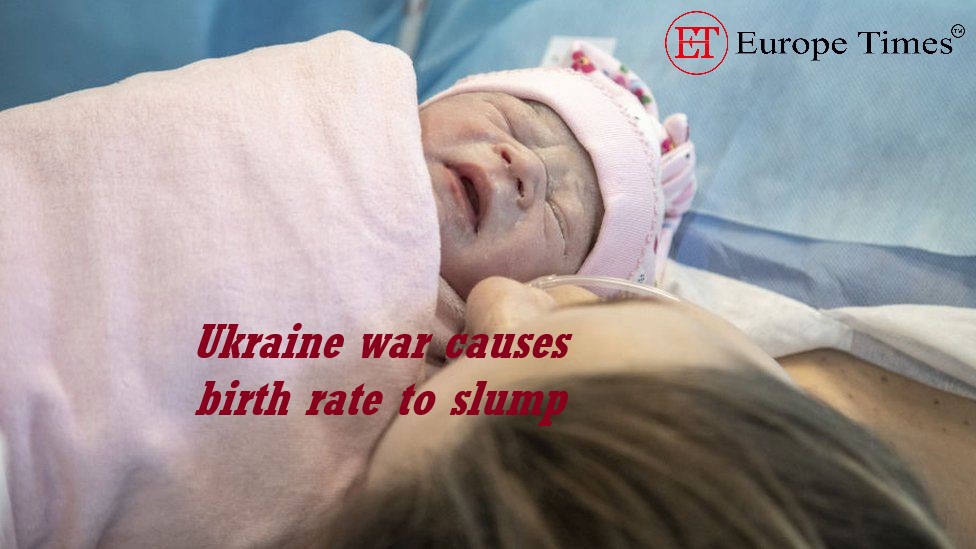
According to official statistics, the war in Ukraine has led to a significant decline in the country’s birth rate, with a decrease of 28%. In the first six months of 2023, only 96,755 children were born, compared to 135,079 in the same period in 2021. This drop is the most substantial decrease in birth rates since Ukraine gained independence in 1991.

Even before the conflict, Ukraine’s birth rate had been steadily declining over the past decade. However, the war has exacerbated the situation, resulting in the largest decline in births on record. The ongoing conflict has also had a severe impact on the country’s population, with nearly six million people fleeing, according to the United Nations.

Data collected by the Ukrainian data analytics website Opendatabot aligns with the observations of demographic experts, who have noticed similar declines in birth rates during previous wars. The US-based Population Reference Bureau states that fertility rates typically drop by up to one-third during civil conflicts but tend to rebound quickly after the fighting ends.

Before the invasion by Russia, Ukraine used to witness around 23,000 monthly births, but this number has now fallen to approximately 16,000. However, the decline in birth rates has not caused a significant imbalance between male and female births. In the first half of 2023, the number of boys born was 49,626, while girls accounted for 47,129.

The last time Ukraine experienced such a significant drop in birth rates was in 2014 when Russia invaded and annexed Crimea. During that period, the number of babies born decreased by 12%.

Picture Courtesy: Google/images are subject to copyright