
Germany Grants New Powers to Intelligence Agencies to Counter Foreign Threats
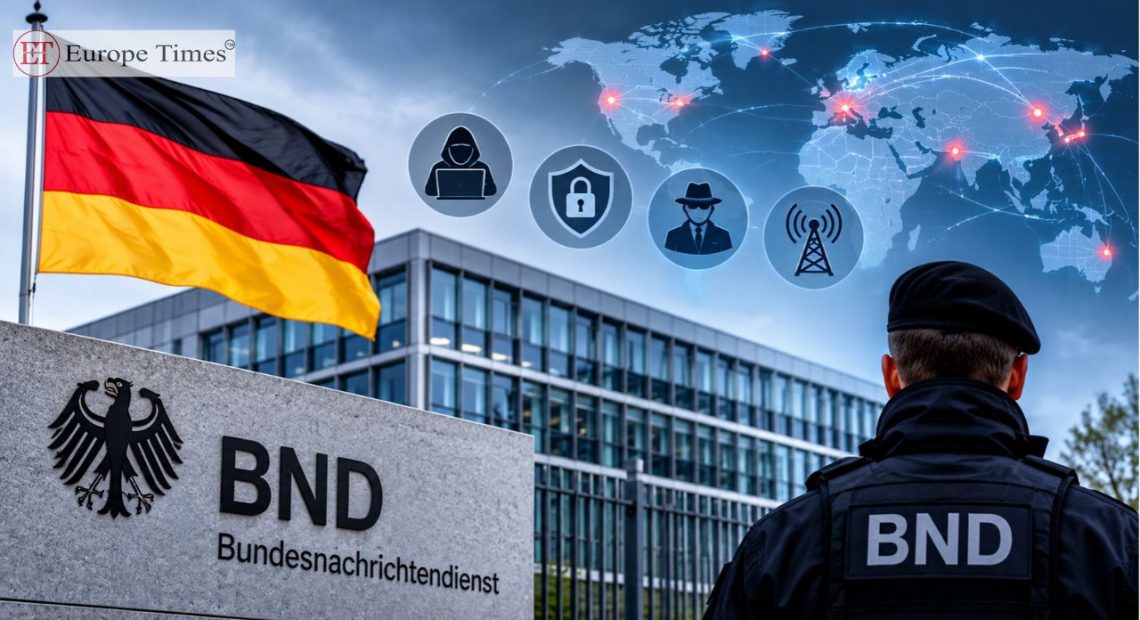
Germany’s parliament has approved major changes to the country’s intelligence laws, granting greater powers to foreign and domestic intelligence agencies to tackle espionage, terrorism and sabotage. The legislation allows the Federal Intelligence Service (BND) to conduct covert operations abroad, including disrupting cyberattacks, disinformation networks and weapons supply chains. The reform was approved in the Bundestag with 309 votes in favour, 190 against and 71 abstentions. Interior Minister Alexander Dobrindt described the changes as essential to addressing growing security threats from foreign powers.
The country’s domestic intelligence agency, the Federal Office for the Protection of the Constitution (BfV), will also receive expanded powers to respond to specific threats. Its agents will be permitted to disrupt cyberattacks, block malicious data flows, disable explosives and weapons, and remove or manipulate data used for harmful activities. Under certain conditions and with prior authorisation, agents may also enter homes covertly. The legislation further allows wider digital surveillance, including monitoring encrypted communications, online searches, AI-supported data analysis and biometric image matching. The government cited increasing threats from Russia, China and Iran as reasons for the changes.
However, the reforms have attracted criticism from opposition politicians who fear the expanded powers could weaken safeguards on intelligence agencies. Left Party security spokeswoman Clara Bünger warned that the changes risk eroding the traditional separation between intelligence services and police powers. Supporters, including members of the governing coalition, argue that the measures are necessary to protect national security and strengthen democratic institutions. The debate comes amid growing concerns over foreign espionage, cyberattacks and suspected sabotage incidents in Germany.
Pic courtesy: google/ images are subject to copyright