
Spain Train Disasters Hit High-Speed Rail Travel and Threaten Tourism
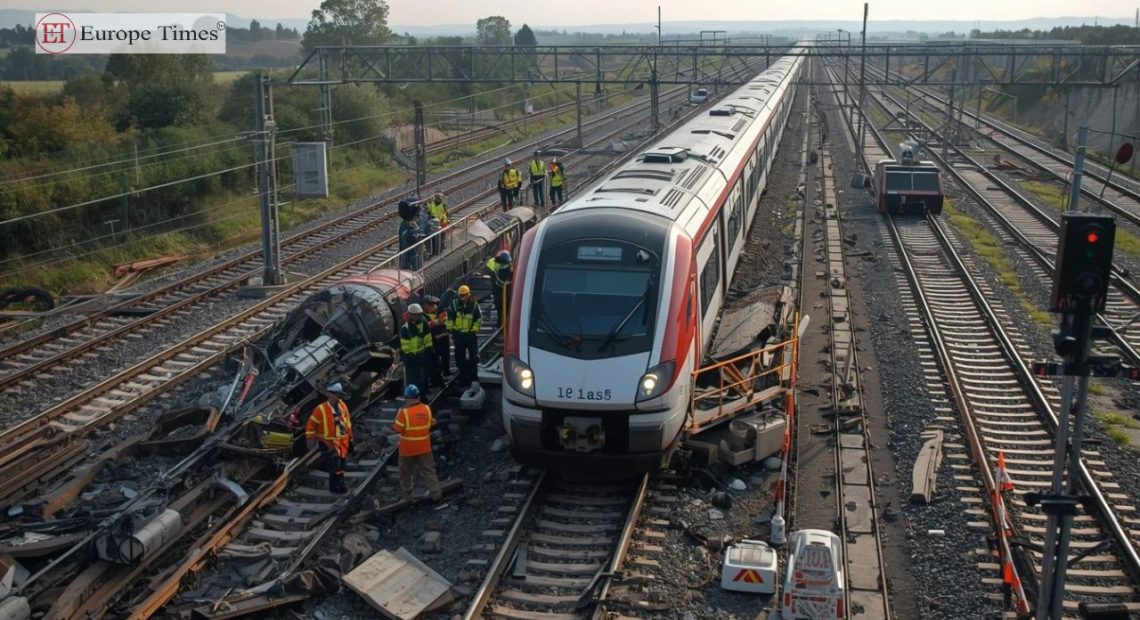
Two deadly train accidents in Spain this year have weakened passenger confidence in the country’s high-speed rail network, raising concerns for its tourism and business travel sectors. The October 28 collision, which killed 69 people, forced the closure of the Madrid-Andalusia high-speed railway for the second time in nine months, disrupting travel for nearly 19,000 daily passengers. Earlier, a January collision near Adamuz killed 46 people. According to Spain’s competition watchdog, long-distance high-speed rail passengers fell 15% during the first half of 2026 to 18.7 million.
The repeated accidents have prompted travellers to reconsider rail journeys, with many switching to domestic flights, rental cars and buses. Some passengers have also changed their travel plans due to safety concerns. Industry sources reported that last-minute flight bookings increased by as much as 61% in November, while domestic flight bookings doubled in the first days following the latest crash. Tourism experts warn that the incidents could damage Spain’s reputation as a safe travel destination unless authorities prioritise railway safety and infrastructure maintenance.
The disruption has also caused significant economic losses, particularly in the southern region of Andalusia. Seville’s Chamber of Commerce estimates that the suspension of train services is costing the region nearly €1.5 million per day, with alternative transport options covering only around 60% of the disrupted rail traffic. Spain’s government has approved new measures to strengthen railway safety and improve protections for train drivers and control room staff. Industry experts say restoring passenger confidence will depend on effective safety improvements and preventing further accidents.
Pic courtesy: google/ images are subject to copyright