
G7 Leaders Assess Impact of Trump’s Midterm Setback on Global Relations
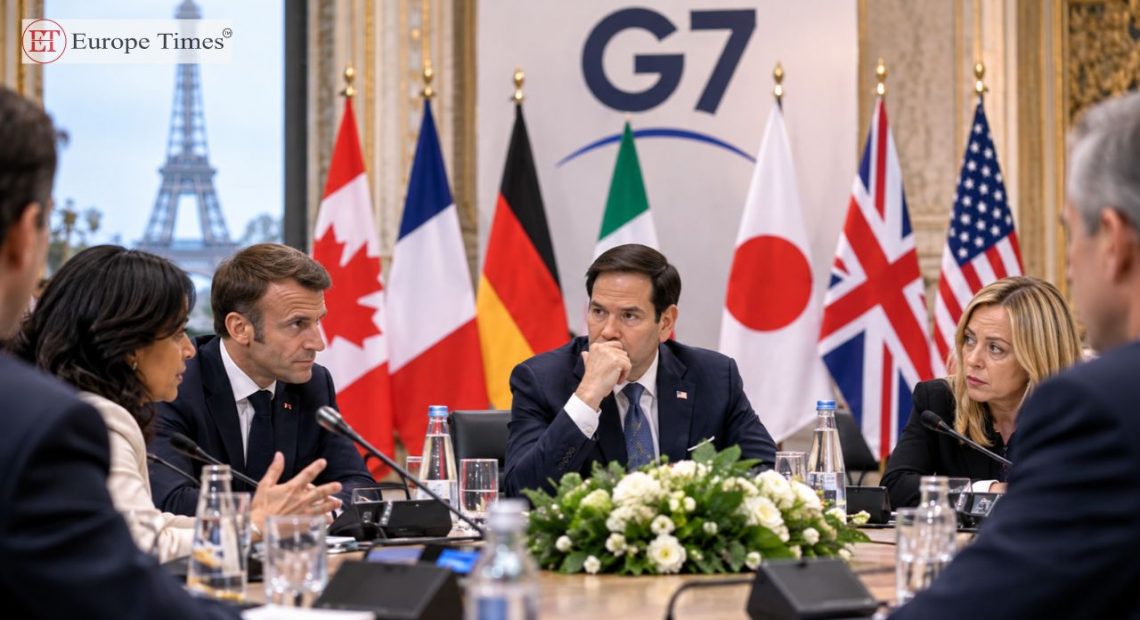
Foreign ministers from the G7 nations gathered in Paris on November 9 to discuss whether US President Donald Trump’s midterm election setback could influence Washington’s foreign policy and relationships with its allies. The meeting marks the first appearance of US Secretary of State Marco Rubio before allied counterparts since the elections, in which Democrats made significant gains. Diplomats believe the results could limit Trump’s political flexibility, although they do not expect a major shift towards traditional multilateral cooperation.
The war in Ukraine is expected to dominate discussions ahead of planned trilateral talks involving Ukraine, Russia and the United States in Abu Dhabi. European leaders are seeking stronger air defence support, financial assistance and energy supplies for Kyiv as Russia continues targeting critical energy infrastructure ahead of winter. Italy’s Prime Minister Giorgia Meloni has also urged European countries to adopt a unified diplomatic strategy, warning that divisions could weaken Europe’s influence in efforts to end the conflict. Shortages of Patriot interceptor missiles remain one of Ukraine’s most pressing military concerns.
Ministers are also expected to address tensions surrounding Iran, the Middle East and growing security threats across Europe. Rubio expressed little optimism about reaching an agreement with Iran, while disagreements between France and the United States over a proposed security framework for Lebanon highlight differences among allies. The discussions will also cover cyberattacks, disinformation and other hybrid threats linked to Russia. The summit comes at a critical moment for the G7 as members assess how changing US domestic politics could affect international security and cooperation.
Pic courtesy: google/ images are subject to copyright