featured News Trending

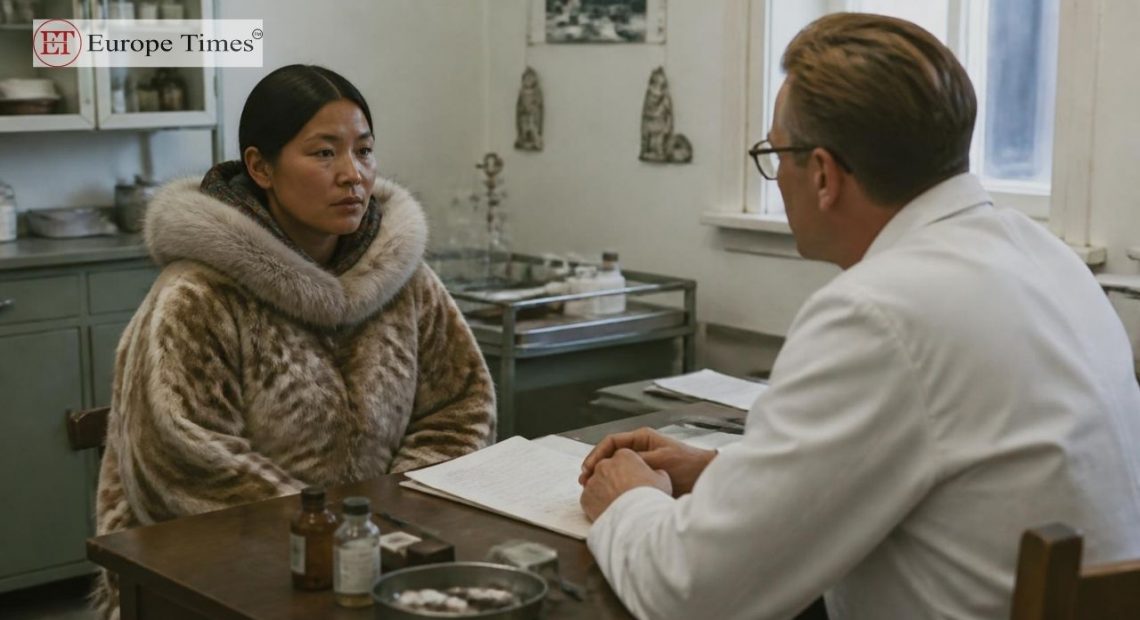
A forced contraception programme carried out in Greenland mainly during the 1960s and 1970s violated women’s human rights but did not meet the legal definition of genocide, according to two expert reports released on Friday. More than 4,000 Greenlandic women and girls, some as young as 12, were given intrauterine devices or contraceptive injections between 1966 and 1991, often without their knowledge or consent.

The reports found that administering contraception without valid consent violated women’s rights to private and family life and, in some cases, subjected them to degrading treatment. While one report found no evidence that authorities or healthcare professionals intended to destroy Greenland’s population, another said Denmark may have breached the UN Genocide Convention by failing to act after becoming aware of the serious risk posed by the programme. The experts said proving genocide would require establishing specific intent to destroy a protected group.

The findings have renewed calls for accountability and reconciliation between Greenland and Denmark. Greenlandic Prime Minister Jens-Frederik Nielsen proposed a reconciliation commission, while Danish Prime Minister Mette Frederiksen said the two countries must confront the painful parts of their shared history. Denmark has also passed a compensation law providing 300,000 Danish crowns to each affected woman. Survivors have described lasting physical and emotional consequences, including infertility and other serious health complications.

Pic courtesy: google/ images are subject to copyright

featured News Trending

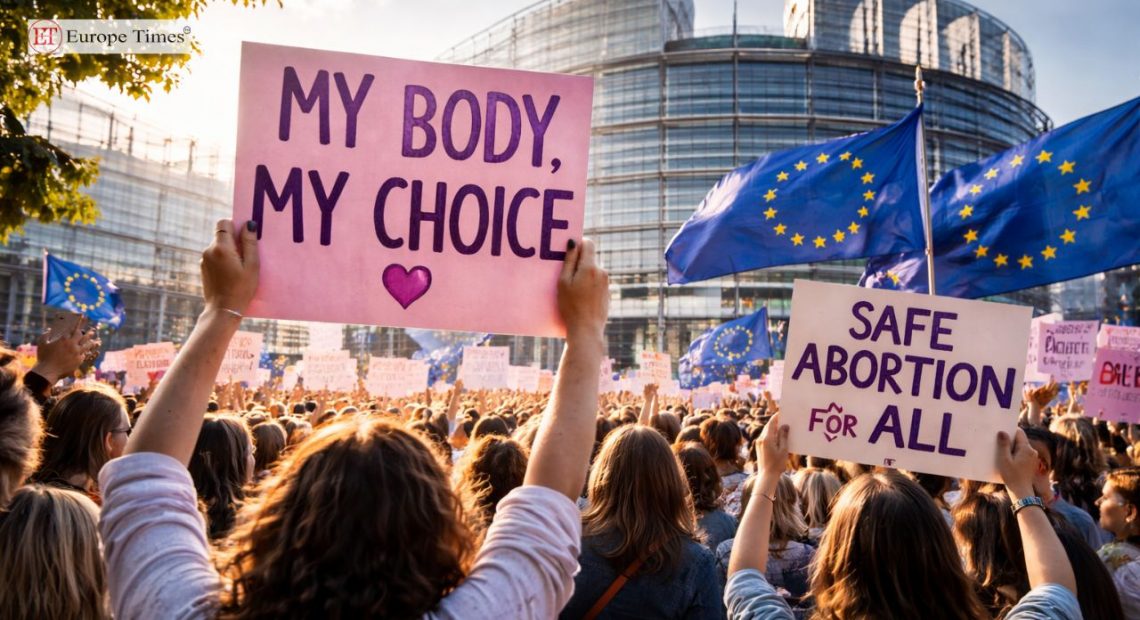
The European Commission has clarified that member states may use the European Social Fund to provide free abortion services to women traveling from EU countries with restrictive laws. The announcement followed the “My Voice, My Choice” citizens’ initiative, which gathered over one million signatures urging the bloc to ensure equal access to safe and legal abortion care. While the Commission stopped short of proposing a new funding tool, it confirmed that existing resources could be reallocated to support women, particularly those in vulnerable situations, seeking procedures abroad.

The move comes as countries such as Poland and Malta maintain near-total abortion bans, and access remains limited in nations including Italy and Croatia. Supporters argue that women across the 27-member bloc should have equal healthcare rights regardless of national restrictions. Campaign coordinator Nika Kovac welcomed the clarification, calling it the first clear confirmation that EU funds can be used to guarantee safe abortion access across borders.

However, critics — including conservative lawmakers and far-right groups — say the decision interferes with national sovereignty over health policy and undermines traditional values. Opponents argue that using EU social funds for abortion-related services effectively bypasses domestic laws. The clarification reflects broader tensions within Europe, where abortion access has expanded in countries such as France and the UK, even as far-right parties opposing abortion gain political ground.

Pic courtesy: google/ images are subject to copyright

featured News

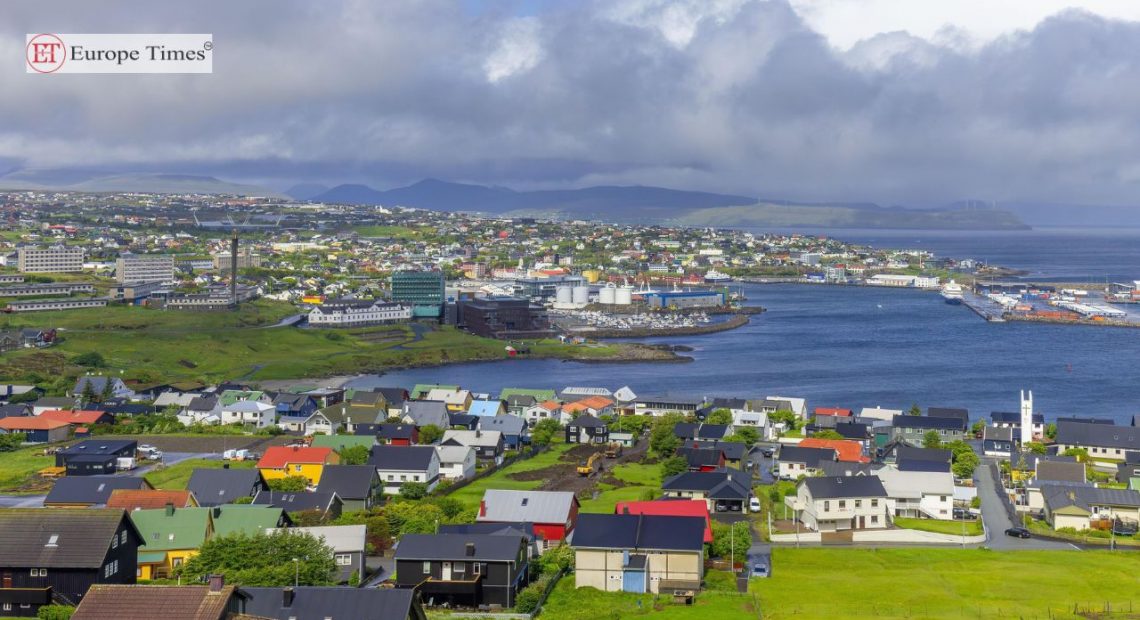
The Faroe Islands has voted to legalise abortion up to the 12th week of pregnancy, ending one of Europe’s most restrictive abortion laws. The new legislation, passed in a tight 17–16 vote after intense debate, replaces rules dating back to 1956 that allowed abortions only in exceptional circumstances such as rape, incest, serious fetal abnormalities or risks to the woman’s health.

Supporters of the reform, including MP Ingilín Didriksen Strømm, described the decision as historic, saying it finally ensures women’s autonomy and access to safe healthcare. Human rights groups such as Amnesty International also welcomed the change, noting that many Faroese women previously had to travel to Denmark—where abortion is legal up to 18 weeks—for the procedure due to strict local laws and social stigma.

While pro-choice advocates celebrated what they call a major step forward, conservative opponents argued that fetal rights must be protected and suggested efforts may be made to reverse the law in the future. The reform marks a significant cultural shift for the small, traditionally conservative archipelago of 56,000 people, where past attempts to liberalise abortion policy have repeatedly failed.

Pic courtesy: google/ images are subject to copyright