
featured News Trending

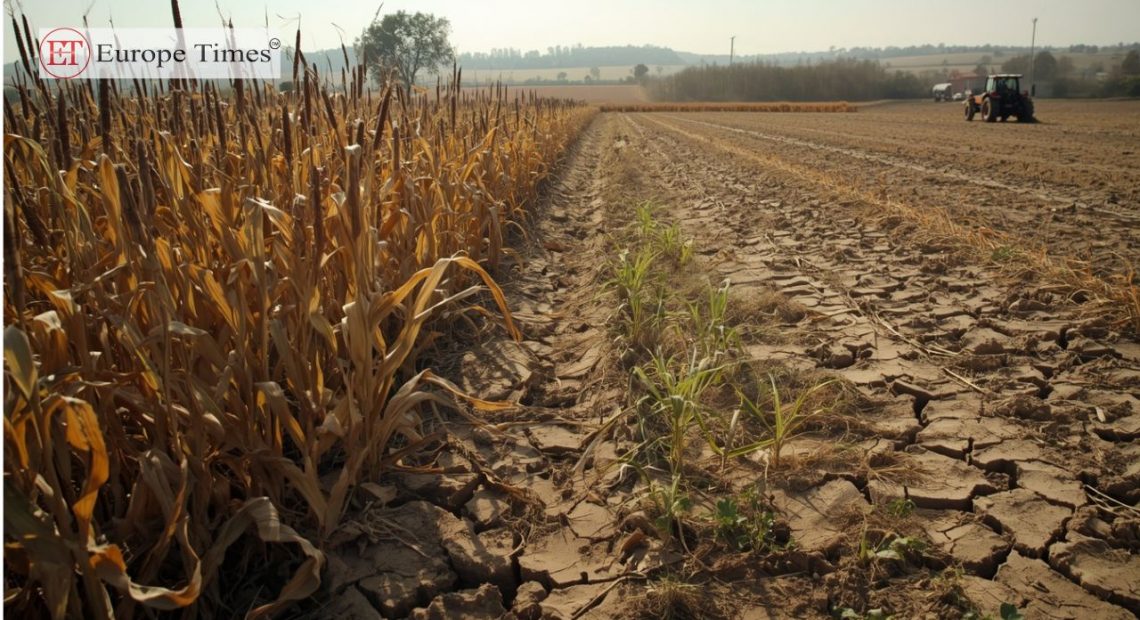
Climate change is putting increasing pressure on maize production across central and eastern Europe, with repeated droughts, heatwaves and water shortages reducing crop yields. The impact is particularly severe in Hungary and Romania, where maize acreage has fallen sharply. Hungary, once a major exporter, is expected to import maize this year, while Romania’s exportable surplus has declined.
The European Union’s maize harvest is forecast at 50.1 million metric tons in 2026, nearly a two-decade low and around 20% below the average of the past three years. Romania’s crop is expected to reach about 8 million tons, while Hungary’s harvest could fall to just 2.5 million tons. EU maize imports are projected to rise by 8% to 9% in 2026/27 as domestic production weakens.

Farmers are increasingly changing how they operate to cope with the changing climate. Some are switching from maize to crops such as sunflowers that require less water, while others are investing in irrigation. However, declining water availability is making even irrigation difficult. Farmers warn that without reliable water supplies, continued maize cultivation could become increasingly unviable, raising concerns for Europe’s food security and agricultural livelihoods.

Pic courtesy: google/ images are subject to copyright

News Trending War

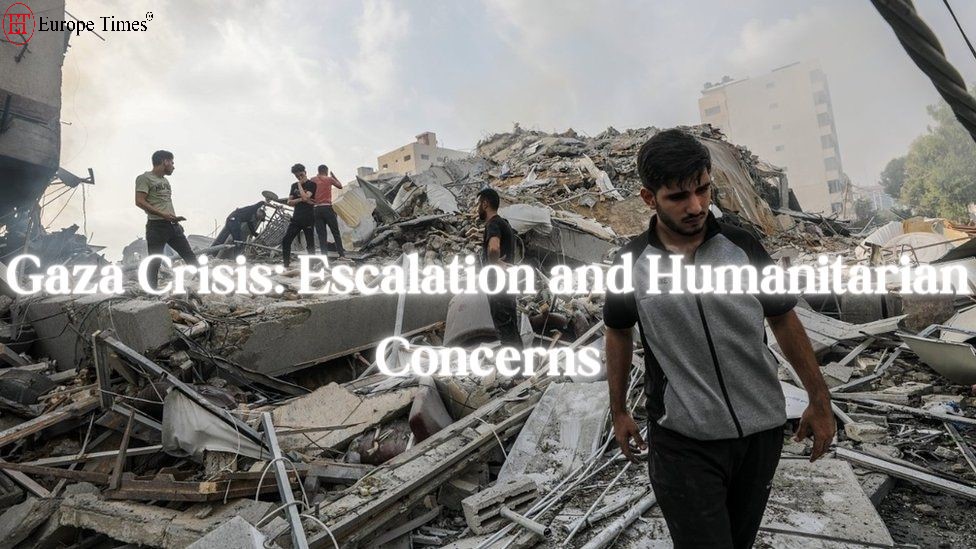
On Saturday morning, there were celebrations in Gaza as Hamas launched thousands of rockets into Israel and carried out deadly cross-border attacks. However, the situation took a grim turn the following day. Israeli shelling continued relentlessly throughout the night and into Sunday morning, driving people indoors as explosions rocked the area. Gaza was shrouded in clouds of black smoke as Israeli strikes hit 150 targets, including military positions, Hamas leaders’ homes, and banks. Among the significant targets was the Watan Tower, a vital hub for internet providers in Gaza.

The retaliatory Israeli air strikes have resulted in more than 400 casualties, severely straining Gaza’s already dire humanitarian situation. Power and water supplies have been disrupted, leaving most areas without electricity. Rubble obstructed roads in Gaza City, where shops were shuttered, except for a few bakeries with long queues.

Gaza’s hospitals, ill-equipped even in peaceful times, are overwhelmed, with desperate appeals for blood donors. According to Mahmoud Shalabi of the charity Medical Aid for Palestinians, the main hospital resembled a “slaughterhouse,” with an influx of casualties and overwhelmed medical staff.

Later on Sunday, the Israeli army sent SMS messages to Gaza City residents, advising them to seek shelter ahead of strikes. Over 20,000 people headed to United Nations sites in the area.

Hamas, in control of Gaza for 17 years, was seemingly prepared for such massive retaliation, having declared readiness for war with Israel. Despite the blockade, the group claims to have smuggled weapons and developed its arsenal. While some Gazans celebrated Hamas’ rocket attacks, many are apprehensive about the prolonged violence and uncertain future.

Picture courtesy: Google/images are subject to copyright