
featured News Trending

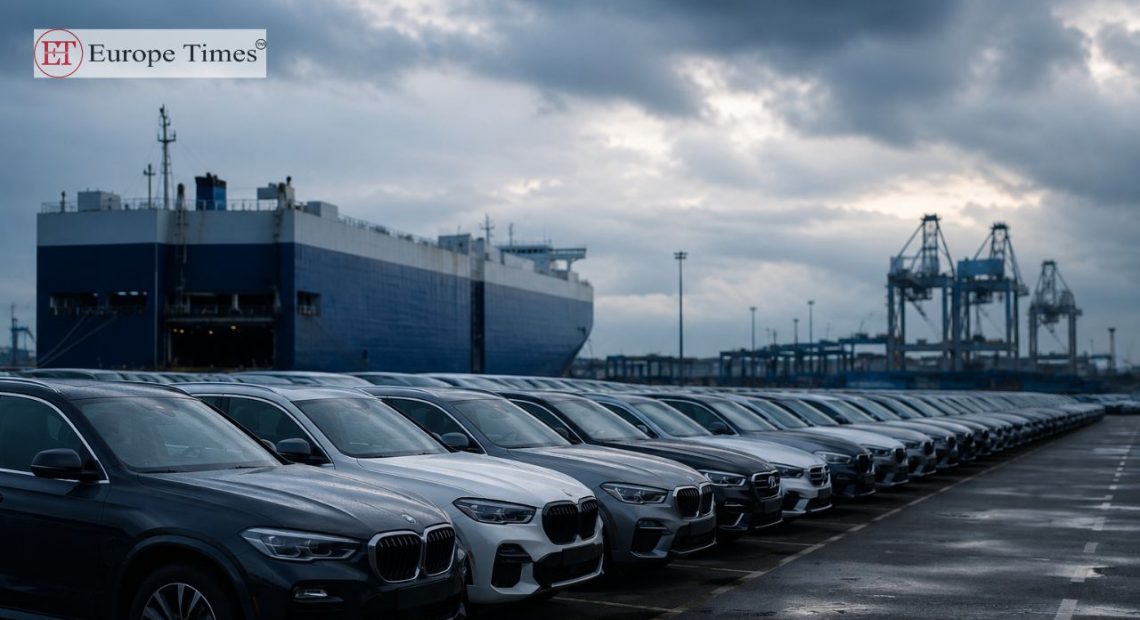
German automakers are losing momentum as global rivals gain ground, according to a new EY analysis. While major automotive groups worldwide posted a 2% increase in first-quarter revenue, German manufacturers recorded a 4% decline, reflecting growing challenges in key international markets.

Industry experts point to a combination of factors behind the downturn, including trade tariffs, geopolitical tensions, weakening demand in the United States and China, and the rapid pace of technological change. German carmakers are also grappling with high software development costs, excess production capacity, and a slower-than-expected transition to electric vehicles.
The outlook remains challenging as rising fuel prices and inflation, fueled in part by geopolitical uncertainty, threaten consumer demand across Europe. EY warned that the sector’s structural transformation is far from over, with 2026 likely to remain a difficult year for Germany’s automotive industry.

Pic courtesy: google/ images are subject to copyright

featured News Trending

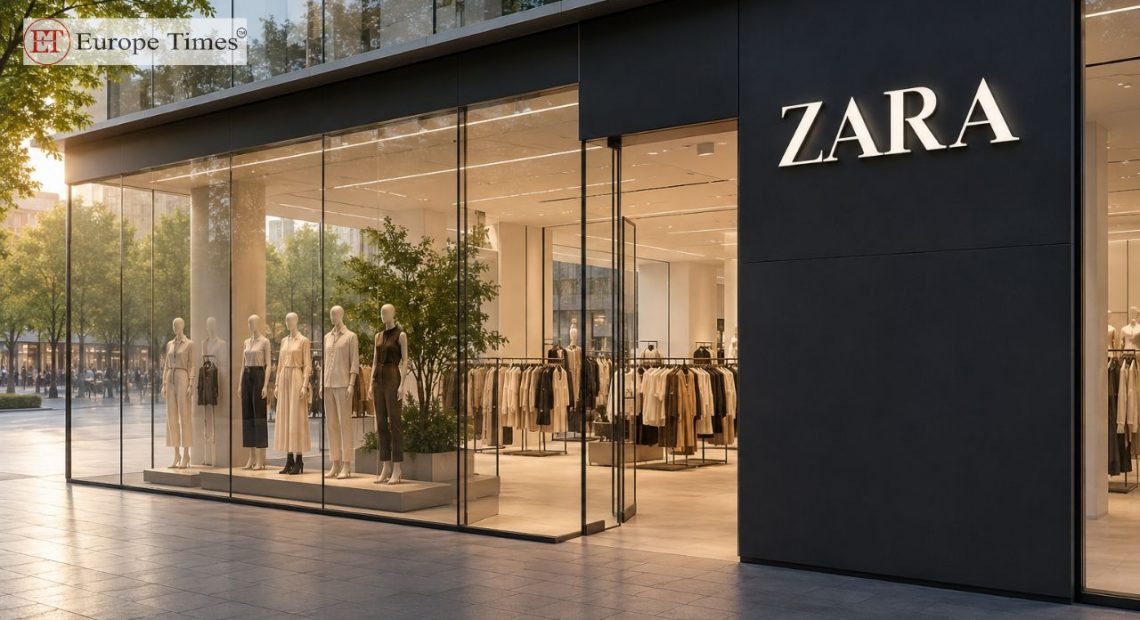
Zara owner Inditex has reassured investors with a strong start to the summer season, reporting currency-adjusted sales growth of 11.5% in May, well above analysts’ expectations of 8%. The performance comes despite weaker consumer confidence and economic uncertainty linked to rising inflation concerns and geopolitical tensions. The retailer’s shares climbed as much as 5% following the announcement.

During the February-to-April quarter, Inditex recorded sales of €8.75 billion, representing an 8.8% increase on a currency-adjusted basis. The company also improved profitability, with gross margin rising to 61.2% from 60.6% a year earlier. Executives said the group has successfully adapted its supply chain to manage disruptions in global shipping and transportation caused by the ongoing conflict in the Middle East.

Inditex remains optimistic about future growth, particularly in the United States, its second-largest market after Spain. The company said sales growth is being driven mainly by higher product volumes rather than price increases, while investments in larger stores and strategic expansions continue to attract customers. Inditex maintained its full-year outlook, including stable gross margins, a 5% increase in retail space, and capital expenditure of €2.3 billion.

Pic courtesy: google/ images are subject to copyright