featured News Trending

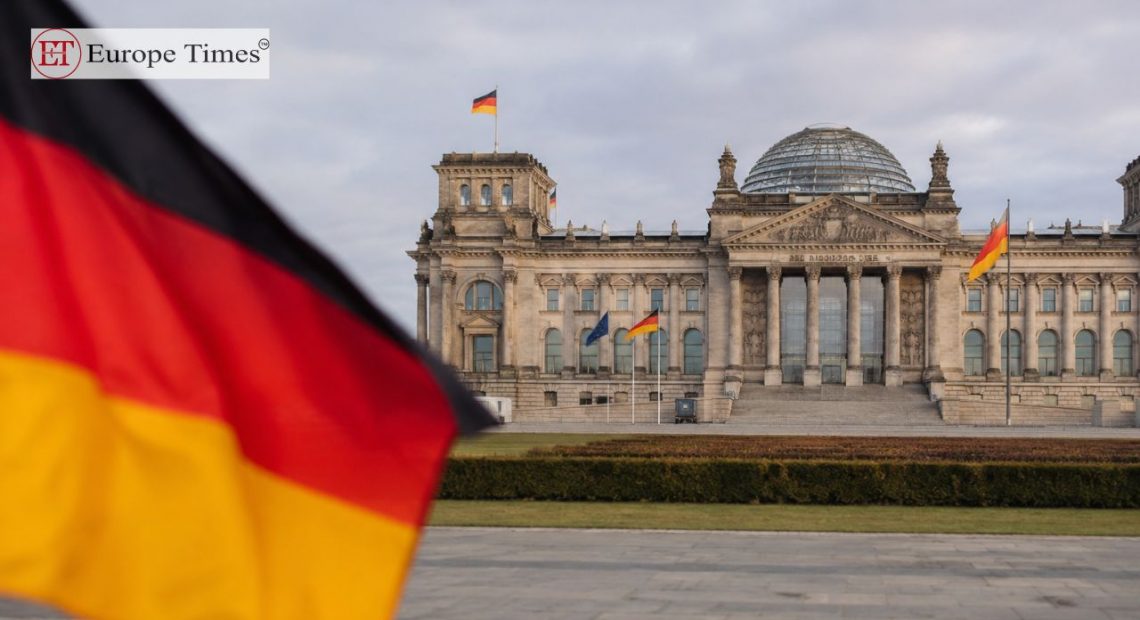
Germany’s far-right Alternative for Germany (AfD) is seeking a majority in the Saxony-Anhalt state election, hoping to gain government power for the first time at state level in post-war Germany. A strong result could also strengthen the party’s position ahead of its broader push for national influence.

AfD candidate Ulrich Siegmund has dominated campaigning in the eastern state, where the party has gained support amid concerns over immigration, public safety, the economy, energy costs and Germany’s foreign aid policies. The party’s controversial proposals include stricter immigration measures and changes to education and cultural policies.

The AfD remains strongest in eastern Germany and is also performing strongly in nationwide polling. However, other major parties have ruled out forming coalitions with it under Germany’s political “firewall” against the far right. A decisive victory in Saxony-Anhalt would therefore present a major test of that barrier and give the AfD significant influence over areas such as education, policing and culture.

Pic courtesy: google/ images are subject to copyright

featured News Trending

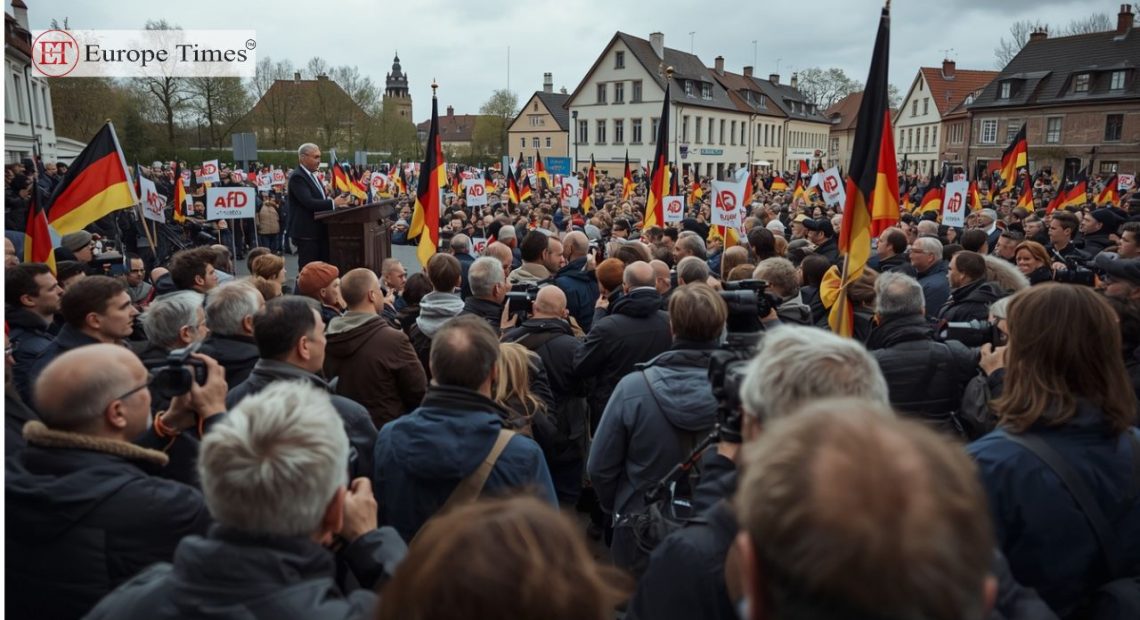
Germany’s far-right party, the Alternative for Germany (AfD), is gaining strong support in eastern Germany as Chancellor Friedrich Merz struggles with falling approval ratings and economic concerns. In Saxony-Anhalt, AfD leader Ulrich Siegmund believes the party could secure its first state premiership in the September elections. The AfD has been attracting voters through local “citizen dialogues,” with many supporters expressing frustration over rising living costs, immigration, and dissatisfaction with the current government.

Despite economic investments and development projects in towns like Halberstadt, concerns over inflation, energy prices, and Germany’s slowing economy continue to fuel public anxiety. Recent polls show the AfD reaching up to 41% support in Saxony-Anhalt and 29% nationally, ahead of Merz’s conservatives. The party argues that Germany’s identity is under threat from mass immigration and progressive social policies, while mainstream parties continue to reject any cooperation with the AfD under the country’s political “firewall” strategy.

The possibility of an AfD-led state government has sparked concern among officials and political rivals, especially given the party’s classification as “far-right extremist” by regional security authorities. Critics warn that handing the AfD control of state institutions could have major consequences for German politics. However, many voters at recent rallies said they are willing to give the party a chance, believing traditional parties have failed to address economic struggles and public concerns.

Pic courtesy: google/ images are subject to copyright