
featured News Trending

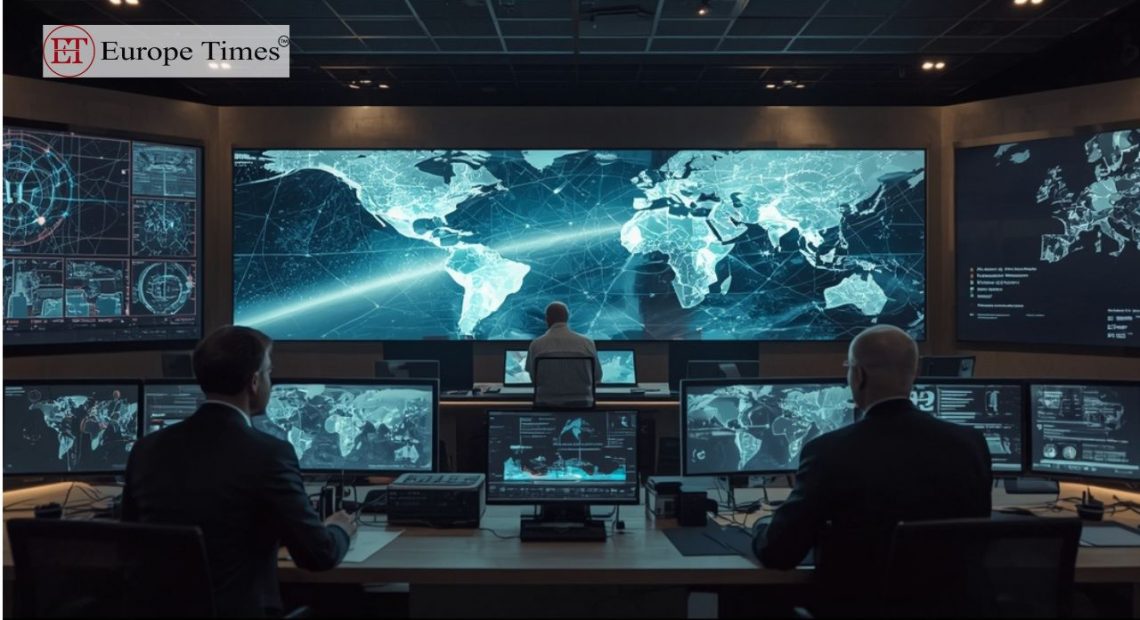
France-based defence technology company Thales has called for an international framework to govern the development of artificial intelligence. CEO Patrice Caine said AI can be kept under control through technical safeguards backed by government oversight.

The comments come amid a wider debate over how quickly AI should develop and what regulatory guardrails should be introduced. Caine said the issue requires government-level action alongside technical protections.
AI is also becoming increasingly important in defence, including the analysis of drone footage and satellite imagery. Thales is developing its own AI-enabled Hexaforce system, as European defence companies seek greater technological autonomy following NATO’s selection of Palantir’s Maven Smart System for command operations.

Pic courtesy: google/ images are subject to copyright

featured News Trending

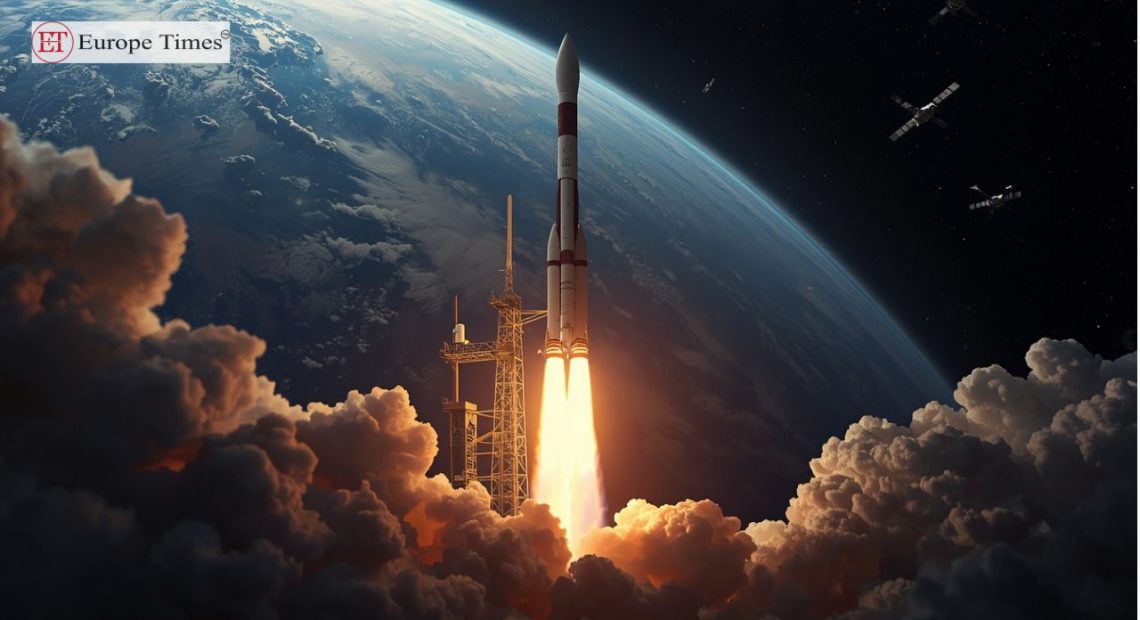
Europe may increase the launch frequency of its Ariane 6 and Vega-C rockets to meet growing demand for satellite deployments, the European Space Agency (ESA) said. ESA Director General Josef Aschbacher warned that launch demand could peak around 2030, creating a potential capacity bottleneck if preparations are not made soon.

Arianespace currently expects to conduct nine or 10 Ariane 6 launches annually from 2027. However, demand from European missions and commercial customers, including Amazon, could exceed planned capacity. Amazon has already commissioned 18 launches, prompting ESA to assess whether additional capacity will be needed to meet future requirements.

ESA is also examining plans to launch astronauts on European rockets instead of relying on U.S. vehicles, while the agency is monitoring a proposed merger involving major European satellite manufacturers. ESA, which accounts for about 60% of Europe’s public-sector satellite spending, said it could use industrial policy measures to maintain competition and strengthen the European space industry’s supply chain.

Pic courtesy: google/ images are subject to copyright