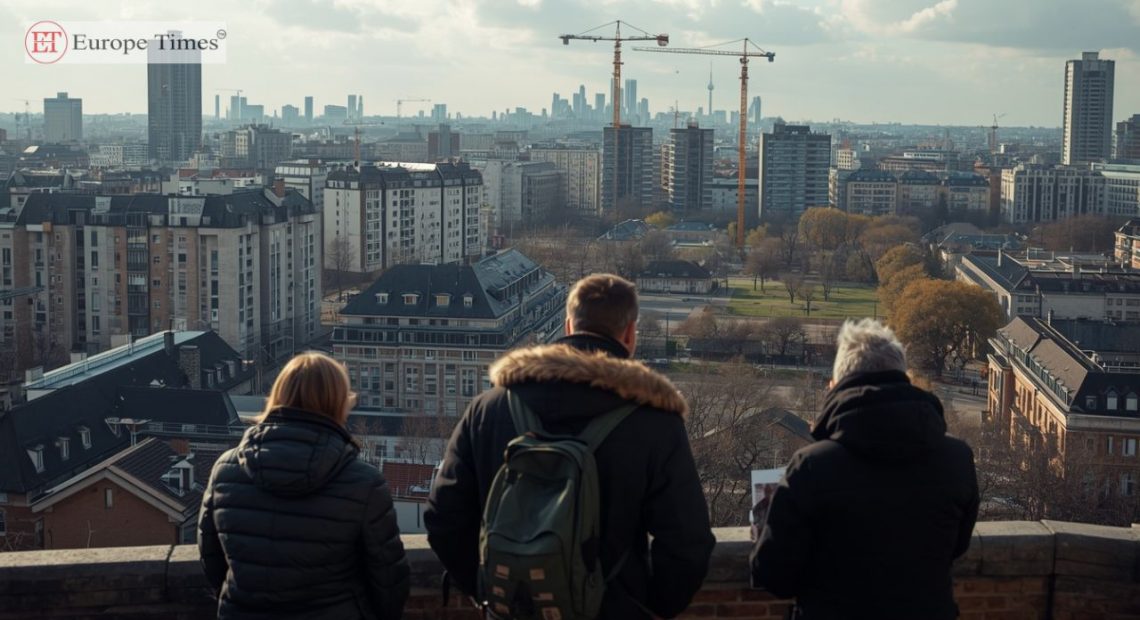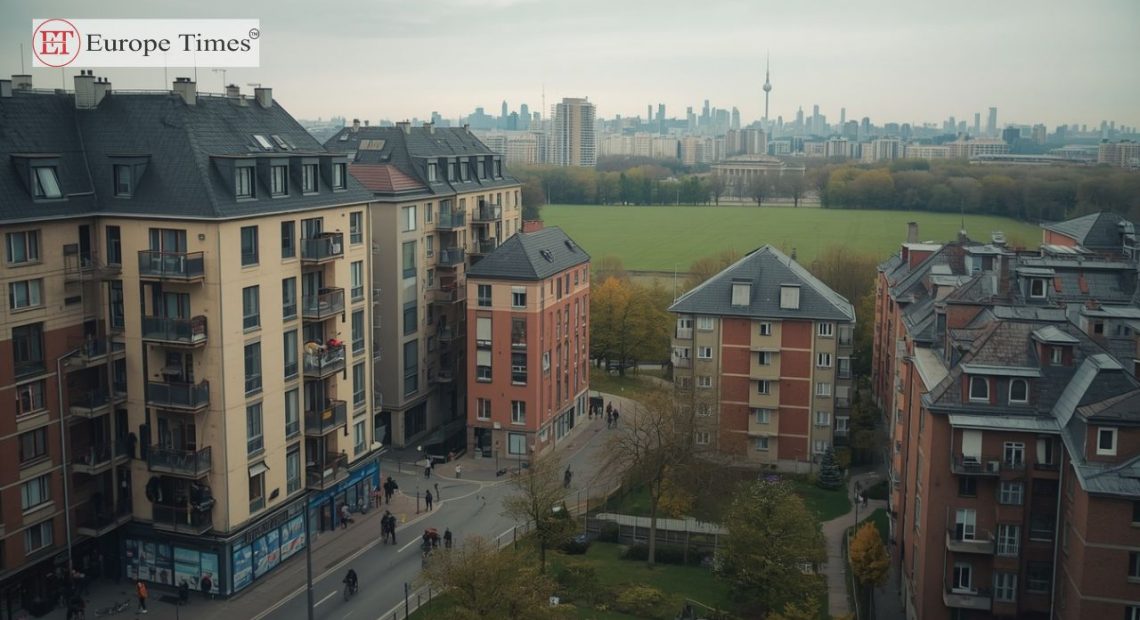
Berlin’s housing shortage and soaring rents have emerged as the biggest concerns ahead of the city election on September 20. Around 85% of households in the German capital are renters, while advertised rents have nearly doubled since 2014. Berlin is expected to need around 211,000 additional homes by 2040, intensifying pressure on the city government.
A major point of debate is the future of Tempelhofer Feld, the former airport that is now a vast public park. Supporters of limited development argue that building homes on part of the site could help ease the shortage, while opponents want to preserve the open space. Political parties have offered different proposals, including affordable housing construction, rent restrictions and greater protection for existing homes.
Berlin’s economic growth and expanding population have increased demand for housing, pushing up rents and land prices. Thousands of residents recently protested against high housing costs, with some saying they face rents of €1,500 or more for small apartments. The election is also being closely watched as another test for Chancellor Friedrich Merz’s national government.