
featured News Trending

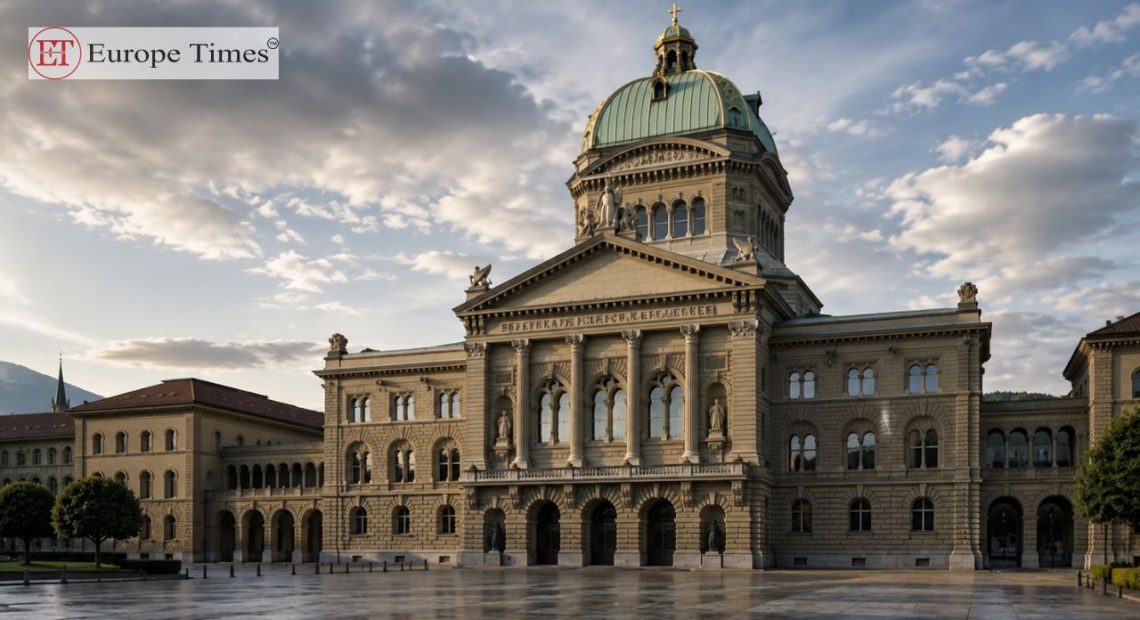
Switzerland’s government has rejected a proposal to introduce a stricter definition of neutrality into the country’s constitution ahead of a nationwide referendum on September 27. The initiative seeks to make Swiss neutrality permanent and armed, while preventing the country from joining military alliances.

Supporters, backed by the right-wing Swiss People’s Party, argue that Switzerland’s neutrality has been weakened by its decision to impose sanctions on Russia following the invasion of Ukraine and by closer cooperation with NATO on areas including military training. They also want Switzerland barred from taking part in conflicts between third countries or imposing sanctions on warring nations unless authorised by the United Nations.
Foreign Minister Ignazio Cassis defended the government’s position, saying Switzerland remains neutral and does not need a more restrictive definition. He warned that the proposed constitutional changes could limit the country’s ability to cooperate with foreign partners during emerging security threats. A June Tamedia poll showed 34% support for the initiative, compared with 54% opposed.

Pic courtesy: google/ images are subject to copyright

featured News Trending

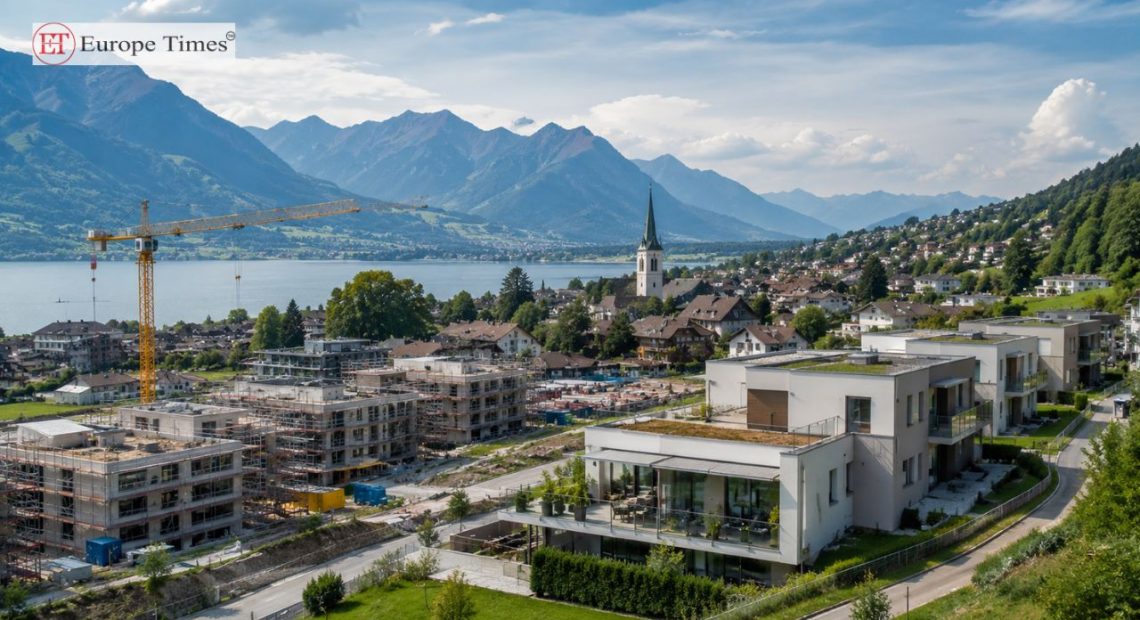
Rising housing costs and growing pressure on public infrastructure in parts of Switzerland are strengthening support for a national referendum aimed at limiting population growth. Residents in the village of Knonau, near the prosperous canton of Zug, say rapid expansion driven by economic growth and immigration has transformed the area and strained local services. Switzerland will vote on June 14 on a proposal backed by the right-wing Swiss People’s Party to cap the country’s population at 10 million before 2050.

Supporters of the initiative argue Switzerland is becoming overcrowded and that immigration levels are unsustainable. The country’s population has already exceeded 9 million, with more than one in four residents being foreign nationals, most from European countries. Critics, including the Swiss government and business groups, warn the proposal could damage Switzerland’s economic ties with the European Union by threatening freedom of movement agreements that support access to the European single market.

The debate has intensified in Zug, one of Switzerland’s wealthiest regions, where low taxes have attracted global businesses and wealthy residents, pushing property prices sharply higher. Real estate costs in the town of Zug now exceed those in cities such as Geneva, according to property consultants. While some locals blame population growth for soaring housing prices, opponents of the initiative say restricting immigration could hurt businesses and worsen labour shortages in the long run.

Pic courtesy: google/ images are subject to copyright