featured News Trending

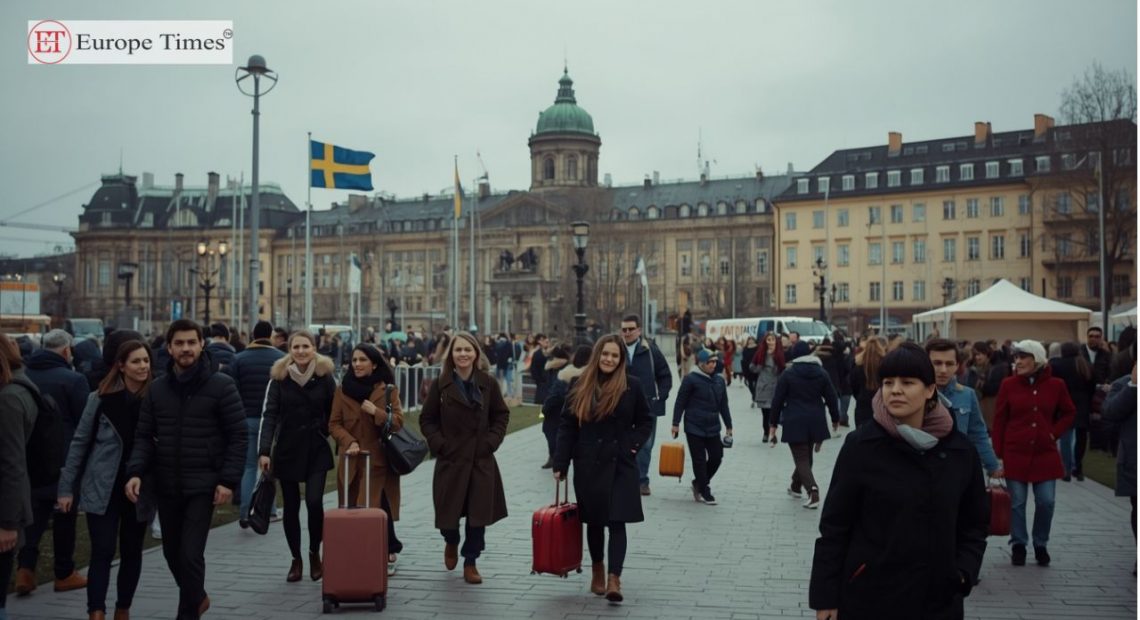
Sweden is taking a tougher approach to immigration ahead of its September 13 election, with the government offering foreign-born residents with non-EU residency permits up to 350,000 Swedish crowns (around $37,000) to leave the country. The policy marks a major shift for Sweden, which was once among Europe’s most welcoming countries for asylum seekers. The country received around 163,000 asylum seekers in 2015, but the number had fallen sharply by 2025.

The government says the voluntary “remigration” scheme is part of its broader effort to reduce immigration and address concerns over integration and crime. The programme has a budget of 1.3 billion Swedish crowns and has attracted support from the Sweden Democrats, a far-right party that supports the government in parliament. However, uptake has remained low, with only 171 people accepting the financial offer so far this year. Critics argue the programme is largely symbolic and designed to demonstrate a tougher stance on migration.

The policy has also sparked concern among immigrant communities and civil rights groups. Many immigrants interviewed by Reuters said they had no intention of leaving Sweden, citing their jobs, families, safety and hopes for a better future. The government has introduced other stricter measures, including citizenship tests and changes to residency rules. With opinion polls showing a close race between the governing bloc and the centre-left opposition, immigration remains one of the key issues shaping Sweden’s election debate.

Pic courtesy: google/ images are subject to copyright

featured News Trending

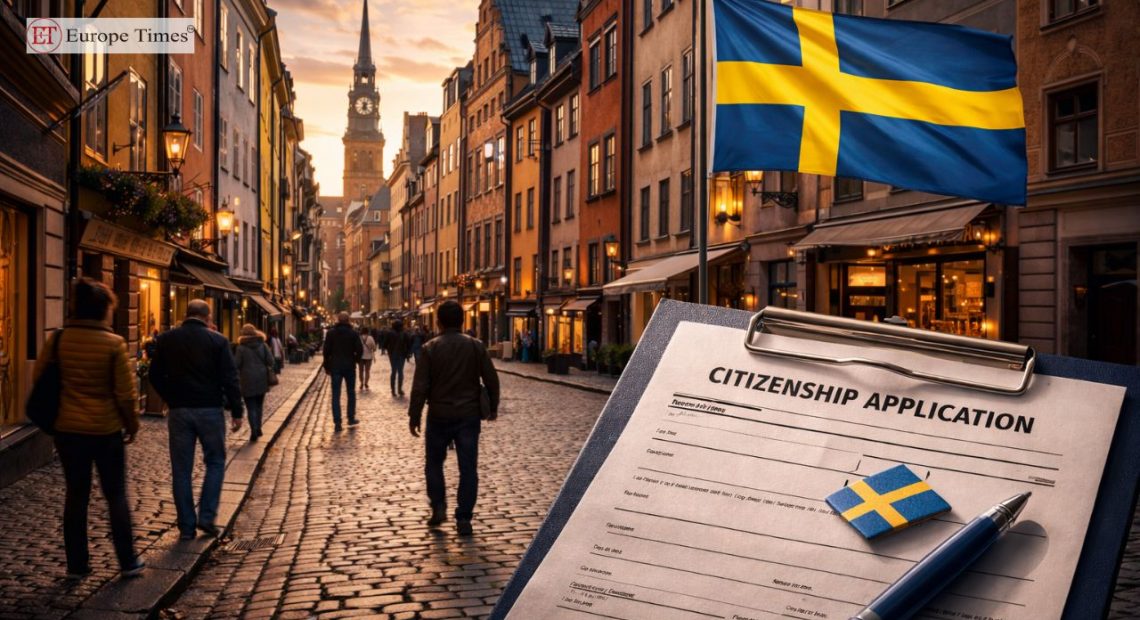
Sweden’s government announced plans to tighten citizenship rules, extending the required residency period from five to eight years, introducing a minimum monthly income threshold of 20,000 Swedish crowns ($2,225), and requiring applicants to pass a language and cultural knowledge test. Migration Minister Johan Forssell said the stricter measures aim to ensure applicants understand Swedish society and meet basic economic and social standards.

The new rules also impose longer waiting periods for individuals with criminal records. For instance, someone who served a four-year prison sentence would have to wait 15 years before applying for citizenship. The changes are part of a broader effort by the centre-right coalition to restrict immigration, which has been a contentious issue in Swedish politics since the large influx of asylum seekers in 2015.

The anti-immigration Sweden Democrats, supporting the minority government, have linked past immigration policies to rising gang-related crime. The stricter citizenship rules are expected to come into force on June 6, coinciding with other planned measures aimed at tightening asylum policies.

Pic courtesy: google/ images are subject to copyright