featured News Trending

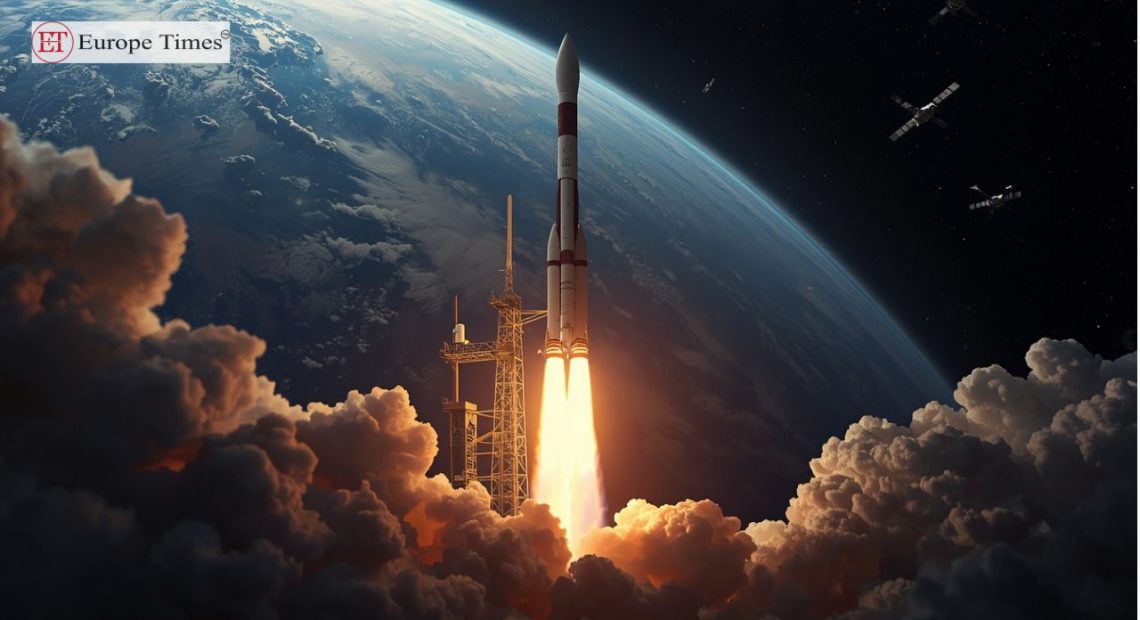
Europe may increase the launch frequency of its Ariane 6 and Vega-C rockets to meet growing demand for satellite deployments, the European Space Agency (ESA) said. ESA Director General Josef Aschbacher warned that launch demand could peak around 2030, creating a potential capacity bottleneck if preparations are not made soon.

Arianespace currently expects to conduct nine or 10 Ariane 6 launches annually from 2027. However, demand from European missions and commercial customers, including Amazon, could exceed planned capacity. Amazon has already commissioned 18 launches, prompting ESA to assess whether additional capacity will be needed to meet future requirements.

ESA is also examining plans to launch astronauts on European rockets instead of relying on U.S. vehicles, while the agency is monitoring a proposed merger involving major European satellite manufacturers. ESA, which accounts for about 60% of Europe’s public-sector satellite spending, said it could use industrial policy measures to maintain competition and strengthen the European space industry’s supply chain.

Pic courtesy: google/ images are subject to copyright

featured News Trending

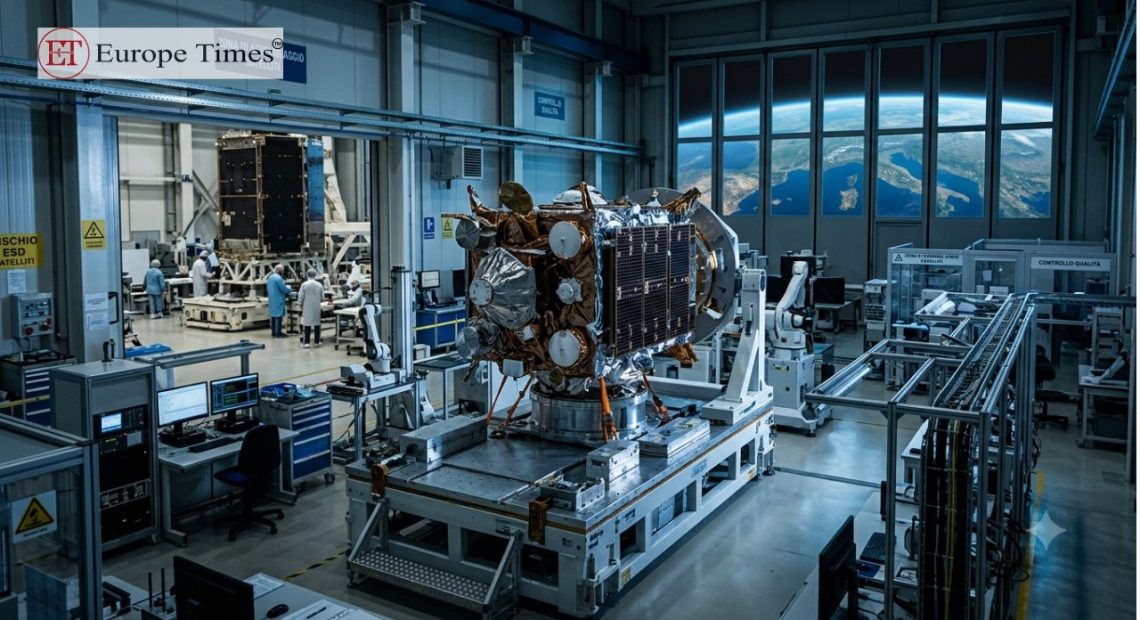
As Europe accelerates efforts to strengthen its strategic autonomy in defence and critical technologies, Italy’s space industry is facing mounting pressure to scale up. Historically defined by small and medium-sized enterprises (SMEs) with niche engineering expertise, the sector is struggling to meet evolving customer demands. Major defence buyers like Leonardo, alongside commercial clients, are increasingly favoring larger suppliers that can offer vertical integration, broad production capacity, and end-to-end industrial solutions rather than standalone components or engineering know-how.

The push for scale is driven by the growing importance of dual-use (civilian and military) technologies, competition from heavily capitalized global players like SpaceX, and broader geopolitical shifts. However, Italian executives point to limited access to private capital and fragmented European funding as significant barriers to growth. To overcome these hurdles, public and private initiatives are stepping in—such as a joint financing program by Intesa Sanpaolo, the European Investment Bank, and the European Space Agency aimed at providing up to €300 million to space SMEs, as well as an estimated €7.8 billion in total national sector investments expected by 2028.

To build competitiveness quickly without sacrificing specialized innovation, leading Italian space firms are turning to mergers and acquisitions. Companies like Officina Stellare and D-Orbit are actively acquiring complementary tech and production specialists to expand their capabilities and secure larger government and defence contracts. Industry leaders emphasize that the key challenge moving forward is securing the necessary scale and capital before foreign competitors outpace or acquire them.

Pic courtesy: google/ images are subject to copyright