featured News Trending

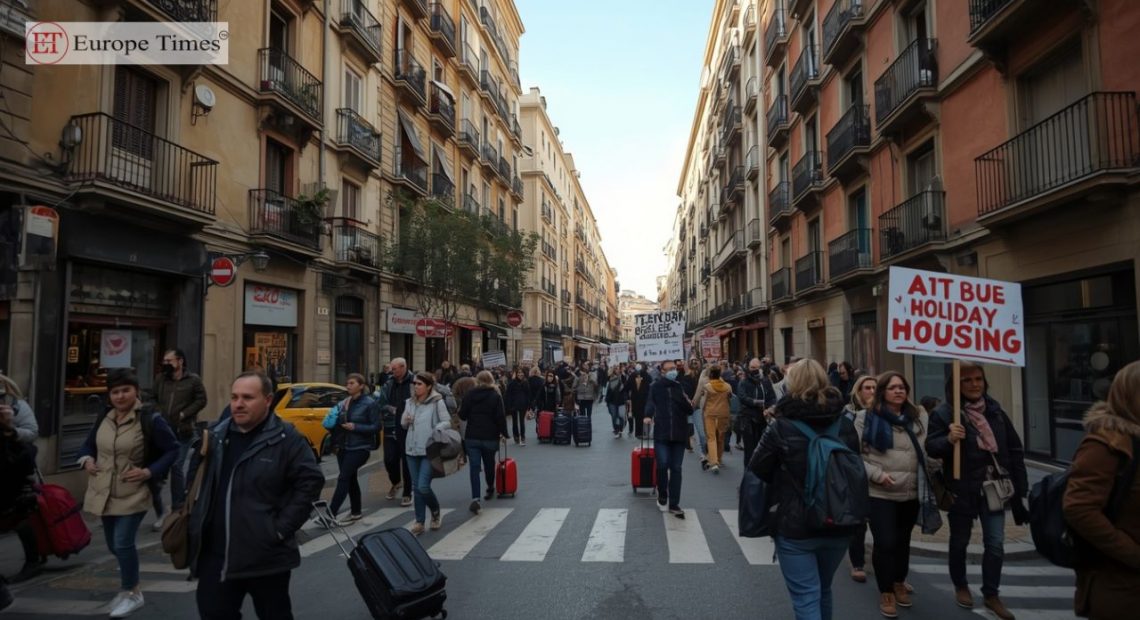
The European Union is considering new rules to restrict Airbnb and other short-term rental platforms in areas facing housing shortages. The proposal aims to address rising housing costs in popular tourist destinations, where residents have protested the growing number of holiday rentals.

The draft Affordable Housing Act would allow authorities to identify areas under housing pressure based on factors such as housing affordability, population growth and the balance between housing supply and demand. Instead of outright bans, governments could introduce limits on short-term rentals or protections for existing operators.
European Commission Vice-President Teresa Ribera is expected to present the proposal on September 9. It will then need to be debated by EU member states and the European Parliament before becoming law. The plan follows new EU rules requiring short-term rental platforms to share listing data with authorities, while industry groups have warned against disproportionate restrictions.

featured News Trending

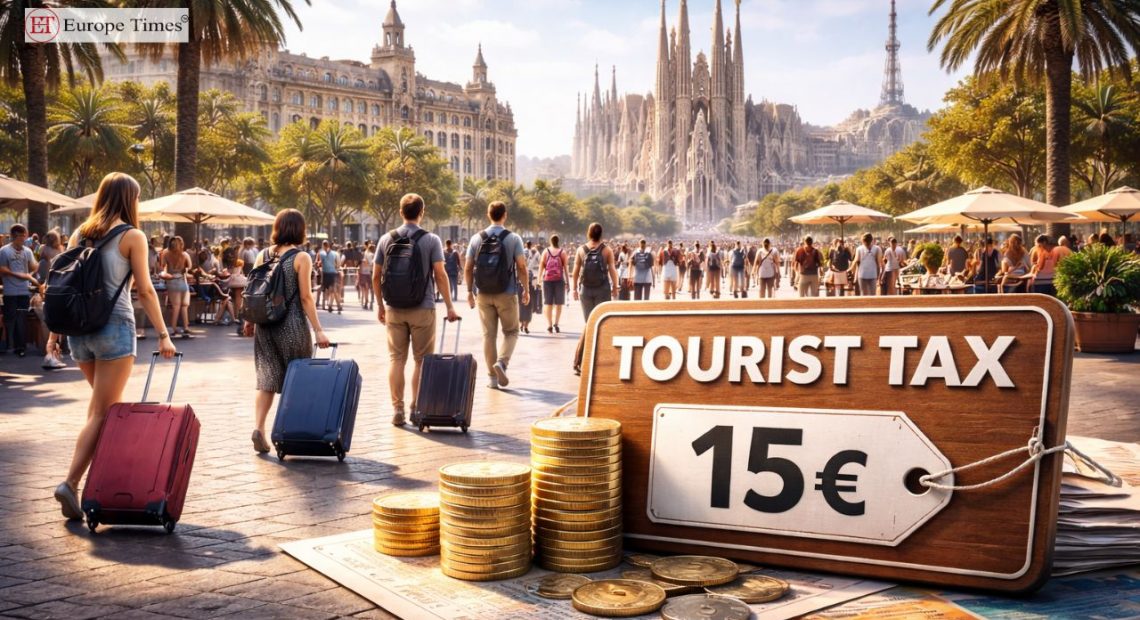
Barcelona has raised its tourism tax to one of the highest levels in Europe, doubling the levy on hotel guests from 5–7.5 euros to 10–15 euros per night starting in April. The move aims to curb tourist numbers and help finance affordable housing projects, with a quarter of the revenue earmarked for addressing the city’s housing crisis. Short-term holiday rentals will also see a tax increase, from 6.25 euros to a maximum of 12.5 euros per night.

The tax hike affects both hotels and cruise passengers, with a two-night stay at a four-star hotel now potentially adding 45.60 euros to costs. Barcelona, one of the world’s top convention destinations, will not exempt attendees from the levy. The city has also announced plans to ban all short-term rentals by 2028 to control the housing market and manage tourism pressure.

Hotel owners have voiced concerns that the steep tax increase could deter visitors and impact revenue, warning that it may backfire on the city’s lucrative tourism industry. Barcelona welcomes around 15.8 million tourists annually, making the potential economic impact of the tax significant.

Pic courtesy: google/ images are subject to copyright

News Trending

The mayor of Barcelona, Jaume Collboni, has announced plans to phase out short-term tourist rentals in the city within five years. He stated that no renewals will be granted for the 10,101 tourist licenses currently in place when they expire by November 2028. These apartments, commonly listed on platforms like Airbnb, will instead be reserved for local residents.

Collboni argued that this measure, equivalent to creating 10,000 new homes, aims to address skyrocketing rents, which have risen by 70% over the past decade, making housing unaffordable. Barcelona faces a housing shortage exacerbated by high tourism rates and its emergence as a tech hub, without sufficient new construction to meet demand, thereby inflating prices.

While some politicians and groups support the move as a way to alleviate housing pressure, others criticize it for infringing on property rights and argue that waiting until 2028 is too long for residents facing immediate displacement. Right-wing critics likened the policy to property expropriation seen in regimes like Venezuela’s, while tourist apartment associations claimed it would drive illegal rentals.

The debate reflects broader tensions in Spain over the impacts of mass tourism on local communities and housing affordability.

Picture Courtesy: Google/images are subject to copyright