featured News Trending

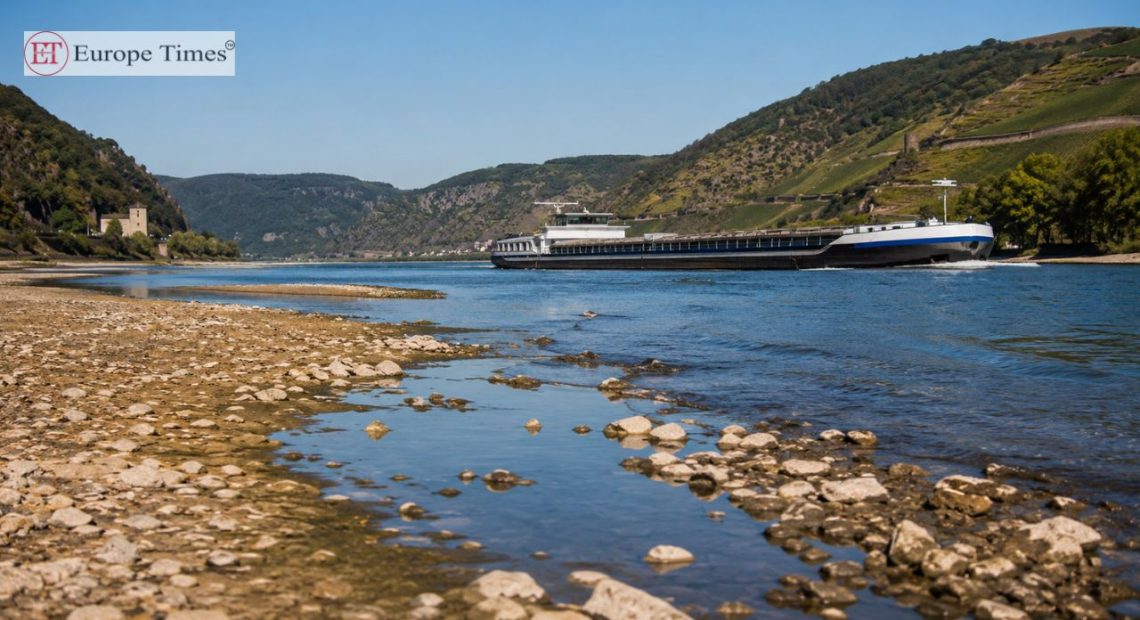
The Rhine River in Germany has fallen to record-low levels amid a prolonged heatwave and scarce rainfall, disrupting one of Europe’s most important commercial waterways. At the Kaub chokepoint near Koblenz, navigable water depth dropped to just 15 cm on Tuesday, below the previous record low of 25 cm recorded in 2018.

The extremely shallow conditions have forced many cargo operators to halt sailings on southern sections of the river. Vessels that continue operating can carry only around 20% of their normal loads, forcing freight to be spread across multiple ships and significantly increasing transportation costs. Some cargo is also being shifted to road transport.

The disruption could have wider consequences for Germany’s economy, as the Rhine carries major volumes of grains, minerals, coal and refined oil products. Analysts warn that prolonged record-low water levels could weigh on economic growth just as Germany’s economy is showing early signs of recovery. Northern sections of the river remain navigable, but continued dry weather could worsen the situation.

Pic courtesy: google/ images are subject to copyright

featured News Trending

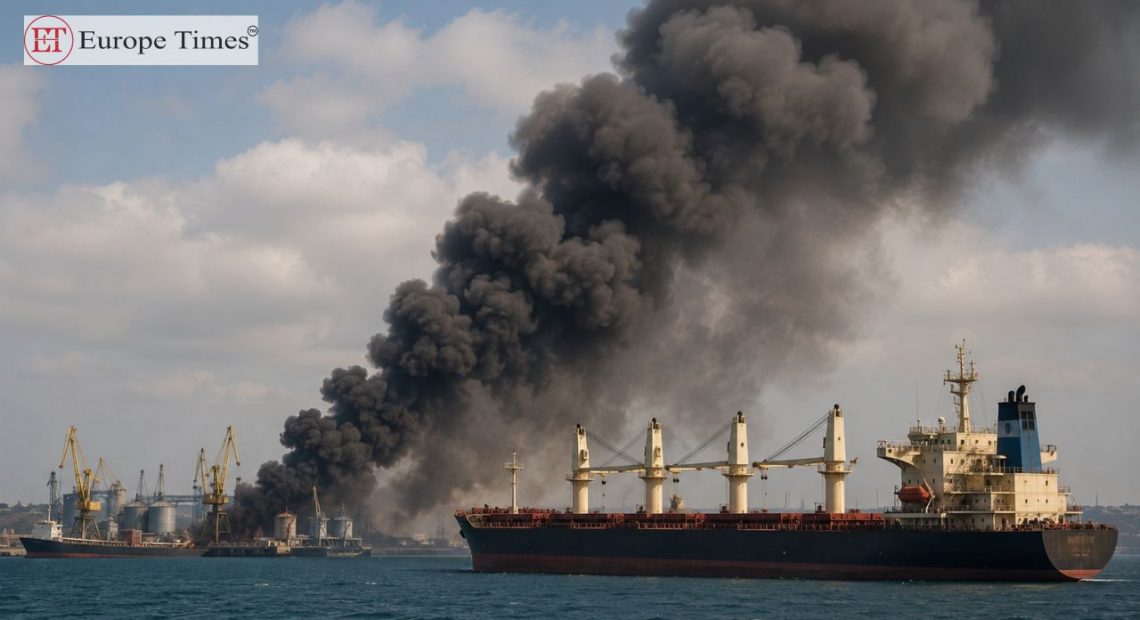
Shipowners have temporarily suspended vessel arrivals at Ukraine’s Black Sea ports for agricultural exports following a surge in Russian missile and drone attacks on ports and merchant ships. Ukraine’s Agriculture Ministry said the suspension was a decision taken by shipowners, while the government has not imposed any official restrictions.

According to traders and analysts, Ukraine has lost nearly one-third of its grain export capacity through the Black Sea due to the recent attacks. Although alternative export routes remain available, officials said they are currently underutilised. The disruption comes during the peak harvest season, raising concerns over global grain supplies.

Ukraine has requested an urgent United Nations Security Council meeting after reporting multiple attacks on civilian cargo vessels in recent days. Kyiv accused Russia of deliberately targeting maritime trade, while Moscow maintains it is striking infrastructure linked to Ukraine’s military. The escalating conflict has further disrupted shipping across the Black Sea region.

Pic courtesy: google/ images are subject to copyright

featured News Trending

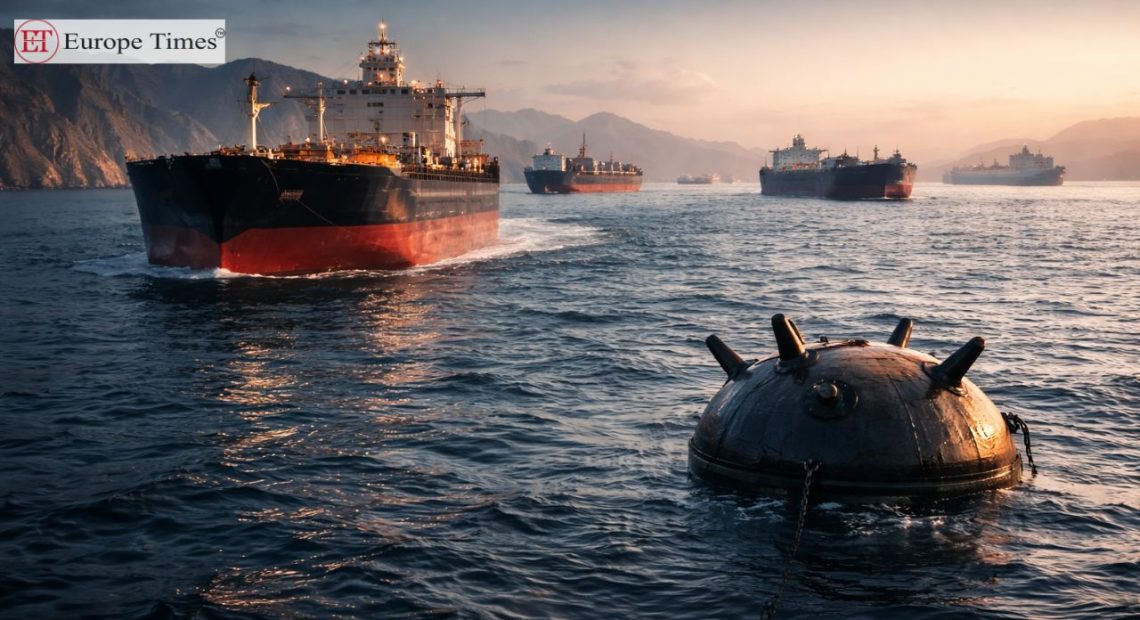
A group of ships attempted to navigate the Strait of Hormuz after Iran announced the key waterway was open to commercial traffic, but many vessels turned back amid lingering uncertainty. Around 20 ships initially moved toward the strait, marking the largest such effort since its closure during recent tensions, though most halted or reversed course without completing the transit.

Shipping companies cautiously welcomed the reopening but stressed the need for clearer safety assurances, particularly regarding potential sea mines and navigation routes. Iran has said vessels can pass during a temporary ceasefire period, but must coordinate with its authorities and follow designated safe lanes, raising operational and compliance concerns among global shippers.

Industry bodies and officials, including the International Maritime Organization, said they were still verifying conditions for safe passage. With unresolved risks and unclear implementation of Iran’s measures, major shipping firms remain hesitant to resume normal operations, highlighting continued instability in one of the world’s most critical oil transit routes.

Pic courtesy: google/ images are subject to copyright