featured News Trending

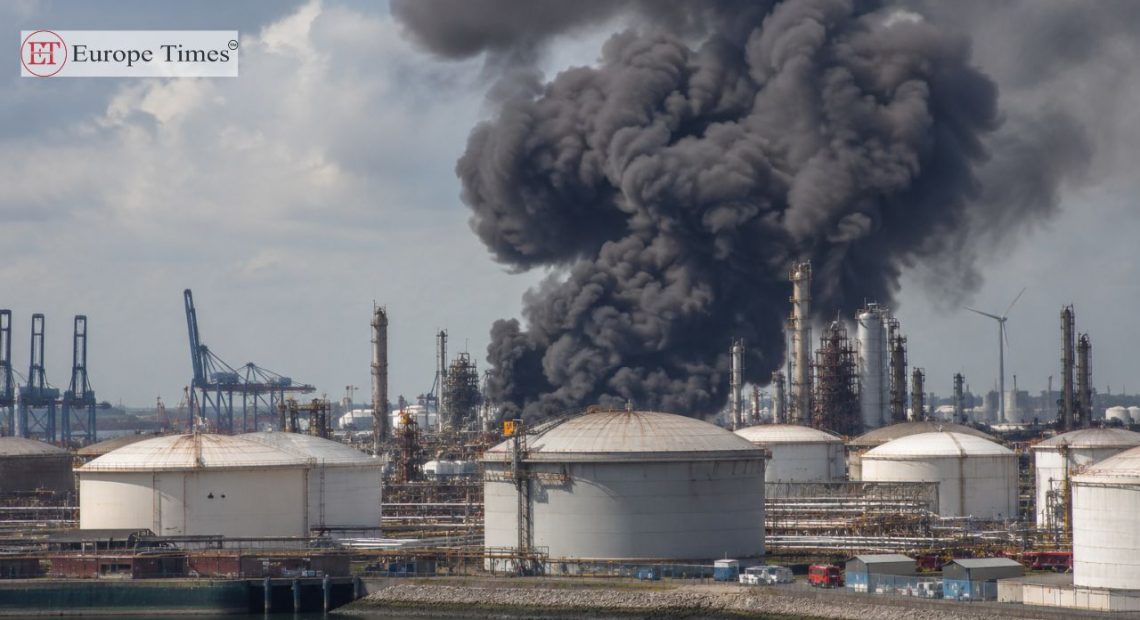
A blast at a petroleum-products storage facility in the Netherlands’ Rotterdam port killed one person and injured several others on Thursday, local officials said. The explosion occurred at around 11:30 a.m. local time, with the cause still under investigation.

Energy commodities trader Gunvor said the incident happened during maintenance work on a storage tank and that it was cooperating with authorities. Police said there was no immediate indication of sabotage, while investigators continued to examine all possible scenarios.

The blast did not affect Shell’s operations or the port’s LNG terminals. ExxonMobil temporarily shut all units at its 191,000-barrel-per-day Rotterdam refinery following a separate power outage. Rotterdam Port said there was no connection between the explosion and the power disruption.

Pic courtesy: google/ images are subject to copyright

featured News

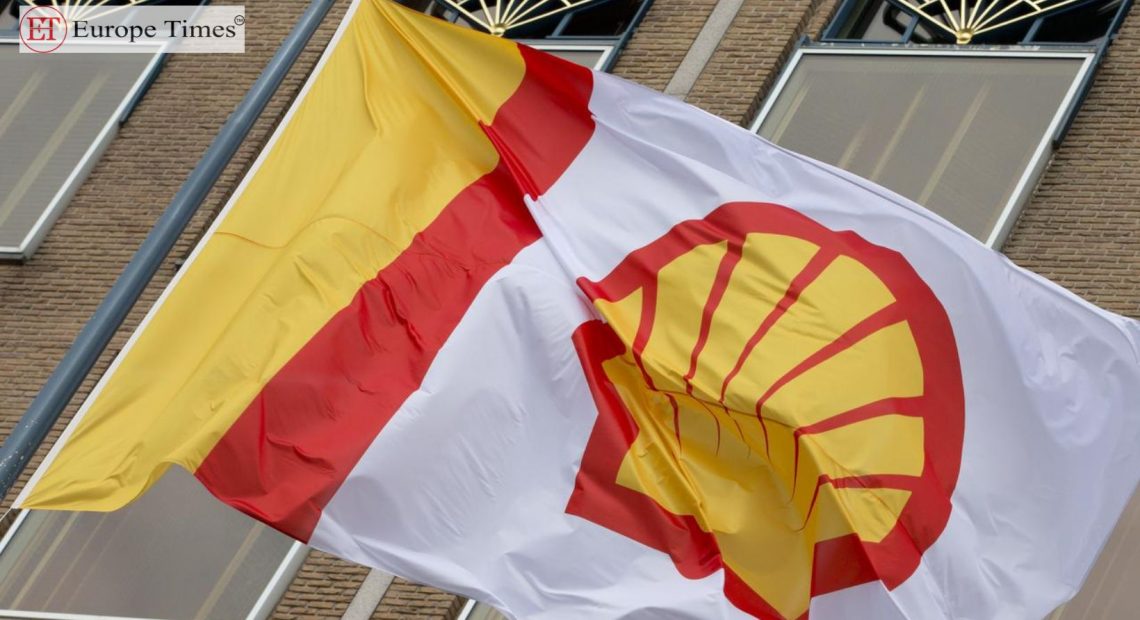
In a significant legal reversal, oil giant Shell has successfully appealed a 2021 Dutch court ruling requiring it to cut its carbon emissions by 45%. The Court of Appeal in The Hague determined that Shell does not have a “social standard of care” to achieve a specific emissions target, despite acknowledging the company’s general obligation to limit environmental impact. This ruling comes as climate discussions among nearly 200 nations unfold in Azerbaijan, underscoring the tension between corporate and environmental obligations.

The initial ruling, supported by Friends of the Earth Netherlands and 17,000 Dutch citizens, marked a historic precedent by mandating that a private company align with the Paris Agreement, which aims to keep global temperatures “well below” a 2°C increase over pre-industrial levels. The appeals court noted Shell’s ongoing efforts to reduce emissions and stated that it could not pinpoint a scientifically accepted target percentage that the company must achieve, suggesting such targets should be set by policymakers rather than individual companies.

Friends of the Earth expressed disappointment and vowed to take the case to the Supreme Court. Shell, meanwhile, defended its emission-reduction strategies, arguing that addressing climate change requires government-led policies rather than singling out one company. The outcome of this case could influence corporate climate accountability globally, as more environmental groups pursue legal channels to enforce emission reductions in line with international agreements.

Pic Courtesy: google/ images are subject to copyright