
featured News Trending

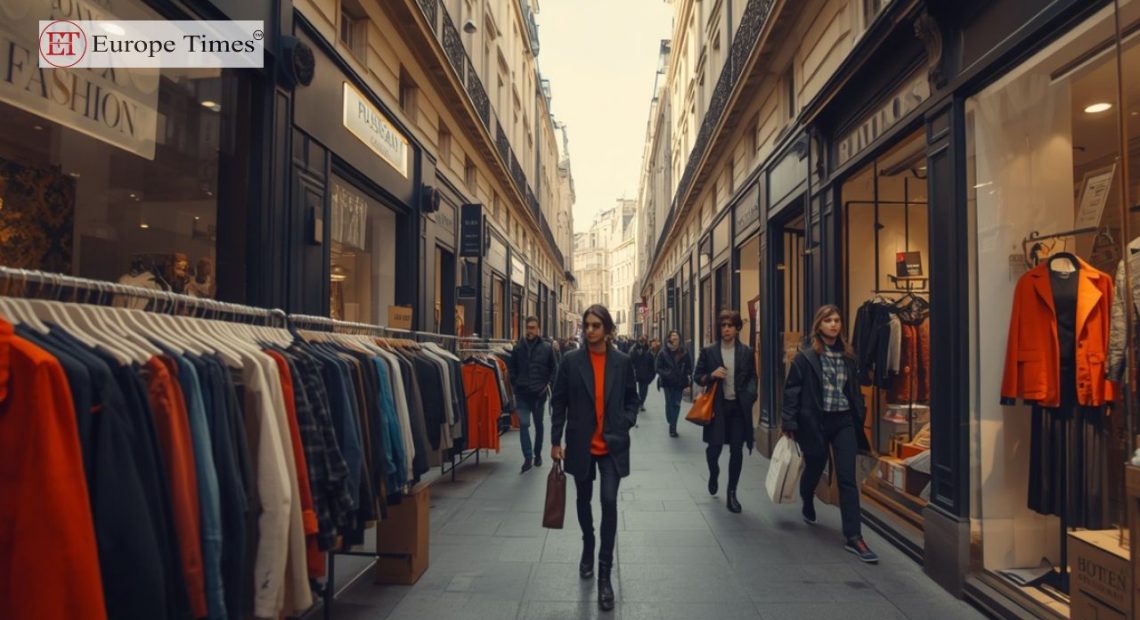
France has introduced new fees on ultra-fast fashion products, with charges potentially reaching nearly €20 per item by 2030. The measure, which came into effect on Tuesday, follows legislation passed in June targeting major e-commerce platforms such as Shein, Temu and AliExpress, which French officials have criticised for encouraging high-volume consumption of inexpensive clothing.

The fees will vary depending on the type of garment and its environmental impact. In 2026, charges range from €0.50 for underwear and €2 for T-shirts to €9 for jeans and €12 for jackets. The levy could rise to €19.50 per item by 2030, although it will remain capped at 50% of the product’s pre-tax price. Retailers such as H&M and Zara are not currently covered by the measure.

French officials say the policy aims to address the environmental and economic impact of ultra-fast fashion. However, China’s commerce ministry has criticised the legislation as discriminatory and potentially inconsistent with World Trade Organization rules. Shein has warned that the fees could hurt French consumers’ purchasing power, while Temu has argued that, as a marketplace rather than a manufacturer, it should not be classified as a fast-fashion company.

Pic courtesy: google/ images are subject to copyright

featured News

Chinese fast-fashion giant Shein opened its first permanent physical store on Wednesday inside the historic BHV Marais department store in Paris, drawing large crowds of eager shoppers — and equally strong opposition. Protesters gathered outside carrying signs reading “Shame on Shein,” criticizing the retailer’s low-cost business model and its impact on the environment, workers, and local businesses. Police were deployed to manage tensions as the store launched its promotional offer allowing customers to receive vouchers to spend at other BHV outlets.

The move has sparked backlash from lawmakers and retailers who argue that Shein’s practices undermine France’s textile industry and high streets. Paris Mayor Anne Hidalgo and other officials have condemned the partnership, describing it as a “provocation,” especially as France pushes forward a fast-fashion law that could ban Shein from advertising and impose fees on items sold in the country. The retailer also faces scrutiny after regulators fined it €190 million, with new investigations underway into inappropriate content allegedly sold on the platform.

Despite the controversy, Société des Grands Magasins — owner of BHV — sees the collaboration as a lifeline to attract younger shoppers and revive struggling department stores. Shein has rapidly grown its presence in France, reporting 27.3 million average monthly users earlier this year. As concerns over affordability persist, the French government acknowledges the challenge consumers face in accessing fairly priced clothing while maintaining pressure on Shein to comply with national standards.

Pic Courtesy: google/ images are subject to copyright