featured News Trending

The French government is facing mounting public anger following the murder of 11-year-old Lyhanna, a case that has sparked nationwide protests and renewed scrutiny of the country’s handling of child sexual abuse cases. The main suspect had previously been accused of raping a minor in 2025, but prosecutors had not questioned him before his arrest in connection with Lyhanna’s disappearance and death.

Justice Minister Gérald Darmanin acknowledged a “terrible failure” by both the state and judiciary and ordered an investigation into how the case was handled. Prime Minister Sébastien Lecornu has also called for stronger child protection measures, tougher penalties for repeat offenders, and reforms aimed at improving support for victims and case management.

Critics argue the tragedy reflects deeper systemic problems within France’s justice system, including staff shortages, underfunding, and overwhelming case backlogs. Children’s rights groups say thousands of abuse complaints are not processed quickly enough, leaving vulnerable minors at risk. As protests continue across the country, pressure is growing on President Emmanuel Macron and his government to deliver long-term reforms rather than focusing solely on individual accountability.

Pic courtesy: google/ images are subject to copyright

featured News Trending

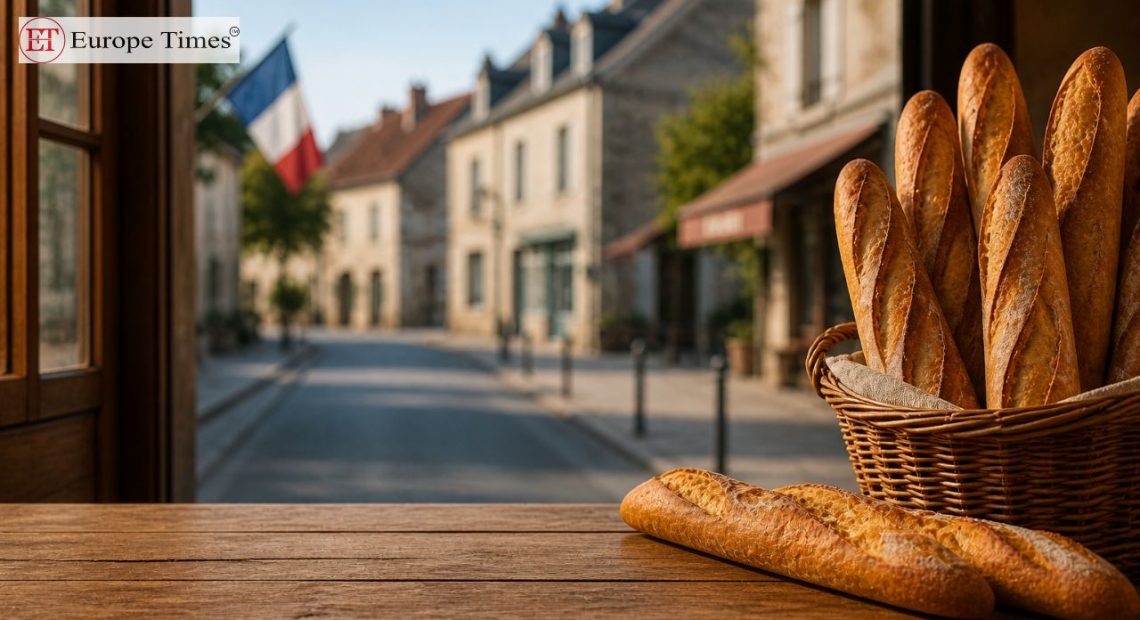
Sébastien Lecornu has stirred controversy after visiting a village bakery on Labour Day to buy baguettes, a move critics say undermines the tradition of May 1 as a mandatory rest day in France. The highly publicised visit, where he purchased bread and flowers, is part of a government push to allow small businesses like bakeries and florists to remain open on the holiday.

The French government argues such shops are essential to daily life and has proposed a bill to exempt them from closure rules, provided employees volunteer to work and receive double pay. Current laws only clearly permit essential services like hospitals and hotels to operate, leaving ambiguity around small retailers.

Labour unions, including leaders like Marylise Léon, have criticised the move as political theatre, warning it could erode workers’ rights. They argue employees may feel pressured to work despite the “voluntary” clause and caution that exceptions could gradually weaken long-standing labour protections across France.

Pic courtesy: google/ images are subject to copyright