featured News Trending

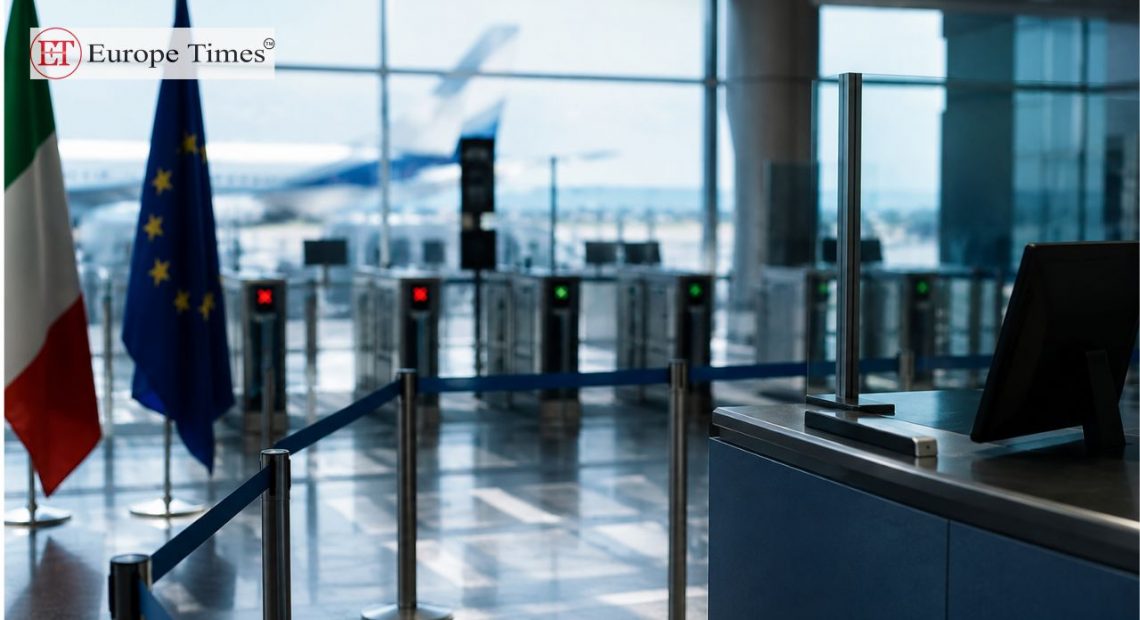
Spain checked nearly 200 travellers arriving from Italy at six major airports on the first day of newly reinstated border controls, following a growing dispute with Rome over irregular migration. Spain’s Interior Ministry said 199 passengers on 12 flights were checked at airports in Madrid, Barcelona, Seville, Bilbao, Alicante and Valencia.

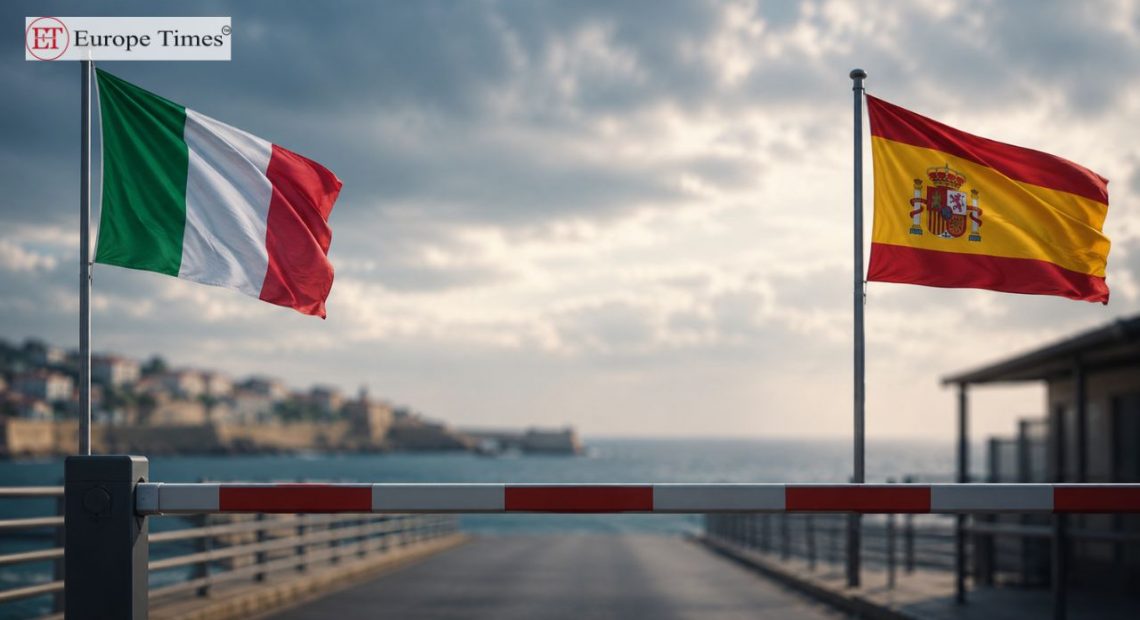
The controls, covering flights and ships from Italy, are scheduled to remain in place until September 7. Spain introduced the measures after Italy suspended the Schengen border-free travel arrangements with Spain, following a surge in migration to Spain’s North African enclave of Ceuta. Italy has said its own controls will remain in place until at least August 15 and will mainly target non-EU nationals arriving from Spain.

The dispute has raised concerns over temporary restrictions within Europe’s passport-free Schengen Area, which includes 29 countries. Italian Foreign Minister Antonio Tajani said Rome hopes to lift its measures soon if the risk associated with irregular migration decreases.

Pic courtesy: google/ images are subject to copyright

featured News Trending

Spain has threatened to impose restrictions on travellers from Italy unless Rome removes border controls introduced after a mass influx of migrants into the Spanish enclave of Ceuta. Madrid called the Italian measures unjustified and discriminatory, giving Italy until Sunday to reverse the restrictions. Italy, however, rejected what it described as ultimatums from Spain and said the controls would remain in place for now.

Italy suspended parts of the EU’s Schengen free-travel rules for non-EU nationals arriving from Spain, citing concerns over a possible new migration wave. Prime Minister Giorgia Meloni’s government said it would reconsider the decision only after receiving assurances that there would be no fresh influx, security or terrorism threats, or movement of irregular migrants towards other parts of Europe. Spanish authorities have warned of online calls for another attempted border crossing into Ceuta on August 15.

The dispute has deepened tensions between the two EU allies, whose governments have taken different approaches to migration policy. Spain argues that migrants who entered Ceuta cannot simply access the wider Schengen area, while Italy maintains that the controls are necessary as a precaution. The crisis has also highlighted the growing political divide between Meloni’s tougher immigration stance and Spanish Prime Minister Pedro Sanchez’s comparatively more liberal approach.

Pic courtesy: google/ images are subject to copyright

featured News Trending

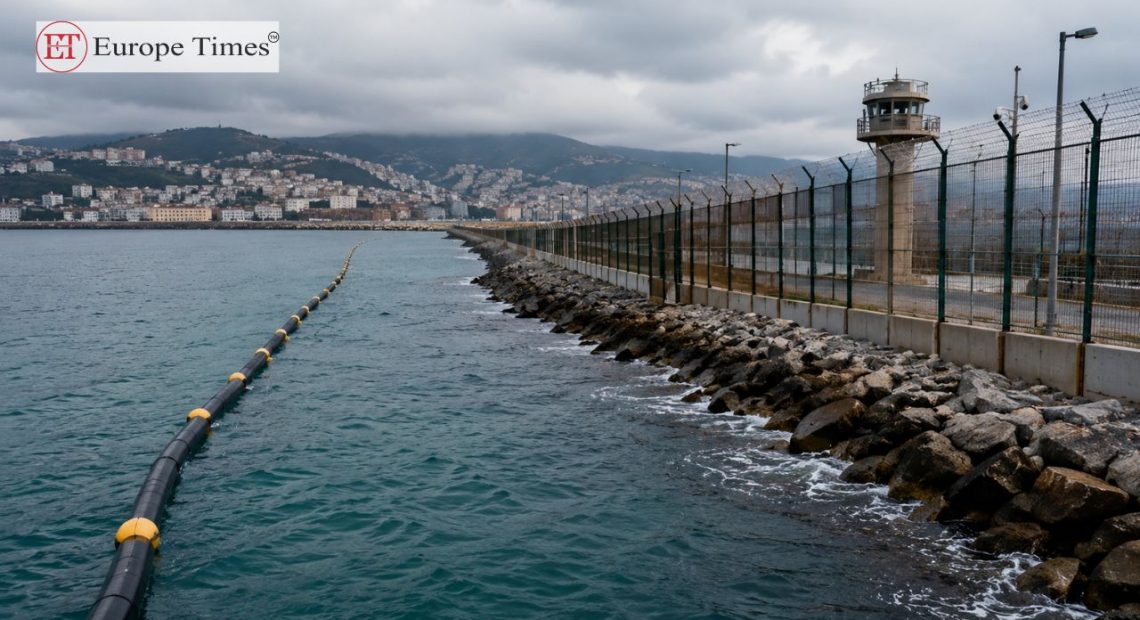
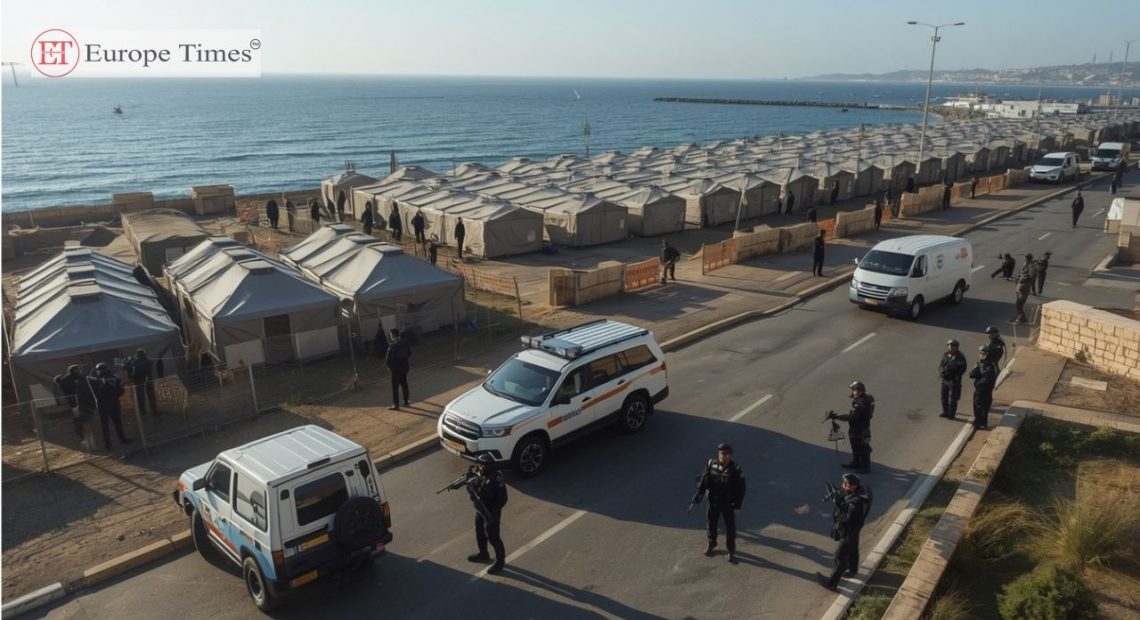
Spain has begun installing a 500-metre floating barrier along the coast of its North African enclave of Ceuta after migrant crossings fell to nearly zero overnight. The move follows a massive border rush in which around 50,000 people crossed into Ceuta from Morocco, with authorities saying more than 48,000 were returned within 48 hours.

The incident claimed at least 67 lives, with many migrants drowning or being crushed while attempting to cross the border. Spanish officials blamed human-smuggling networks for spreading misinformation and exploiting vulnerable migrants. The government said additional police and military forces will remain deployed while border security measures continue.

The crisis has sparked concern across Europe, prompting 22 EU member states to call for an emergency meeting on border security. Spain has urged a coordinated European response while reaffirming that Morocco remains a key partner in managing migration and maintaining the security of the EU’s external border.

Pic courtesy: google/ images are subject to copyright

featured News Trending

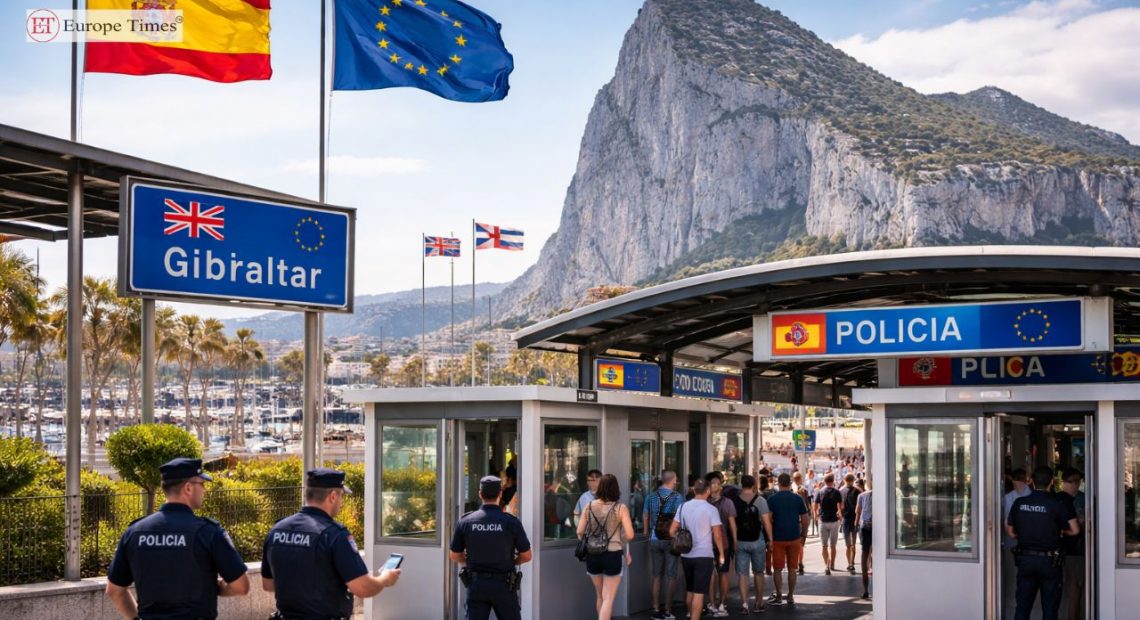
The UK has agreed to allow Spanish border guards to conduct passport checks on travellers arriving in Gibraltar under a draft post-Brexit treaty with the EU. The 1,000-page agreement will introduce Spanish-run “second line” Schengen checks at Gibraltar’s airport and port, following initial controls by local authorities. The deal aims to secure an open land border with Spain and provide long-term certainty for the territory ahead of stricter EU border rules coming into force in April.

While Gibraltar will not formally join the passport-free Schengen zone, Spanish officials will be empowered to carry out searches, arrests and interviews when justified during border control procedures. Non-EU nationals, including British passport holders, will face biometric checks under the EU’s Entry Exit System. The arrangement is intended to eventually remove the 1.2km fence separating Gibraltar from Spain — a crossing used daily by thousands of workers — and streamline travel while avoiding disruption to the local economy.

The treaty also brings Gibraltar into the EU customs union, aligning import duties with Spain and introducing a phased “transaction tax” on goods sold locally, though its zero-VAT regime will remain. Fabian Picardo welcomed the agreement as providing certainty for businesses, while the UK government described it as part of a new era of cooperation with the European Union. The draft must still be ratified by both the UK and European Parliaments before taking effect.

Pic courtesy: google/ images are subject to copyright

featured News Trending

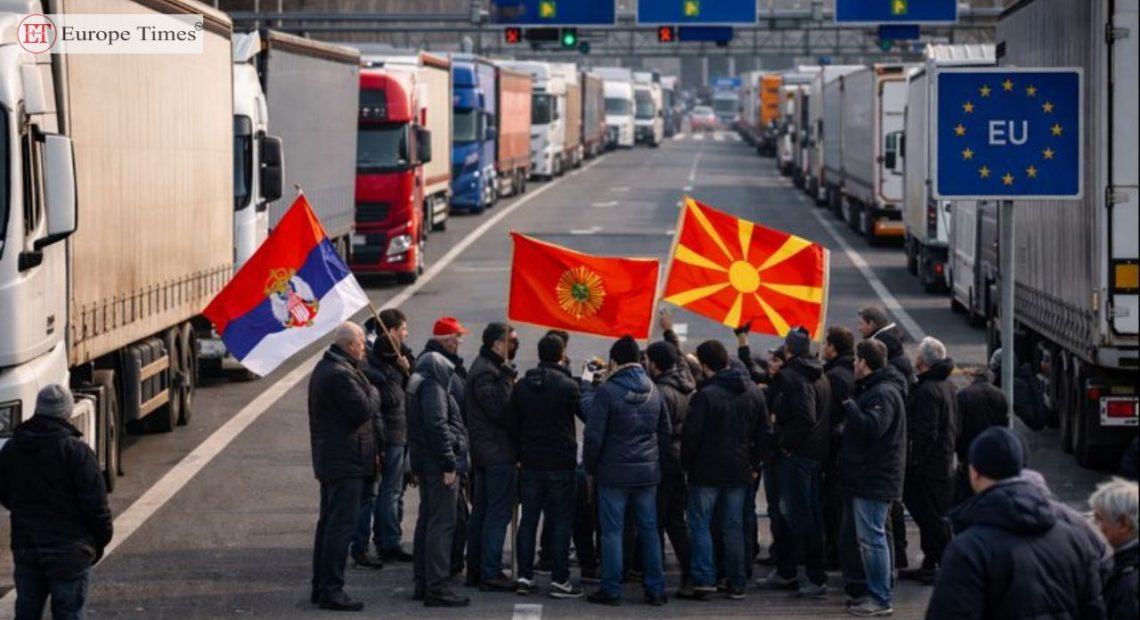
Truck drivers across the Western Balkans continued blocking cargo terminals at European Union borders for a fourth straight day, as regional governments urged Brussels to ease new rules they say are crippling trade. Drivers in Bosnia, Montenegro, North Macedonia and Serbia began protests this week against stricter enforcement of the EU’s entry-exit system, which they say risks detention or deportation for breaching Schengen stay limits.

Despite the EU saying it is working on a new visa strategy for highly mobile professions such as truck drivers, protests persisted on Thursday. At the Batrovci crossing between Serbia and EU member Croatia, long lines of trucks blocked access to cargo terminals, disrupting a key transport corridor linking the EU with Turkey and the Middle East. Truckers said they would continue demonstrations until concrete solutions are offered.

Serbia’s Chamber of Commerce said nearly all exports from the four countries were halted, causing losses of about 92 million euros a day, with EU-based companies also affected. Montenegro’s president has appealed to EU officials to consider the needs of regional transporters, while Serbia is seeking talks with the European Commission on options such as special visas or permits. Some blockades have eased, including at Montenegro’s port of Bar, but pressure remains high for a swift compromise.

Pic courtesy: google/ images are subject to copyright