
featured News Trending

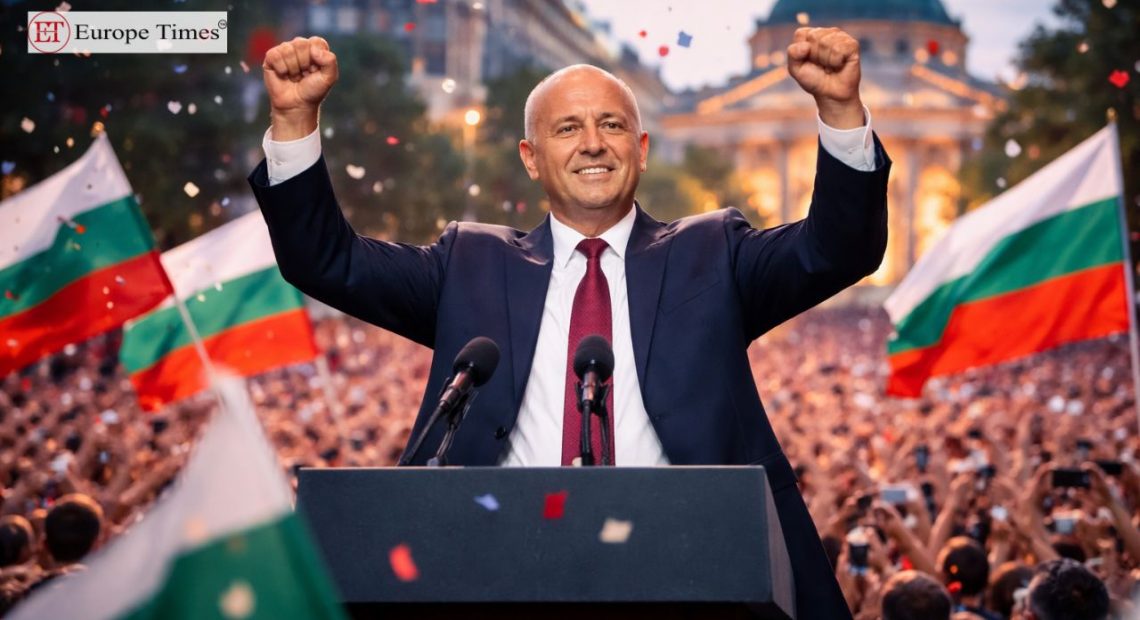
Rumen Radev has secured a sweeping victory in Bulgaria’s parliamentary election, paving the way to lead the country’s first single-party government in nearly 30 years. The former president capitalised on widespread public frustration with corruption, political instability, and rising living costs, following years of repeated elections and fragile coalitions.

Radev, a former fighter pilot often viewed as sympathetic to Russia, positioned himself as an anti-establishment figure promising reform. His win also dealt a major blow to traditional parties, including those led by Boyko Borissov. Despite his rhetoric and past criticism of EU policies, analysts believe he is unlikely to risk jeopardising crucial European Union funding or dramatically shift Bulgaria’s geopolitical alignment.

The new government faces significant domestic challenges, including tackling corruption, stabilising the economy, and restoring public trust in institutions. While some voters remain concerned about his perceived pro-Russian stance, many see his decisive mandate as an opportunity to bring stability after years of political turmoil.

Pic courtesy: google/ images are subject to copyright

featured News Trending

Former Bulgarian president Rumen Radev is leading opinion polls ahead of the April 19 parliamentary election, campaigning on an anti-corruption platform and promising stability after years of political turmoil. Backed strongly by rural and older voters, Radev has positioned himself as a reformer determined to dismantle what he calls an entrenched oligarchic system.

The vote comes after repeated elections and fragile coalitions that failed to address graft and economic concerns. While Radev’s Progressive Bulgaria party holds a clear lead, it is unlikely to secure a majority, making coalition-building essential. Potential partners include pro-European groups, which could moderate his policies, especially on foreign relations.

Radev’s perceived pro-Russian stance has raised concerns within the European Union, particularly regarding Bulgaria’s position on Ukraine and broader EU alignment. Despite this, many voters prioritize domestic issues like corruption, economic inequality, and governance, viewing Radev as a chance for decisive leadership in a politically unstable landscape.

Pic courtesy: google/ images are subject to copyright