featured News Trending

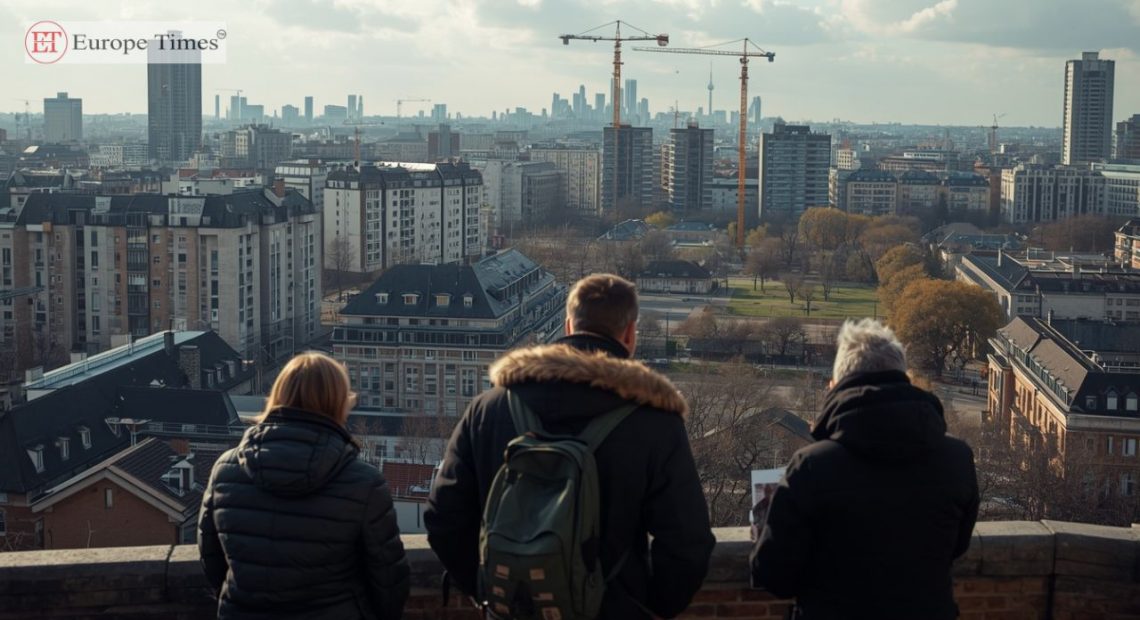
Berlin’s housing shortage and soaring rents have emerged as the biggest concerns ahead of the city election on September 20. Around 85% of households in the German capital are renters, while advertised rents have nearly doubled since 2014. Berlin is expected to need around 211,000 additional homes by 2040, intensifying pressure on the city government.

A major point of debate is the future of Tempelhofer Feld, the former airport that is now a vast public park. Supporters of limited development argue that building homes on part of the site could help ease the shortage, while opponents want to preserve the open space. Political parties have offered different proposals, including affordable housing construction, rent restrictions and greater protection for existing homes.

Berlin’s economic growth and expanding population have increased demand for housing, pushing up rents and land prices. Thousands of residents recently protested against high housing costs, with some saying they face rents of €1,500 or more for small apartments. The election is also being closely watched as another test for Chancellor Friedrich Merz’s national government.

News Trending

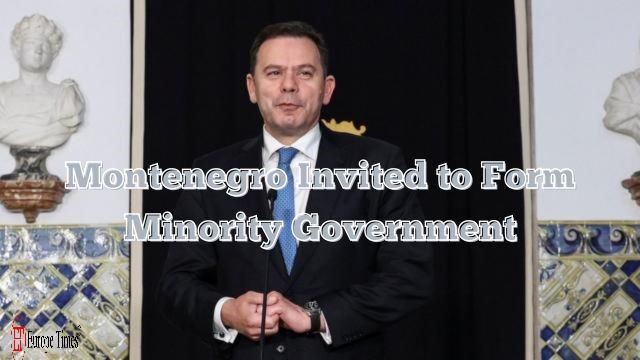
Portugal’s recent snap elections resulted in a fragmented parliament, with the center-right Democratic Alliance (AD) emerging as the leading party but falling short of a majority. President Marcelo Rebelo de Sousa has invited Luís Montenegro, a center-right politician, to form a minority government. However, with only 80 seats secured by the AD, alliances are necessary to pass legislation.

Montenegro’s appointment as prime minister follows consultations with party leaders and a refusal to collaborate with the far-right Chega party, despite their record gains. The rejection of Chega underscores the complexities of coalition-building in Portugal’s current political landscape, which faces its most fragmented parliament since the end of dictatorship.

As Montenegro assumes the role of prime minister, he confronts the challenge of navigating a divided parliament and securing support either from the Socialists or Chega to pass crucial legislation. His reluctance to divulge detailed strategies for forming a majority underscores the uncertainties surrounding the future governance of Portugal.

The premiership transition marks the departure of Antonio Costa, who led Portugal as Socialist party leader but resigned amid corruption allegations. Despite Costa’s departure, the issues that shaped voter discontent, such as low wages and rising rents, remain pertinent, highlighting the ongoing challenges facing the country’s leadership.

Picture Courtesy: Google/images are subject to copyright