featured News Trending

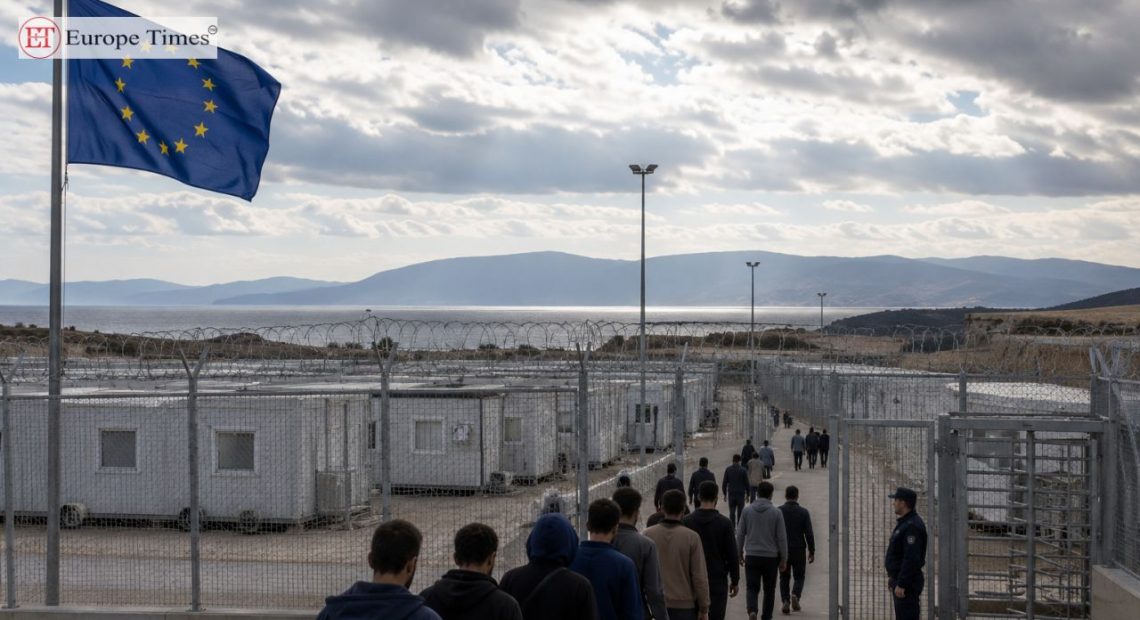
Germany, Austria, Greece, Denmark and the Netherlands have agreed on steps toward deals with non-EU countries to establish facilities for migrants who no longer have legal residency in the European Union. The five nations aim to reach agreements with host countries by the end of this year.

The countries, known as the Group of Five, have been working together on measures to reduce irregular immigration. Germany’s Interior Minister Alexander Dobrindt said the group wants to establish return hubs outside the EU, although no potential host countries have been named. Denmark expects to begin sending migrants to such a facility by the end of 2027.

The plan has drawn criticism from human rights organisations, which warn that offshore return centres could create serious risks for migrants and asylum seekers. The Council of Europe has also raised concerns, while the Danish Refugee Council said the focus should instead be on implementing the EU’s existing migration and asylum framework.

Pic courtesy: google/ images are subject to copyright

featured News Trending

Denmark expects to begin sending migrants without legal residency to a return hub outside the European Union by the end of 2027, Immigration and Integration Minister Morten Bodskov said on Friday. Denmark is working with Germany, Austria, the Netherlands and Greece to develop the bloc’s first partnership arrangement of this kind with a non-EU country.

The five countries are preparing concrete plans for the proposed return-centre system, although Denmark has not disclosed which country or countries could host the facilities. Bodskov said negotiations had moved closer to establishing the arrangement, which is intended to facilitate the return of migrants who do not have legal grounds to remain in the EU.

The European Parliament approved changes to EU migration rules in June aimed at speeding up deportations and allowing member states to establish detention centres abroad. Critics have warned that such arrangements could weaken protections for asylum seekers, while the Council of Europe has raised concerns over potential human rights violations, including ill-treatment and arbitrary detention.

Pic courtesy: google/ images are subject to copyright

featured News Trending

The European Union has reached a political agreement on new migration rules that would allow member states to send rejected asylum seekers and visa overstayers to “return hubs” located outside the EU. The proposal, aimed at improving deportation enforcement, comes as European governments face growing political pressure to curb irregular migration despite a decline in arrivals over the past year.

Under the new framework, authorities would gain expanded powers, including longer detention periods, the collection of biometric data, searches of premises, and penalties for migrants who do not cooperate with deportation procedures. EU officials argue the measures are necessary because only a small percentage of people ordered to leave the bloc currently do so.

Human rights organizations and opposition lawmakers have strongly criticized the plan, warning it could lead to abuses and undermine migrant rights. Critics say the rules resemble aggressive immigration enforcement practices seen elsewhere and could increase detentions, home searches, and transfers to third countries with limited safeguards. The legislation still requires formal approval from EU governments and the European Parliament.

Pic courtesy: google/ images are subject to copyright