
featured News Trending

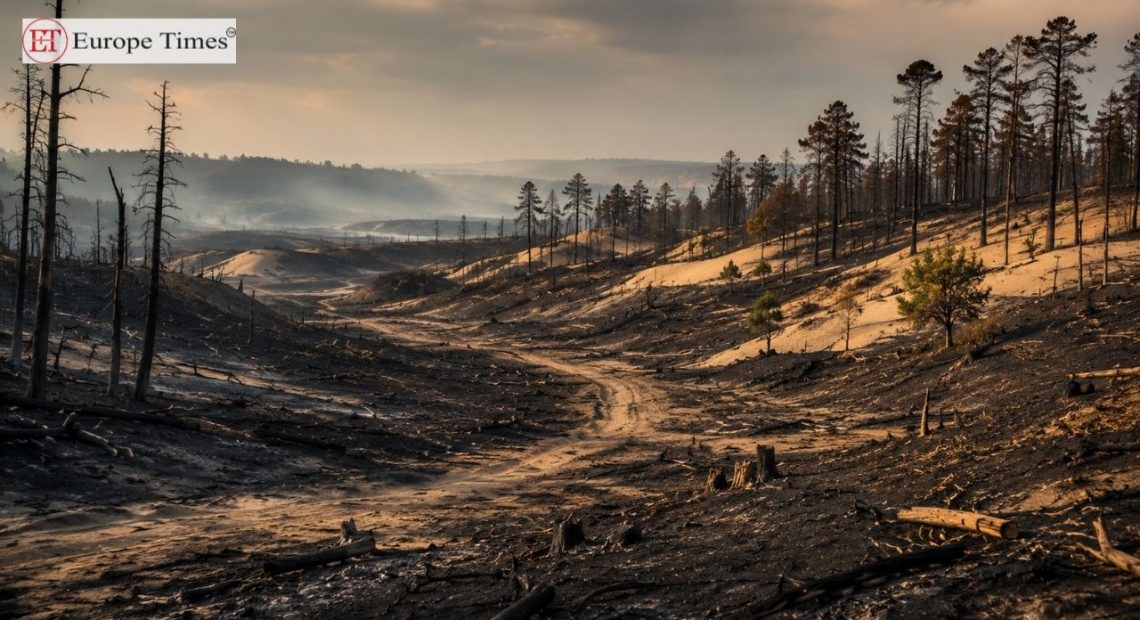
Serbia’s Deliblatska Pescara reserve is facing difficult choices after a major wildfire damaged large areas of its unique dunes and woodlands. Foresters are now working on a long-term restoration plan, while considering how to make the landscape more resilient as hotter and drier conditions increase the risk of future fires.

Experts say the recovery could take decades. Damaged trees must be gradually removed to prevent them from fuelling new fires or attracting bark beetles, while foresters consider replacing highly flammable conifers with species such as birch, poplar, ash and oak. Some experts have advised waiting three to five years in areas without immediate erosion risks before undertaking large-scale replanting.

The challenge reflects a broader shift in Serbia’s fire patterns. Data from the European Forest Fire Information System shows that 2023–2025 was the country’s worst three-year period for fires this century. Forestry experts are increasingly looking toward methods used in traditionally drier regions, including techniques to retain soil moisture and improve the survival of newly planted trees.

Pic courtesy: google/ images are subject to copyright