featured News Trending

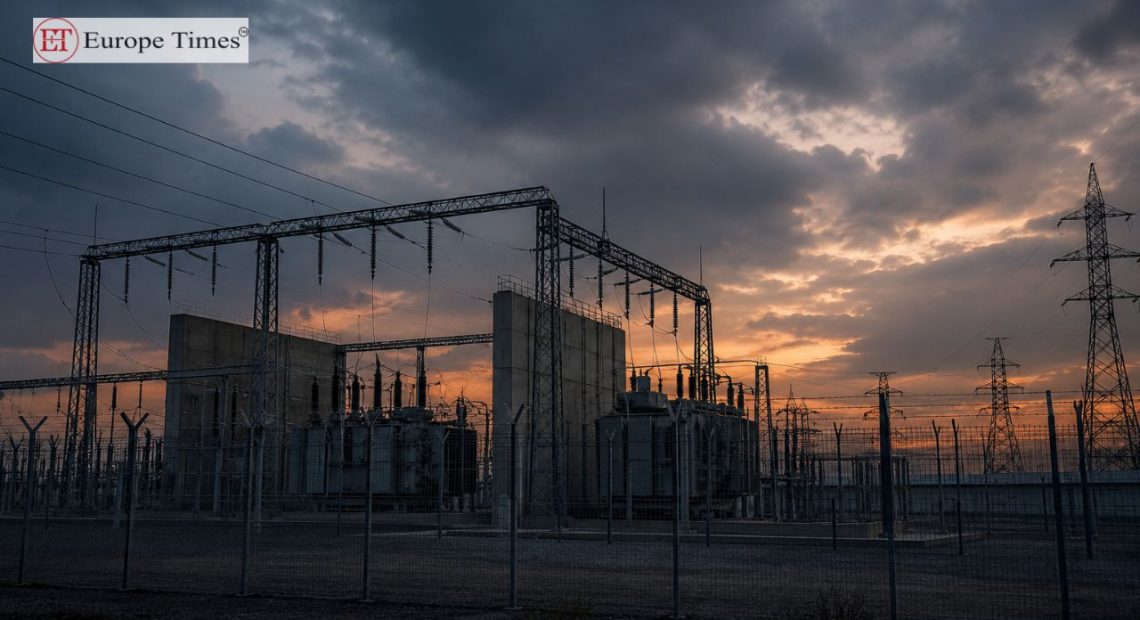
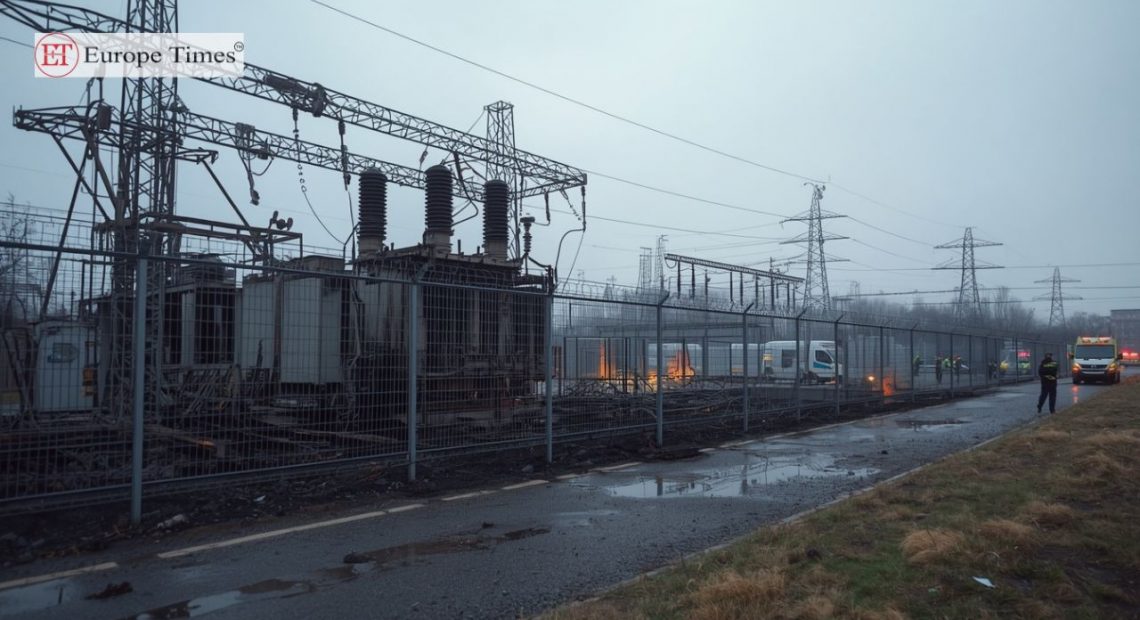
Russia is increasingly using small fibre-optic FPV (First Person View) drones to strike high-voltage electricity substations in Ukraine’s Sumy region, bypassing electronic jamming systems and damaging critical energy infrastructure. Open-source investigators and Reuters verified multiple attacks in which the drones successfully penetrated heavily protected substations located up to 26 kilometres from the frontline.

According to investigators, Russian forces first use one drone to tear through anti-drone netting before sending a second drone through the opening to reach vulnerable equipment inside protective concrete structures. These drones, controlled through fibre-optic cables instead of radio signals, are resistant to electronic warfare and can destroy expensive autotransformers, causing entire transformer units to fail at a fraction of the replacement cost.

Analysts say the attacks appear to be part of a broader strategy to isolate Ukrainian regions from the national power grid and increase pressure on civilian infrastructure. Ukraine’s Sumy region has faced intensified attacks in recent months, with officials warning that Russia is attempting to make life in border areas increasingly difficult through sustained strikes on energy facilities.

Pic courtesy: google/ images are subject to copyright

featured News Trending

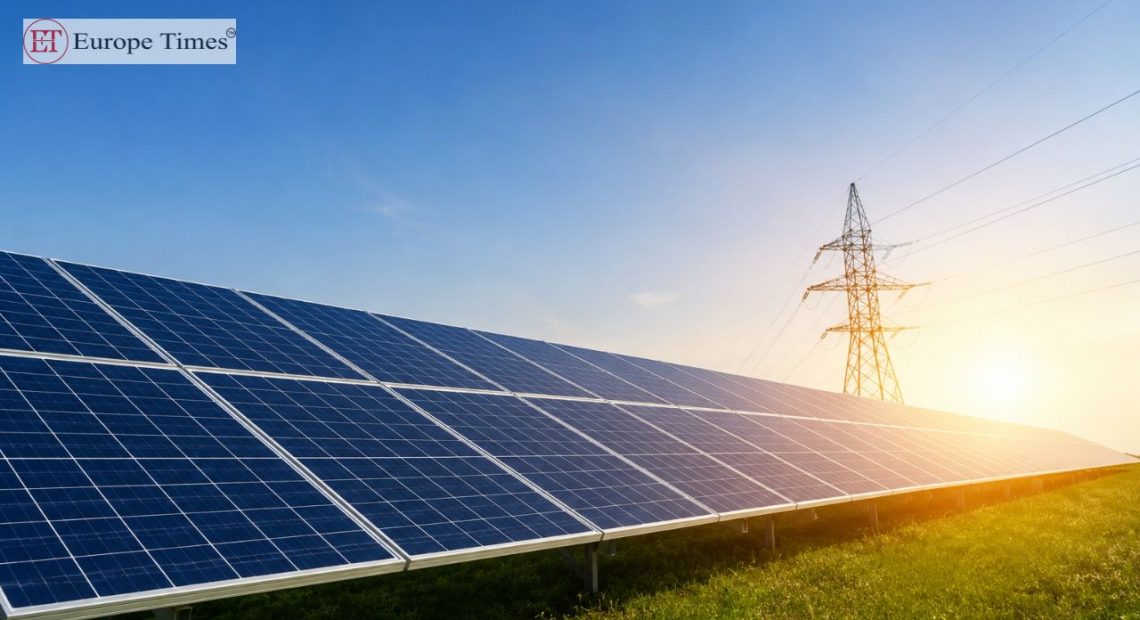
The European Union’s decision to block public funding for solar projects using Chinese-made inverters has sparked concerns that renewable energy growth could slow across the bloc. Officials argue the move is necessary to reduce security risks, warning that internet-connected inverters could potentially be used by foreign actors to disrupt power grids. The restriction is expected to affect more than 20% of new annual solar installations, forcing developers to seek alternative suppliers.

Chinese companies such as Huawei and Sungrow have dominated Europe’s inverter market, supplying around 70% of the region’s needs in recent years. Industry groups and solar developers warn that replacing Chinese equipment could raise costs, delay projects, and make it harder for some countries to meet renewable energy targets. Price-sensitive markets in Central and Eastern Europe are expected to face the greatest challenges, particularly where public subsidies play a major role in solar investments.

European manufacturers say they can increase production to fill the gap, with companies in Germany and Austria claiming they could meet demand within a year if investment conditions improve. However, some analysts remain skeptical, arguing that a rapid shift away from Chinese technology could slow the energy transition in the short term. Several EU countries are already considering tougher restrictions, while Brussels continues assessing whether broader bans on high-risk suppliers may be necessary in the future.

Pic courtesy: google/ images are subject to copyright