featured News Trending

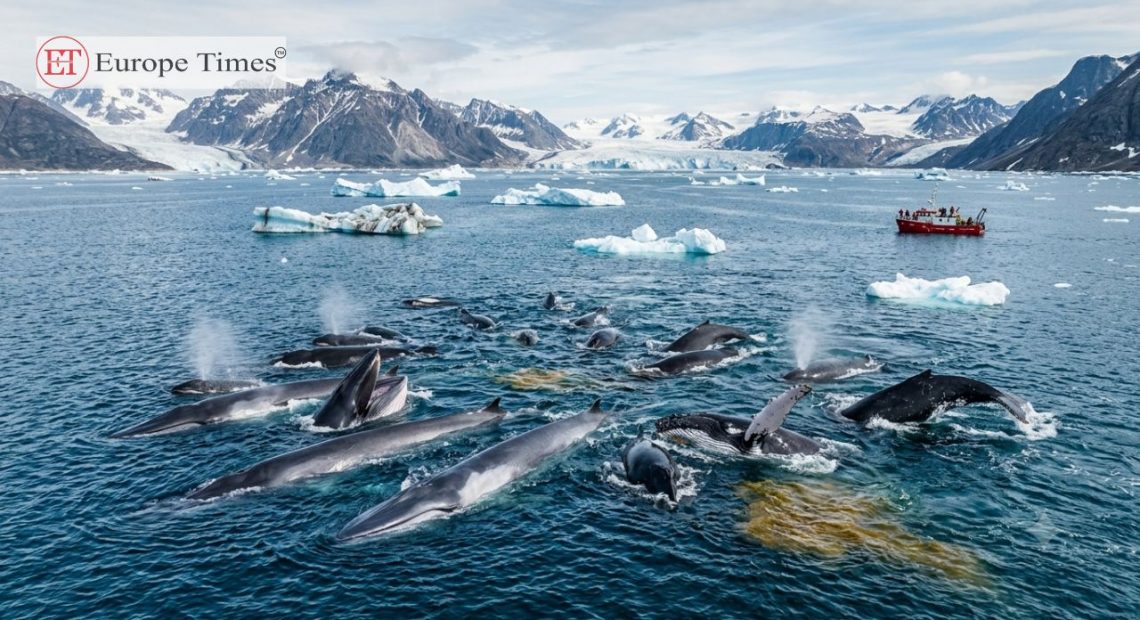
Giant whales are increasingly moving into previously inaccessible waters along Greenland’s east coast as rising temperatures cause sea ice to disappear. A decades-long study found that fin, humpback and minke whales are now feeding in ice-free coastal waters during summer, marking a major shift in the region’s marine ecosystem.

Researchers recorded a sharp rise in whale activity, with aerial surveys, satellite tracking and observations from Inuit hunters providing evidence of the change. An estimated 4,000 humpback whales, 6,000 fin whales and 6,000 minke whales visited the Greenland Sea in summer 2024. Scientists believe warmer waters and increased food availability are attracting the whales to the area.

While some whale species appear to be benefiting from the changing conditions, Arctic species such as narwhals and belugas could face growing pressure as their traditional habitat changes. Scientists say the movement represents a major ecological shift, highlighting how climate change is creating new opportunities for some marine species while threatening others.

Pic courtesy: google/ images are subject to copyright

featured News Trending

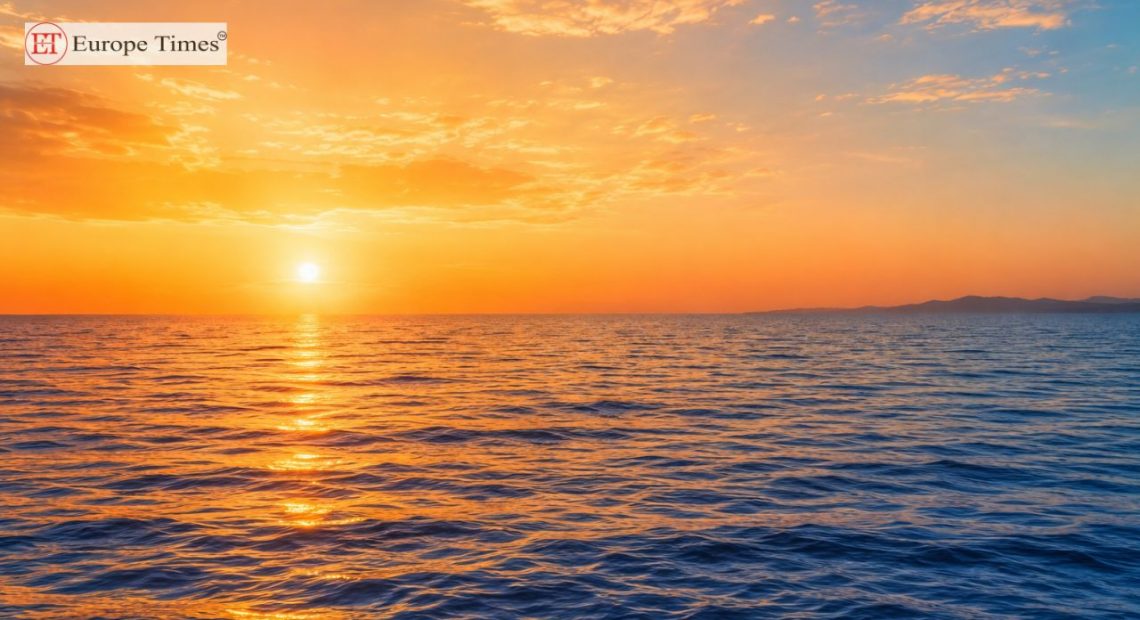
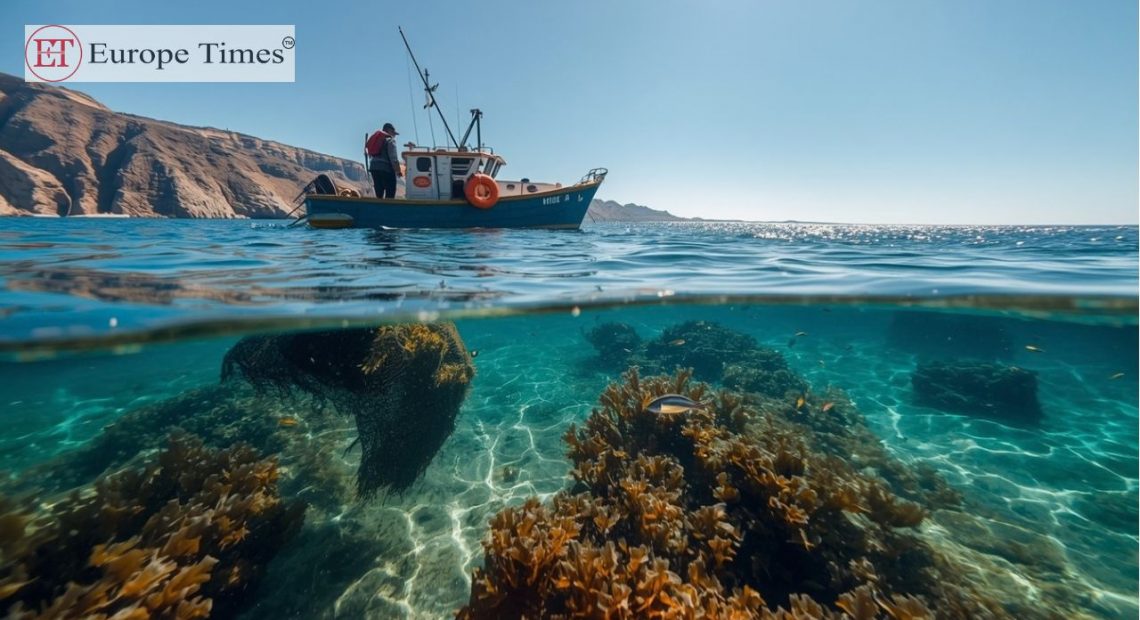
Spain recorded its highest-ever sea temperatures for May across much of its coastline, with data from the country’s port authority showing unprecedented readings at most deep-water and coastal monitoring stations. The unusually warm waters affected large areas of the Mediterranean and surrounding seas during the month.

According to Spain’s weather agency, the record temperatures are primarily linked to long-term human-driven climate change rather than the expected development of El Niño. Officials noted that extreme heat records have become increasingly common in recent years, reflecting a broader trend of rising global temperatures.

While the United Nations has forecast the possible arrival of a moderate to strong El Niño later this year, experts said May’s marine heatwave occurred independently of the Pacific climate pattern. However, the combination of warming oceans and a potential El Niño event could contribute to higher global temperatures in the months ahead.

Pic courtesy: google/ images are subject to copyright