featured News Trending

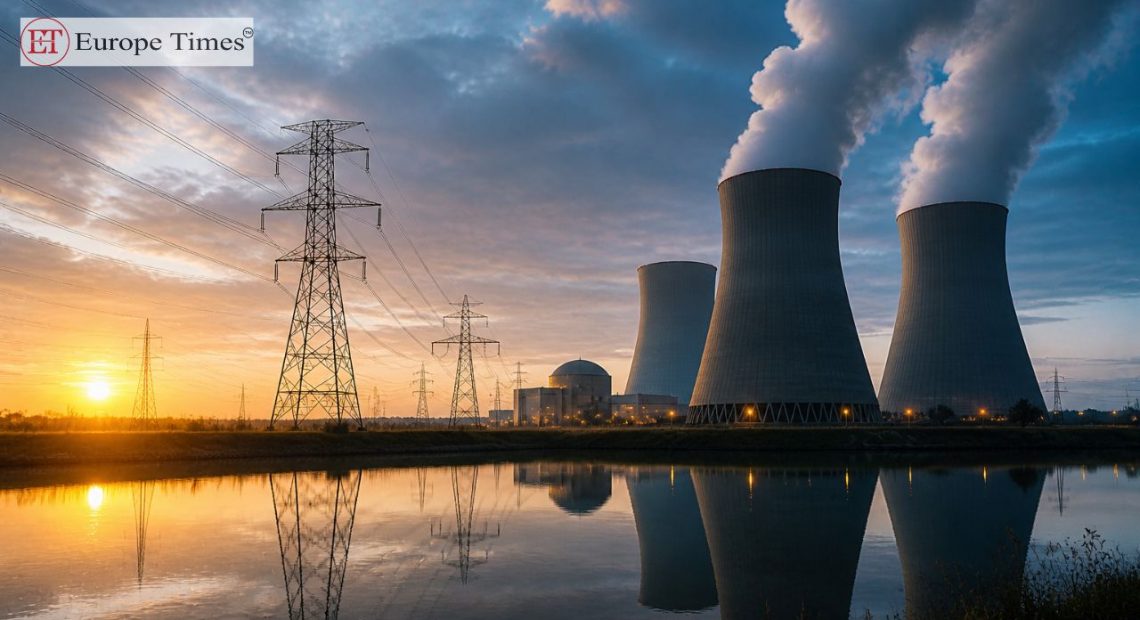
Record-low water levels in Europe’s major rivers are disrupting electricity generation, cargo transport and business operations as prolonged heatwaves and drought continue across the continent. The shrinking waterways have reduced hydropower output, affected nuclear plant cooling systems and highlighted the growing economic impact of climate change.

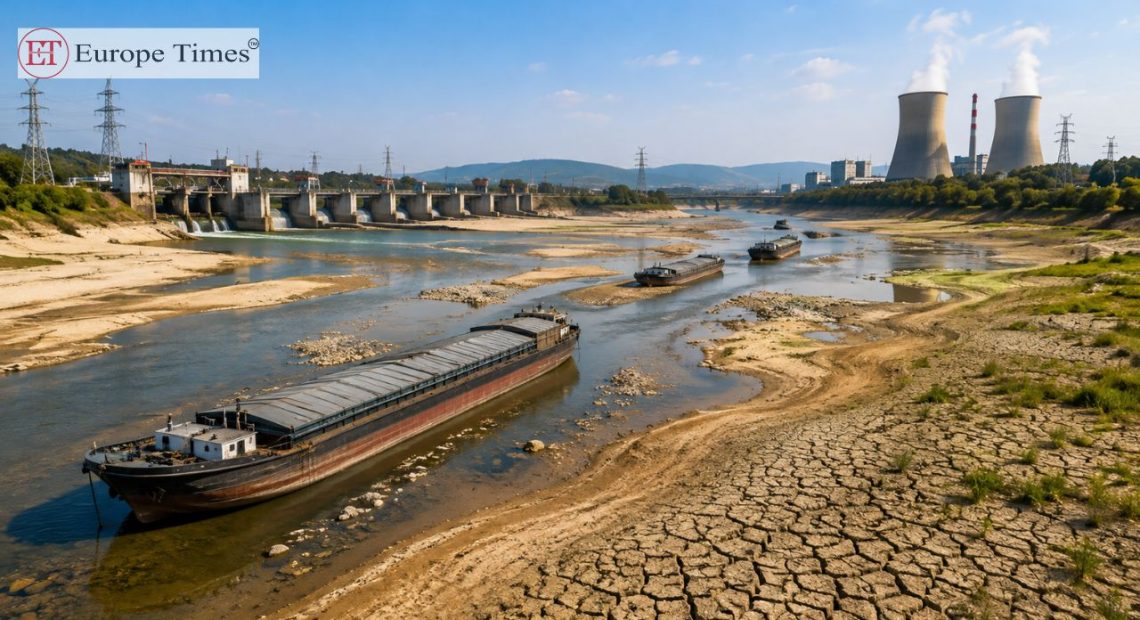
Countries including Serbia, Hungary, Romania and France have cut power generation due to insufficient river water for hydropower and nuclear facilities. Several nations are expected to rely more on electricity imports, while low river levels have also disrupted the transport of grain, oil and other goods along key waterways such as the Danube and Rhine.
The drought has also affected company earnings, with utilities reporting lower hydropower production and reduced profits. Businesses across Europe are facing rising operational challenges as extreme weather exposes the need for more resilient energy and transport infrastructure.

Pic courtesy: google/ images are subject to copyright

featured News Trending

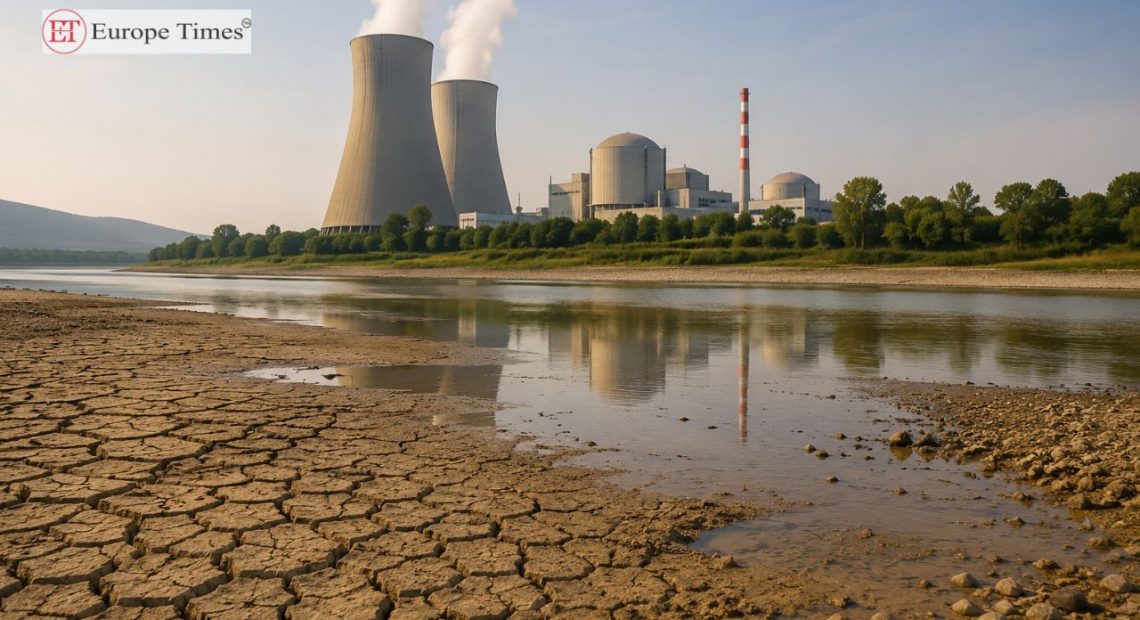
Hungary’s only nuclear power plant, the Soviet-era Paks facility, is set to shut down completely for the first time after record-low water levels in the Danube River left its cooling system unable to operate. Prime Minister Péter Magyar warned the country’s energy supply could become critical as an intense heatwave continues, urging residents to reduce electricity use during peak evening hours.

The prolonged drought and extreme temperatures have affected much of Europe, with the Danube reaching its lowest levels in decades across several countries. Romania has already shut down one reactor at its Cernavoda nuclear plant for the same reason, while authorities are trying to keep the second reactor operational to avoid a complete halt in nuclear power generation.

The shrinking river has also disrupted shipping, exposed historic shipwrecks, and revealed ancient mammoth remains along its riverbed. Scientists say Europe, the world’s fastest-warming continent, is experiencing more frequent heatwaves, droughts, and wildfires, placing growing pressure on water resources, transport, and energy infrastructure.

Pic courtesy: google/ images are subject to copyright

featured News Trending

Belgium is planning to take full control of its nuclear power plants by acquiring them from Engie, in a major policy shift aimed at strengthening energy security. Prime Minister Bart De Wever said the government intends to carry out a complete takeover of the country’s nuclear fleet, which includes seven ageing reactors.

The move marks a reversal of Belgium’s long-standing plan to phase out nuclear energy, originally introduced in the early 2000s over safety concerns. Currently, only two reactors—located in Doel and Tihange—remain operational, with licences recently extended until 2035. Plans to dismantle the other five reactors, shut down between 2022 and 2025, will now be put on hold as the government reassesses its nuclear strategy.

Officials say the takeover is part of a broader effort to ensure stable, affordable, and sustainable energy while reducing reliance on fossil fuel imports. The government and Engie aim to finalise an agreement by October, with ambitions not only to extend the life of existing reactors but also to explore new nuclear capacity. However, the reactors remain controversial due to past safety concerns, which have previously triggered protests and alarm in neighbouring countries.

Pic courtesy: google/ images are subject to copyright