featured News Trending

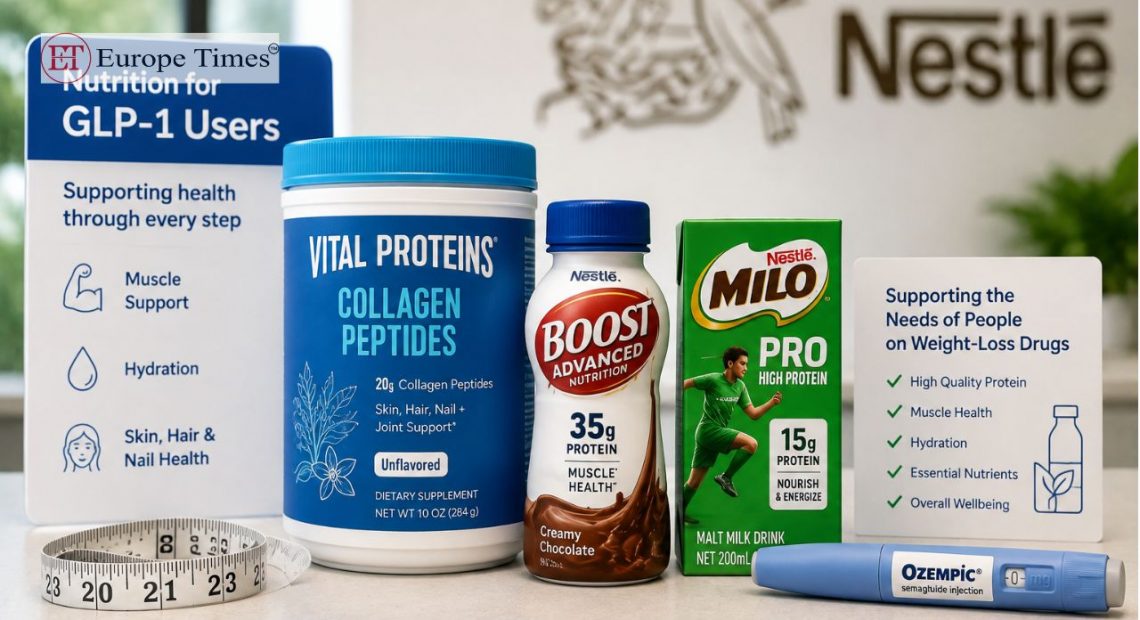
Nestle is looking to turn the rapid growth of GLP-1 weight-loss drugs into a new business opportunity by developing products specifically for people taking medicines such as Ozempic and Wegovy. The company is using artificial intelligence and nutritional science to study the effects of rapid weight loss and identify products that could support users’ nutritional needs.

Nestle’s research is focusing on issues associated with rapid weight loss, including muscle loss, reduced nutritional intake, hydration and changes in skin, hair and nail health. The company has already added collagen protein to products under its Vital Proteins brand and launched Boost Advanced Nutrition Shake in the U.S., while its Milo PRO High Protein drink is available in parts of Asia and Australia.

AI is playing an increasing role in Nestle’s product development, with internal systems analysing scientific research, consumer trends and a database of around 120,000 recipes. However, some nutrition experts question whether specialised products provide significant benefits compared with conventional protein-rich foods such as eggs, dairy, meat, beans, nuts and pulses.

Pic courtesy: google/ images are subject to copyright

featured News Trending

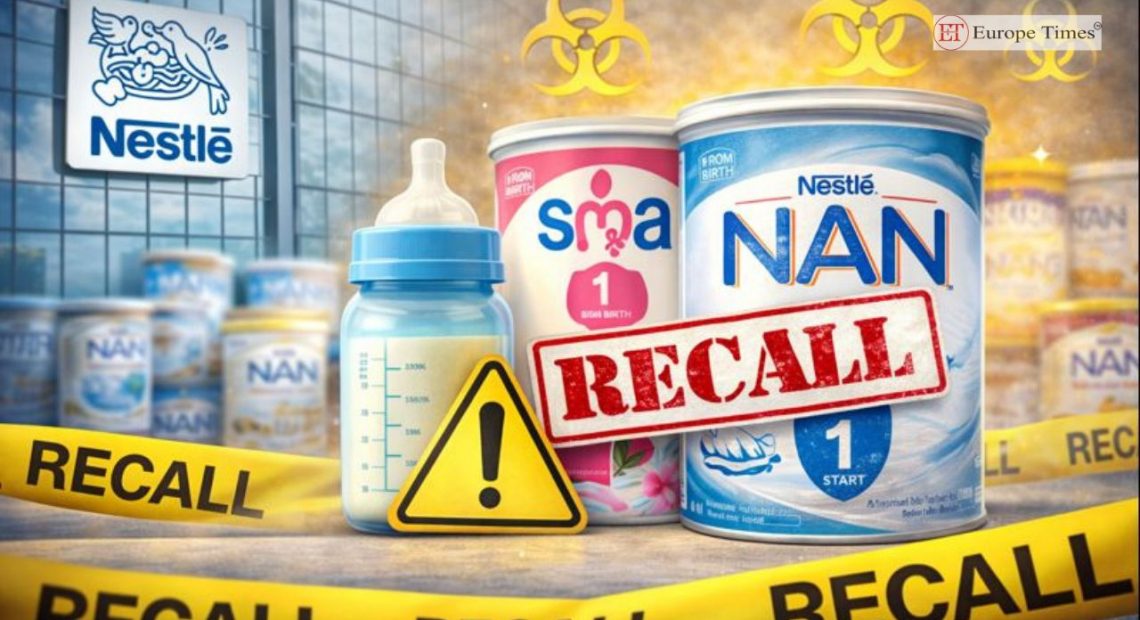
Nestle announced a major recall of some batches of its infant nutrition products, including SMA, BEBA, and NAN formulas, across Europe, Turkey, and Argentina due to potential contamination with cereulide, a toxin produced by certain strains of Bacillus cereus. The recall, which began on a smaller scale in December, comes after testing revealed an issue with an ingredient supplied by a leading vendor. No illnesses have been reported in connection with the recalled products.

The Swiss food giant is activating alternative suppliers for the affected ingredient, ramping up production at multiple factories, and accelerating the distribution of unaffected products to maintain supply. Cereulide cannot be destroyed by boiling water or typical formula preparation, and can cause rapid-onset food poisoning symptoms such as vomiting and stomach cramps, according to the UK Food Standards Agency.

Austria’s health ministry stated that the recall involves over 800 products from more than 10 factories, marking the largest recall in Nestle’s history. The company’s investigation traced the contaminated ingredient back to a factory in the Netherlands, though it was used across multiple production sites internationally. Nestle is working to minimize supply disruption while ensuring safety.

Pic courtesy: google/ images are subject to copyright