featured News Trending

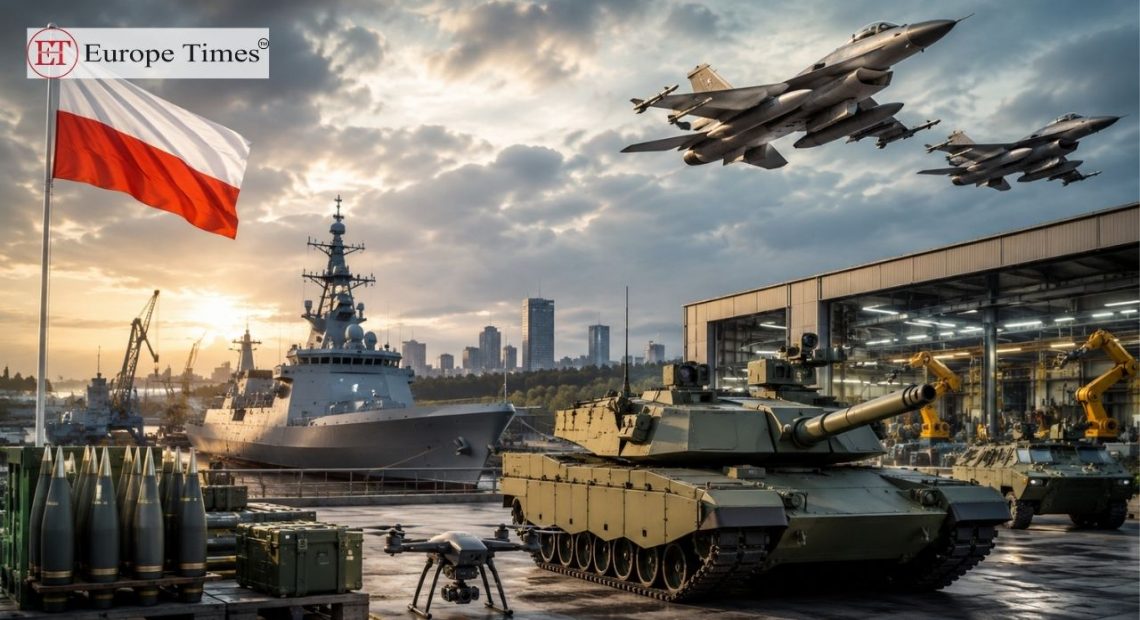
Poland is increasingly turning to domestic and Central European defence companies as it builds what officials describe as Europe’s largest army. Defence procurement from Polish and regional firms has nearly quadrupled since 2022, reaching 30.4 billion zlotys ($8.15 billion) last year. The shift is aimed at reducing reliance on distant suppliers and strengthening supply-chain security.

Poland is expected to spend about €53 billion on core defence this year, equivalent to around 4.7% of GDP. While major U.S.-made systems such as Patriot missile batteries, Abrams tanks and F-35 fighter jets remain important, Warsaw is prioritising greater local production of drones, ammunition and other frequently used equipment. The strategy reflects a wider European effort to rebuild defence manufacturing capacity following the war in Ukraine.

Companies from across Central Europe are responding to the opportunity. Czech defence group CSG has agreed to expand production in Poland, including projects involving drones, missiles, ammunition and armoured vehicles, while other firms are developing ammunition and air-defence manufacturing facilities. Poland’s armed forces have surpassed 220,000 personnel, and officials say foreign companies seeking access to the Polish market will increasingly be expected to invest locally, transfer technology and participate in joint projects.

Pic courtesy: google/ images are subject to copyright

featured News Trending

In a historic and wide-ranging address to Spain’s parliament, Pope Leo XIV warned that escalating conflicts, deep political polarization, and a disregard for human rights have plunged the world into a profound spiritual and cultural crisis. Speaking amid renewed hostilities between Israel and Iran, the pontiff strongly condemned rising European military spending—calling it a “betrayal of diplomacy”—and urged global leaders to prioritize authentic peace over weapons. He also demanded rigorous ethical vigilance regarding the use of artificial intelligence in warfare.

Turning to humanitarian and domestic issues, the Pope fiercely advocated for migrants, stating that a lack of global aid challenges the “ethical foundation of the international order” ahead of his upcoming visit to the Canary Islands. While praising efforts to support the vulnerable, Leo balanced his address by defending the Church’s traditional seal of confession against government interference. However, he simultaneously ordered Spanish bishops to listen to clerical abuse survivors and provide reparations, addressing a legacy of abuse that has impacted hundreds of thousands in the country.

Pic courtesy: google/ images are subject to copyright

featured News Trending

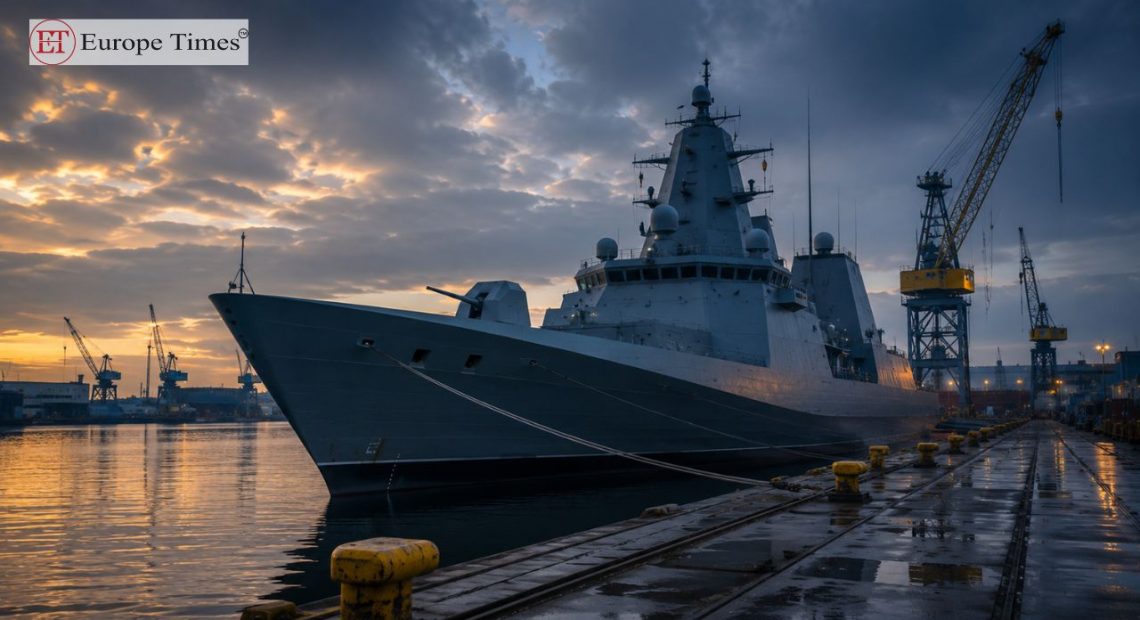
German defense company Rheinmetall is seeking around €12 billion from the government to take control of the troubled F126 frigate programme, according to reports. The proposed deal would significantly raise the total cost of building six warships to nearly €14 billion, reflecting delays and rising expenses in the project.

The company’s naval division has reportedly outlined its terms after months of evaluation, potentially replacing Dutch shipbuilder Damen, which had been leading the programme. The revised plan includes an inflation adjustment clause and pushes the expected delivery of the first vessel to 2032—about four years later than initially scheduled.

Meanwhile, Germany is also considering alternative options, including purchasing smaller MEKO A-200 frigates from Thyssenkrupp Marine Systems at roughly €1 billion each. Analysts suggest this move could strengthen Berlin’s position in negotiations as it seeks to manage costs and timelines for its naval modernization efforts.

Pic courtesy: google/ images are subject to copyright