featured News Trending

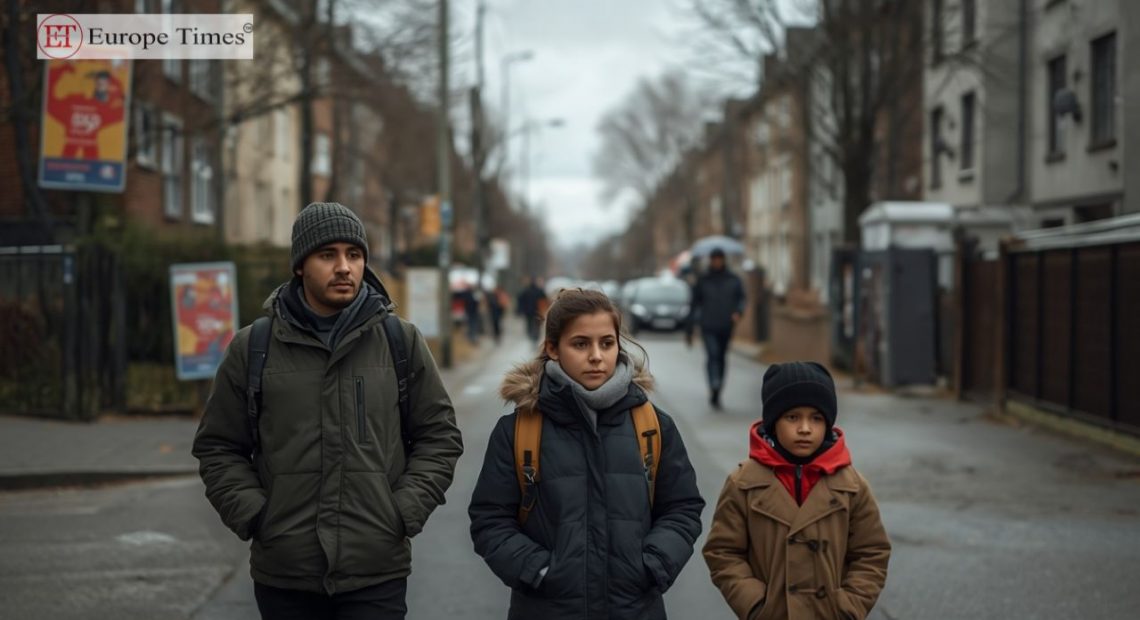
Europe’s refugee and asylum-seeker population remained largely unchanged in 2025, marking the end of more than a decade of steady growth, according to a new migration report. The total number of refugees and asylum seekers across the European Union and Britain stood at 9.59 million, nearly identical to the 9.58 million recorded in 2024.

The report highlighted a continued decline in asylum applications, which dropped to 770,000 in 2025 from 1.01 million in 2024 and 1.1 million in 2023. Researchers said the slowdown signals the end of the rapid increases seen in recent years, particularly following Russia’s invasion of Ukraine.

While Germany and Italy recorded declines in refugee and asylum-seeker populations, France, Spain and Britain saw increases. The report also noted a sharp fall in asylum applications from Syrians after the collapse of the Assad regime, while applications from Venezuelans rose significantly. Ukrainians continue to make up nearly half of all refugees and asylum seekers in the EU and Britain.

Pic courtesy: google/ images are subject to copyright

featured News Trending

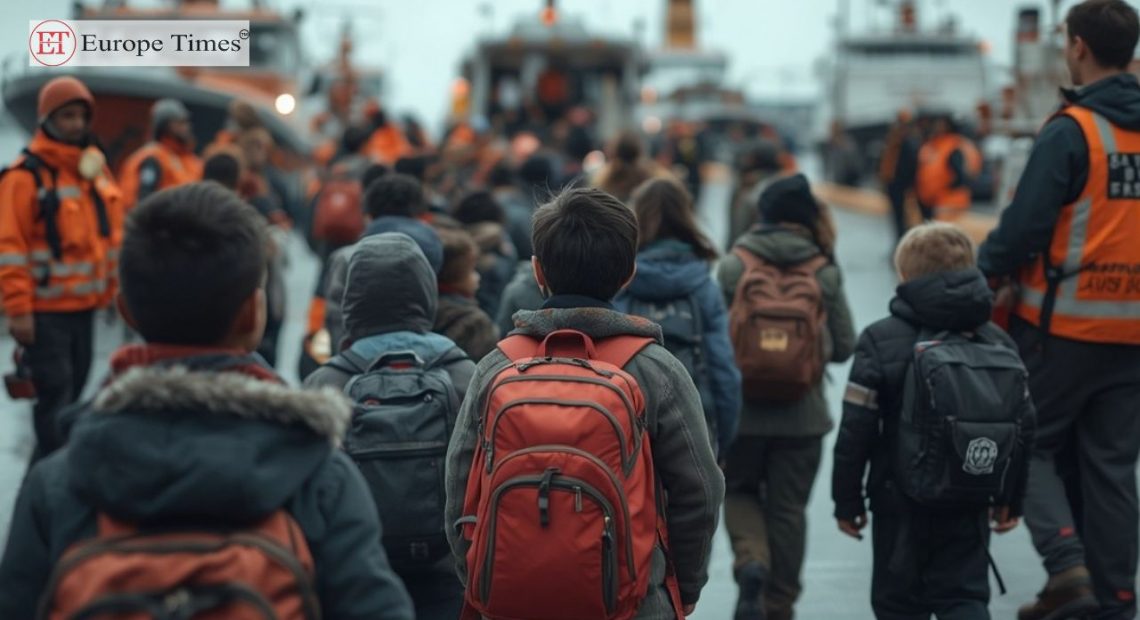
More than 1,300 migrants have died while attempting to reach Spain’s coastline during the first five months of 2026, according to advocacy group Caminando Fronteras (Walking Borders). The report recorded 1,317 deaths, including 142 women and 129 children, and noted that 27 migrant boats disappeared entirely with everyone on board.

The findings were released ahead of Pope Leo’s visit to Spain’s Canary Islands, a key destination for migrants crossing from Africa. During his visit, the Pope highlighted the humanitarian crisis facing migrants and called attention to the ethical responsibilities of the international community.

Rights organizations say tighter border controls in countries such as Mauritania are pushing migrants toward longer and more dangerous Atlantic routes. In 2025, more than 3,000 people were reported dead or missing while attempting to reach Spain, underscoring the continuing risks faced by those seeking entry into Europe.

Pic courtesy: google/ images are subject to copyright

featured News Trending

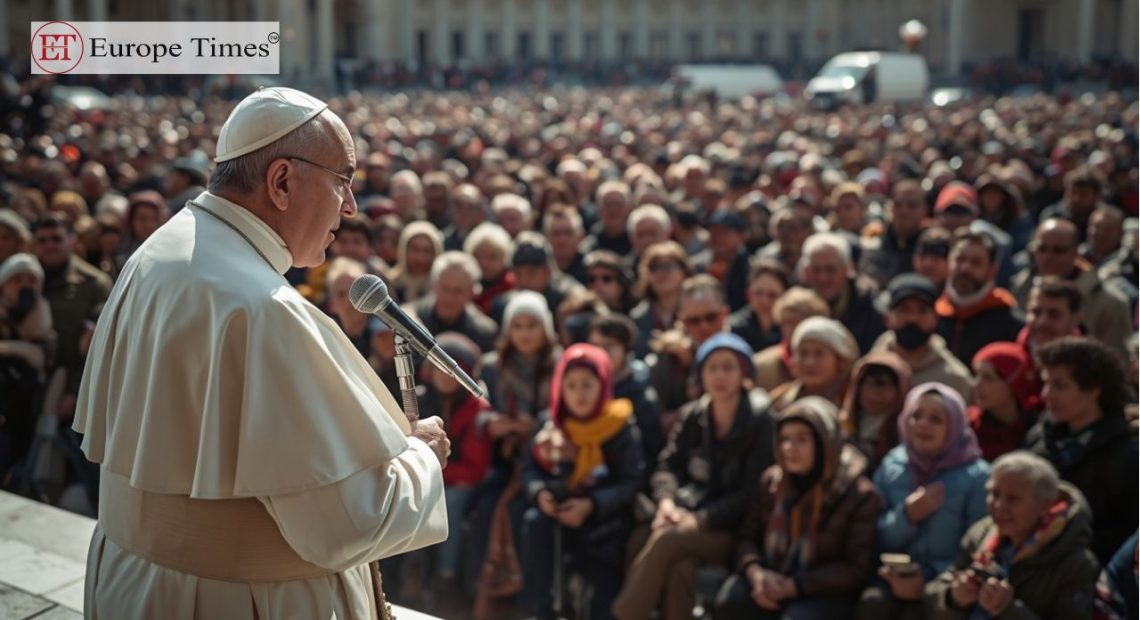
In a historic and wide-ranging address to Spain’s parliament, Pope Leo XIV warned that escalating conflicts, deep political polarization, and a disregard for human rights have plunged the world into a profound spiritual and cultural crisis. Speaking amid renewed hostilities between Israel and Iran, the pontiff strongly condemned rising European military spending—calling it a “betrayal of diplomacy”—and urged global leaders to prioritize authentic peace over weapons. He also demanded rigorous ethical vigilance regarding the use of artificial intelligence in warfare.

Turning to humanitarian and domestic issues, the Pope fiercely advocated for migrants, stating that a lack of global aid challenges the “ethical foundation of the international order” ahead of his upcoming visit to the Canary Islands. While praising efforts to support the vulnerable, Leo balanced his address by defending the Church’s traditional seal of confession against government interference. However, he simultaneously ordered Spanish bishops to listen to clerical abuse survivors and provide reparations, addressing a legacy of abuse that has impacted hundreds of thousands in the country.

Pic courtesy: google/ images are subject to copyright

featured News Trending

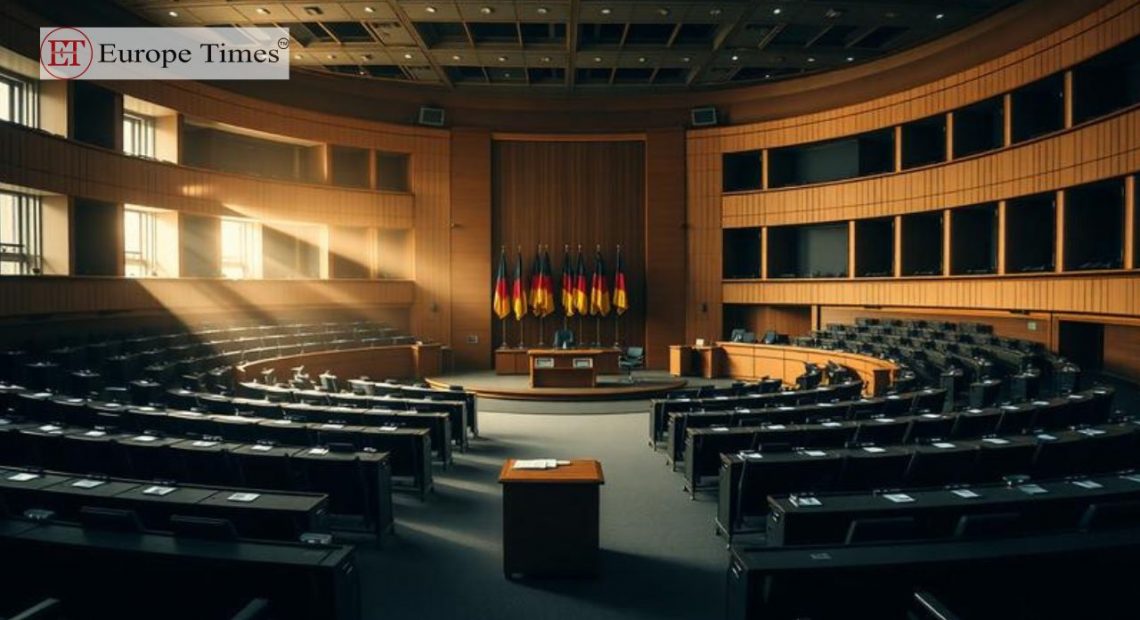
The European Union has reached a political agreement on new migration rules that would allow member states to send rejected asylum seekers and visa overstayers to “return hubs” located outside the EU. The proposal, aimed at improving deportation enforcement, comes as European governments face growing political pressure to curb irregular migration despite a decline in arrivals over the past year.

Under the new framework, authorities would gain expanded powers, including longer detention periods, the collection of biometric data, searches of premises, and penalties for migrants who do not cooperate with deportation procedures. EU officials argue the measures are necessary because only a small percentage of people ordered to leave the bloc currently do so.

Human rights organizations and opposition lawmakers have strongly criticized the plan, warning it could lead to abuses and undermine migrant rights. Critics say the rules resemble aggressive immigration enforcement practices seen elsewhere and could increase detentions, home searches, and transfers to third countries with limited safeguards. The legislation still requires formal approval from EU governments and the European Parliament.

Pic courtesy: google/ images are subject to copyright

featured News Trending

The European Union is preparing to invite officials from Afghanistan’s Taliban government to Brussels for talks focused on migrant deportations and repatriation cooperation. The meeting, which would mark the Taliban’s first publicly known official visit to Brussels since returning to power in 2021, is being arranged following requests from several EU member states concerned about migration and security issues.

EU officials stressed that the planned discussions would not amount to formal recognition of the Taliban government. According to an EU spokesperson, the talks are intended as a technical-level engagement aimed at improving coordination on deportations of Afghan nationals who are considered security threats or have committed crimes in Europe. EU representatives had previously travelled to Kabul earlier this year for similar discussions with Afghanistan’s de facto authorities.

Hundreds of thousands of Afghans have sought asylum in Europe since the Taliban takeover following the withdrawal of U.S. and NATO forces. However, the lack of diplomatic relations with Afghanistan has complicated deportation procedures for European governments. Sweden is reportedly helping coordinate the proposed Brussels meeting as the EU seeks practical cooperation on migration management while maintaining its policy of non-recognition toward the Taliban administration.

Pic courtesy: google/ images are subject to copyright

featured News Trending

Germany is increasingly looking to India to address its growing shortage of skilled workers, driven by an ageing population and a lack of young domestic talent. The shift began when German trade bodies, facing acute hiring challenges, responded to outreach from Indian recruitment firms offering a pool of trained and motivated youth. What started as a small initiative in 2022, bringing a handful of Indian apprentices into sectors like butchery, has now expanded into a broader effort across multiple industries.

Recruitment agencies such as Magic Billion and India Works have played a key role in connecting Indian workers with German employers. From just 13 apprentices initially, the number has grown to around 200 Indians working in German butcher shops, with hundreds more expected to arrive for roles ranging from mechanics and bakers to road builders. This trend has been supported by policy measures, including the 2022 migration agreement between the two countries and Germany’s decision to significantly raise its skilled worker visa quota for Indians.

The move reflects a mutually beneficial dynamic: Germany urgently needs workers to sustain its economy, while India has a large young workforce seeking better opportunities, higher wages, and improved living standards. For many Indian workers, the transition offers financial stability and global exposure, while German businesses credit them with helping sustain operations. With workforce shortages projected to worsen, German officials say attracting foreign talent—especially from India—is no longer optional but essential.

Pic courtesy: google/ images are subject to copyright

News Trending

Calls for calm have been issued in Finland and the Baltic states following a draft Russian decree proposing border revisions in the Baltic Sea. Latvia is seeking clarification, while Lithuania accuses the Kremlin of using the decree as an intimidation tactic. Finnish President Alexander Stubb stated that political leaders are monitoring the situation and Finland will respond calmly and factually.

The draft, issued by Russia’s defense ministry, suggested altering sea borders around Russian islands in the Gulf of Finland and the exclave of Kaliningrad. Initially reported by Russia’s Tass news agency, the draft aimed to redraw Soviet-era borders from January 1985. It was unclear if Finnish or Lithuanian waters near Kaliningrad would be affected, but the proposal included the eastern Gulf of Finland, islands near the Finnish coast, and areas around Baltiysk and Zelenogradsk in Kaliningrad.

As members of the EU and NATO, Finland and the Baltic states have the alliance’s commitment to defend their borders. Finland’s defense and foreign committees convened emergency meetings, with Prime Minister Petteri Orpo stating there is no immediate cause for alarm.

The Russian proposals were subsequently removed from public view with a “draft deleted” notice. A Russian source later confirmed no plans to alter territorial waters in the Baltic. Kremlin spokesman Dmitry Peskov directed questions to the defense ministry, noting the political landscape had changed since the 1980s and emphasizing the heightened confrontation in the Baltic region.

Charly Salonius-Pasternak from the Finnish Institute of International Affairs suggested Russia’s approach was typical: probing reactions and retreating if met with resistance. Lithuania’s Foreign Minister Gabrielius Landsbergis described the draft as an escalation against NATO and the EU, advocating a strong response.

Simultaneously, Sweden’s armed forces chief, Gen Micael Byden, warned of Putin’s ambitions to control the Baltic Sea. Byden stressed the importance of keeping the Baltic Sea out of Putin’s control to maintain peace and stability. Sweden, a NATO member since March, has reinforced its military presence on the Baltic island of Gotland, which Gen Byden believes Russia has targeted.

In response to potential migration issues, Finland, which joined NATO last year, plans to prevent large-scale asylum seeker crossings from Russia. Helsinki fears Russia might exploit migration, but the UN refugee agency warns the draft law could lead to harmful pushbacks of legitimate asylum seekers, risking severe injuries, family separations, and deaths, according to UNHCR’s Philippe Leclerc.

Picture Courtesy: Google/images are subject to copyright

News Trending

After years of negotiations, the European Parliament has approved a significant reform aimed at tightening the EU’s migration and asylum regulations. The EU Asylum and Migration Pact, which has been in development since 2015, is set to become effective in two years’ time. Its objectives include expediting the asylum process, enhancing the repatriation of irregular migrants to their home countries, and establishing a system of shared responsibility among EU member states for asylum seekers.

Last year, there was a notable increase in illegal border crossings within the EU, prompting the need for such reforms. The pact, though met with some opposition from certain member states, is expected to gain full approval by the end of April through majority voting.

Under the proposed rules, EU countries will be obligated to either accept a quota of migrants from frontline countries like Italy, Greece, and Spain, or provide additional financial aid or resources. Additionally, the pact emphasizes swift processing of asylum claims, particularly those deemed to have low chances of approval, and aims to reach decisions within a maximum of 12 weeks. Forcible returns of rejected asylum seekers to their home countries would also need to occur within the same timeframe.

The pact introduces stricter pre-entry screening procedures within seven days of arrival, including biometric data collection for migrants aged six and above. It also establishes mechanisms to address sudden influxes of migrants.

The pact received support from the two main political groups in the European Parliament, although it faced opposition from some left-wing and far-right factions, as well as NGOs. Critics argue that the agreement may lead to increased suffering for asylum seekers, particularly those with low chances of acceptance, who might undergo processing on border islands or in detention facilities with limited access to fair procedures.

Despite its imperfections, many MEPs saw the pact as a workable compromise, acknowledging its significance in addressing the challenges of migration within the EU. However, concerns remain regarding the potential consequences of expedited processes and increased detention.

Picture Courtesy: Google/images are subject to copyright

News Trending

The Vatican, led by Pope Francis, has reaffirmed its strong opposition to various issues including sex changes, gender theory, surrogate parenthood, abortion, and euthanasia in a document named “Dignitas Infinita” (Infinite Dignity). Alongside these, it also highlights concerns regarding poverty, migration, and human trafficking, seeing them as threats to human dignity.

Criticism towards Pope Francis comes from both conservative and liberal factions within the Catholic Church. While some conservatives accuse him of straying too far from traditional teachings, liberals argue that he hasn’t pushed the Church enough towards evolution on these matters.

In 2023, Pope Francis made statements allowing transgender individuals to be baptized in the Catholic Church under certain conditions and permitted priests to bless same-sex couples in specific circumstances, though maintaining the traditional view of marriage. He also tasked Cardinal Victor Manuel Fernández, a close associate, with examining modern societal challenges.

Cardinal Fernández faced backlash for a book he authored in the late 1990s, which delved into human sexuality in detail. Despite these controversies, Pope Francis has shown openness on certain issues like same-sex unions and women’s roles in the Church.

However, the Pope remains steadfast in his opposition to surrogacy and gender theory, condemning them as morally wrong. The recent declaration, Dignitas Infinita, denounces abortion as a severe moral crisis and surrogacy as harmful to both women and children, emphasizing the sanctity of one’s birth sex.

Pope Francis’s stance underscores the complexity of his beliefs, defying simple labels of “progressive” or “conservative.” Despite his advanced age, as indicated in his autobiography, he has no plans to retire and intends to continue serving as Pope indefinitely.

Picture Courtesy: Google/images are subject to copyright

News Trending

During a visit to the southern French city of Marseille, Pope Francis urged European nations to display increased tolerance towards migrants. Speaking at a gathering of bishops and young people from Mediterranean countries, the Pope emphasized that those risking their lives at sea should not be seen as invaders.

French President Emmanuel Macron was present during his address. The call comes amidst renewed debate on migration following mass arrivals on Italy’s Lampedusa island last week. Pope Francis stressed that migration is not an emergency but a reality that requires a wise and European response.

He also advocated for legal and regular entry routes for migrants, particularly those fleeing war, hunger, and poverty, emphasizing the duty of humanity to rescue those attempting to cross the Mediterranean.

The Pope’s visit to Marseille marked the first by a pope to the city in 500 years and included discussions on migration, economic inequality, and climate change.

Picture Courtesy: Google/images are subject to copyright